CSN(600029)

Search documents
南航发布情况通报
中国能源报· 2026-03-21 11:45
Core Points - On March 21, China Southern Airlines reported an incident involving flight CZ3554 from Shanghai Hongqiao to Shenzhen, which encountered a bird strike shortly after takeoff [1] - The flight crew followed procedures and safely returned to Shanghai Hongqiao International Airport [1] - The company activated its contingency plan to ensure passenger service and quickly dispatched another aircraft to operate the flight [1] - China Southern Airlines expressed apologies for the inconvenience caused to passengers and emphasized its commitment to passenger safety [1]


一航班起飞后遭遇鸟击,南航通报
券商中国· 2026-03-21 09:59
Group 1 - The core point of the article is that China Southern Airlines reported an incident involving flight CZ3554, which encountered a bird strike shortly after takeoff from Shanghai Hongqiao to Shenzhen, leading to a safe return to the departure airport [1] - The airline followed strict procedures to handle the situation and ensured passenger safety as a top priority, expressing apologies for any inconvenience caused [1] - A contingency plan was activated promptly, and another aircraft was dispatched to continue the flight, demonstrating the company's commitment to customer service [1]
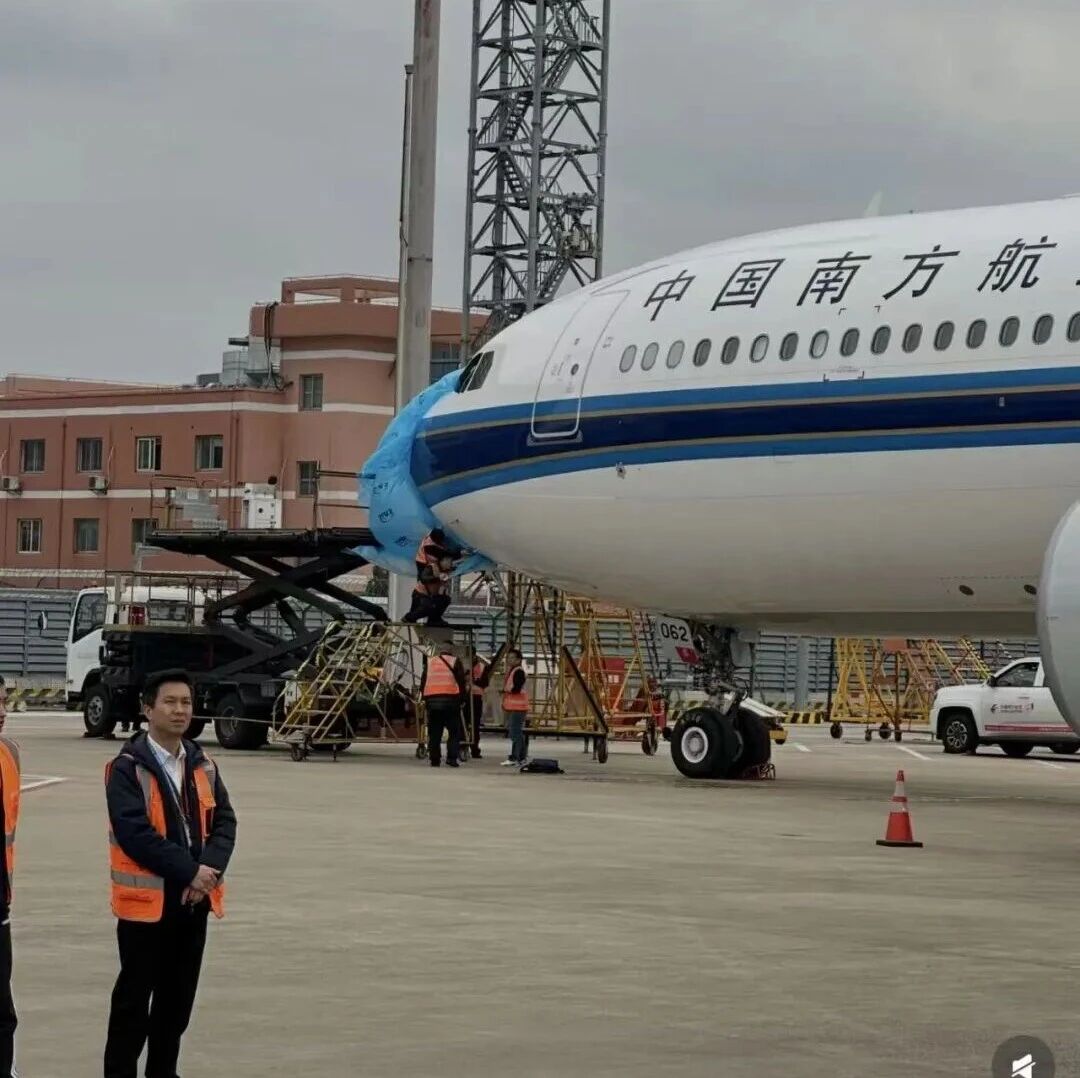
南航刚刚通报:一上海飞往深圳航班遭遇鸟击
第一财经· 2026-03-21 09:21
Core Viewpoint - The article discusses an incident involving China Southern Airlines flight CZ3554, which experienced a bird strike shortly after takeoff from Shanghai Hongqiao Airport, leading to a return to the departure airport for safety reasons [3][16]. Group 1: Incident Details - Flight CZ3554 took off at 12:44 PM and was scheduled to arrive in Shenzhen at 2:32 PM but returned to Shanghai at 1:06 PM due to a mechanical issue [12]. - Passengers reported prolonged turbulence and a sense of unease during the flight, with the aircraft flying at an altitude of over 800 meters when the announcement was made [5][6]. - The aircraft involved was an Airbus A330-300, registered as B-1062, with an age of 8 years and a typical seating capacity of 270-300, achieving a passenger load factor of 96% for this flight [15]. Group 2: Company Response - China Southern Airlines issued a statement confirming the bird strike incident and emphasized that the crew followed procedures to ensure passenger safety [16]. - The airline expressed apologies for the inconvenience caused to passengers and activated contingency plans to provide support and arrange for another aircraft to continue the flight [16].
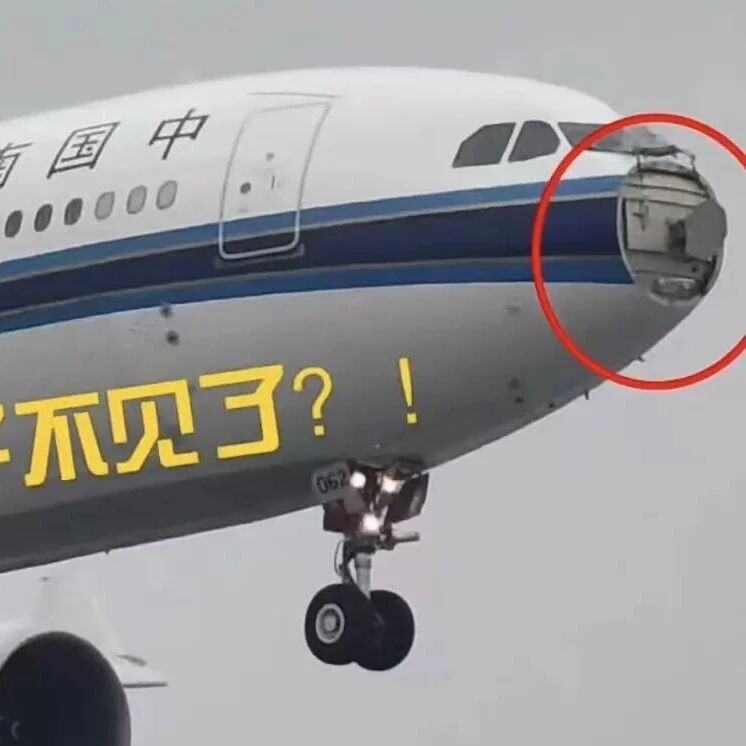
最高翻倍!国内航司集体上调燃油附加费
第一财经· 2026-03-19 02:17
Group 1 - The core viewpoint of the article highlights that several airlines, including China Southern Airlines, are adjusting international flight fuel surcharges due to changes in international fuel prices [1] - China Southern Airlines has announced specific increases in fuel surcharges for various international routes, such as an increase of 100 yuan for flights from China to Southeast Asia, 270 yuan to Australia, 150 yuan to the UAE, 250 yuan for economy class to the US, and 500 yuan for business class to the US [1] - Other airlines like Spring Airlines, Juneyao Airlines, China Eastern Airlines, and Changlong Airlines have also raised their international flight fuel surcharges, with Spring Airlines doubling its surcharge from 180 yuan to 360 yuan for flights from Shanghai to Kuala Lumpur and Penang [1]




交通运输物流行业2026年2月航空数据点评:1-2月旺季供需紧张带动提价,关注票价对高油价传导
Guolian Minsheng Securities· 2026-03-18 13:25
Investment Rating - The report maintains a "Buy" rating for the major airlines, including China National Aviation (China Southern Airlines, China Eastern Airlines, and Spring Airlines) [2][7]. Core Insights - The air transport industry is experiencing a tight supply-demand situation leading to price increases, with domestic ticket prices rising by 19.9% year-on-year in February 2026 [10][11]. - The overall capacity growth in the industry has slowed, with domestic capacity growth lagging behind demand growth, resulting in an increase in passenger load factors [10][11]. - International routes are showing strong recovery, with a year-on-year increase in available seat kilometers (ASK) and revenue passenger kilometers (RPK) of 9.0% and 12.4%, respectively, in January-February 2026 [14][17]. Summary by Sections 1. Supply and Demand Dynamics - In January-February 2026, the overall supply growth in the industry slowed, with domestic ASK/RPK increasing by 3.2%/4.7% and a passenger load factor of 86.7%, up 1.3 percentage points year-on-year [10][11]. - The international market is benefiting from strong demand recovery, with international ASK/RPK at 114.3%/115.3% compared to the same period in 2019 [14][17]. 2. Pricing Trends - The industry saw a year-on-year increase in ticket prices, with domestic economy class prices rising by 1.8% and international prices increasing by 14.1% [10][11]. - The report highlights that the rising fuel surcharge due to increased oil prices will likely lead to further increases in ticket prices, testing the elasticity of demand [10][14]. 3. Fleet Management - As of February 2026, the six major listed airlines managed a total of 3,377 aircraft, with a net decrease of 4 aircraft from the previous month [22][29]. - The report notes that China Southern Airlines and China Eastern Airlines had the largest net reductions in fleet size, each losing 2 aircraft [22][29].


航空机场2026年2月数据点评:春运表现良好,中东局势动荡利好中欧直飞航线
Dongxing Securities· 2026-03-18 09:53
Investment Rating - The industry investment rating is "Positive" [6] Core Insights - The Spring Festival travel season in February 2026 showed strong performance, with domestic airlines increasing capacity by approximately 11.4% year-on-year and 7.3% month-on-month, primarily due to the later timing of the Spring Festival compared to 2025 [2][11] - International routes saw a significant year-on-year capacity increase of about 16.5% in February 2026, with a notable rise in passenger load factor exceeding 4 percentage points [3][54] - The recent instability in the Middle East has positively impacted direct flights from China to Europe, leading to increased demand and ticket prices for these routes [3][59] Summary by Sections Domestic Routes - In February 2026, listed companies' domestic route capacity increased by approximately 11.4% year-on-year and 7.3% month-on-month, attributed to the Spring Festival occurring later this year [2][15] - The overall passenger load factor for February 2026 improved by about 0.7 percentage points compared to the same month in 2025, with a more significant month-on-month increase of approximately 2.9 percentage points [35][45] - The combined capacity and load factor metrics indicate a robust demand performance during the Spring Festival travel season [49] International Routes - The international route capacity for listed airlines in February 2026 increased by approximately 16.5% year-on-year, with a slight month-on-month decrease of about 3.2% [3][54] - The passenger load factor for international routes saw a significant year-on-year increase of over 4 percentage points, with a month-on-month rise of 2.8 percentage points [57][58] - The demand for direct flights from China to Europe has surged due to reduced flight options through the Middle East, resulting in higher ticket prices [3][59] Oil Price Impact - The recent rise in oil prices, driven by geopolitical events, has reached nearly $100 per barrel for Brent crude, but its sustainability remains uncertain [4][14] - The negative impact of rising oil prices on airline stock prices has been largely reflected already, suggesting a focus on supply-demand dynamics moving forward [4][14] Investment Recommendations - There is a recommendation to focus on large airlines that are expected to benefit more significantly from the industry's recovery and improved profitability due to constrained supply growth and rising load factors [5][6]

海外航空市场25Q4景气度跟踪:全球航空业需求向好,供应链约束仍存
Shenwan Hongyuan Securities· 2026-03-18 09:22
Investment Rating - The report recommends the aviation sector as a promising investment opportunity due to the current supply constraints and high passenger load factors, indicating a potential golden era for the industry [3][20][26]. Core Insights - Global aviation demand is on the rise, with Q4 2025 showing the highest growth rate of the year at 6.0% year-on-year for passenger turnover (RPK) [3][6]. - The overall capacity (ASK) increased by 5.7% in Q4 2025, leading to a slight rise in the overall passenger load factor to 84.0% [3][9]. - The report highlights a K-shaped recovery in the U.S. aviation market, with premium business and international travel rebounding faster than domestic leisure travel [3][67]. Summary by Sections Global Aviation Market Overview - In 2025, global RPK increased by 5.3%, with international RPK growing by 7.1% and domestic RPK by 2.4% [10]. - The overall passenger load factor for the year slightly increased to 83.6%, reflecting a recovery to pre-pandemic levels [10][15]. U.S. Aviation Market Tracking - U.S. airline ticket sales reversed a downward trend starting Q3 2025, with international ticket revenue continuing to grow despite challenges [3][54]. - The four major U.S. airlines showed varied profitability in Q4 2025, with Delta Airlines' net profit increasing by 45%, while American Airlines saw an 83% decline [3][67][75]. European Aviation Market Tracking - The European aviation market saw a steady increase in flight volumes, with Q4 2025 flight numbers recovering to pre-pandemic levels [92][96]. - Ticket prices in Europe showed a slight decline compared to the previous year, indicating competitive pricing pressures [92][99]. Asian Aviation Market Tracking - Major Asian markets continued to show growth, with significant increases in passenger traffic at key airports in Southeast Asia and Japan [3][15]. - The fleet size in several Asia-Pacific markets remains below pre-pandemic levels, with notable growth in India's airline fleet [3][15]. Investment Analysis - The report emphasizes the unprecedented constraints in the aircraft manufacturing supply chain, suggesting that the aviation sector is poised for significant growth [3][20]. - Key recommendations include focusing on major Chinese airlines and global aircraft leasing companies, as well as airports with improving performance [3][20].


1-2月6家航司合计净退出9架飞机;短期油价承压,依然看好中期供需逻辑:航空行业2026年2月数据点评
Huachuang Securities· 2026-03-17 09:14
Investment Rating - The report maintains a "Recommend" rating for the aviation industry, expecting the industry index to outperform the benchmark index by over 5% in the next 3-6 months [11]. Core Insights - The report highlights a positive medium-term supply-demand logic despite short-term pressure on oil prices. It notes that high passenger load factors are expected to drive price elasticity [11]. - The report emphasizes the strong performance of Spring Airlines, which leads in both ASK (Available Seat Kilometers) and RPK (Revenue Passenger Kilometers) growth among domestic airlines [1][2][3][4]. Summary by Sections 1. Airline Data Analysis - In February, the ASK growth rates were led by Spring Airlines (22.8%), followed by China Southern Airlines (14.4%) and Air China (13.8%). RPK growth was also led by Spring Airlines (25.6%) [1]. - Cumulative data for January-February shows Spring Airlines leading in ASK (13.2%) and RPK (15.4%) growth [1]. 2. Domestic Routes - For February, Spring Airlines had the highest ASK growth at 23.9% and RPK growth at 25.5%. Cumulatively, Spring Airlines also led with an ASK growth of 18.4% [2]. 3. International Routes - In February, China Southern Airlines led with an ASK growth of 22.7% and RPK growth of 23.0%. Cumulatively, ASK growth was highest for China Southern Airlines at 16.1% [3]. 4. Regional Routes - Spring Airlines showed the highest ASK growth in February at 39.7% and RPK growth at 45.1%. Cumulatively, Spring Airlines also led with an ASK growth of 40.6% [4]. 5. Load Factor - In February, Spring Airlines had the highest load factor at 93.5%, with a year-on-year increase of 2.1 percentage points. Cumulatively, Spring Airlines also led with a load factor of 92.8% [5]. 6. Fleet Size - As of February 2026, the six listed airlines collectively saw a net exit of 4 aircraft, with a total net exit of 9 aircraft compared to December 2025, reflecting a year-on-year growth of 3% [5].
2026年夏航季民航时刻计划详解:稳中求进,国内控总量、国际促复苏
Shenwan Hongyuan Securities· 2026-03-16 12:30
Investment Rating - The report maintains an "Outperform" rating for the aviation sector, recommending a focus on specific airlines such as China National Aviation, China Eastern Airlines, Spring Airlines, and others [74]. Core Insights - The summer flight schedule for 2026 indicates a controlled domestic capacity and a focus on international market recovery, with domestic flight schedules showing a 3% decrease compared to 2025 but a 19% increase compared to 2019 [3][6]. - The overall daily average flight schedule for domestic airlines is projected at 17,278 flights, reflecting a 1% decrease from 2025 but a 17% increase from 2019 [6]. - Domestic airlines are optimizing their route networks while international flights are expanding to stimulate recovery, with a recovery rate of 86% compared to 2019 levels [6][57]. Summary by Sections Domestic Market - Domestic airlines' average daily passenger flight schedules are expected to be 15,645 flights in 2026, down 3% from 2025 but up 19% from 2019 [4][27]. - The total daily average flight schedules for coordinated airports are projected to be 8,056 flights, remaining stable compared to 2025 and increasing by 21% from 2019 [6][27]. - Major airlines like China National Aviation, China Southern Airlines, and China Eastern Airlines maintain significant market shares in key airports, with respective shares of 75%, 54%, and 49% [7][28]. International Market - The international flight schedules are expected to recover to 98% of 2019 levels, with a daily average of 2,621 flights planned for 2026 [6][57]. - Recovery rates for specific regions show varied performance, with Australia at 88%, North America at 24%, and Southeast Asia at 91% compared to 2019 [57][61]. - Domestic airlines are expected to achieve a recovery rate of 97% for international flights, indicating a strong rebound in international travel demand [61]. Investment Analysis - The report emphasizes the strong certainty in aviation supply logic, with limited fleet growth and resilient demand, particularly driven by visa-free policies boosting international travel [73]. - Recommendations include focusing on the aviation sector and specific airlines, as well as global aircraft leasing companies and airport operators with improving performance [73].
机票买贵了免费退!多家航司发布公告
21世纪经济报道· 2026-03-16 12:15
Core Viewpoint - Major Chinese airlines, including Air China, China Eastern Airlines, and China Southern Airlines, have announced policies to protect passenger rights by offering free ticket refunds in response to price fluctuations [1][7]. Group 1: Air China Policies - Passengers can verify their itinerary and ticket prices through the "Air China" app or mini-program after purchasing tickets. If discrepancies are found, they can report to customer service for a refund of the price difference [2]. - Air China offers a "2+2+2" purchase guarantee, which includes two domestic no-reason refund tickets, two international no-reason refund tickets, and two hours of free or discounted refund rights [2]. Group 2: China Eastern Airlines Policies - Passengers can verify their tickets and prices via the "China Eastern Airlines" app or mini-program. If discrepancies are found, they can report to customer service for a refund of the price difference [4]. - A price fluctuation refund policy allows passengers to request a free refund if they find a lower price for the same ticket within 24 hours of purchase [4]. - The "2-hour full refund" feature allows passengers to request a full refund within two hours of purchase, provided the flight is at least 12 hours away [4]. Group 3: China Southern Airlines Policies - Passengers can verify their itinerary and ticket prices through the "China Southern Airlines" app or mini-program. Discrepancies can be reported for a direct refund of the price difference [6][8]. - If passengers find a lower ticket price within 24 hours of purchase, they can apply for a free refund of the original ticket after purchasing the new ticket [6][8].