
LI AUTO(LI)

Search documents
理想i6延期交付补偿方案出炉:每日600积分 适用于已提车用户
Feng Huang Wang· 2025-11-28 11:52
Core Points - Li Auto has reported disruptions in the production schedule of its Li Xiang i6 model due to fluctuations in the supply of core components [1] - The company is collaborating closely with supply chain partners to accelerate production capacity and aims to complete vehicle deliveries as soon as possible [1] - To address delivery delays caused by the company, affected users will receive compensation at a rate of 600 points per day, equivalent to 60 yuan per day, retroactively applicable to users who have already taken delivery [1] - Li Auto has introduced a tax subsidy plan for the Li Xiang i6, allowing users to benefit from a tax subsidy if invoicing and delivery are completed by 2026 due to company-related reasons [1] - The subsidy will be provided through cash reductions on the final payment, offsetting the corresponding tax difference based on the vehicle configuration, ensuring users do not incur additional tax expenses [1] - The Li Xiang i6 pure electric SUV commenced deliveries on September 27 at the company's Changzhou smart manufacturing base, with an official starting price of 249,800 yuan [1]

理想汽车-W(02015):2025年三季度业绩点评:25Q3盈利能力受理想Mega召回扰动,静待新车周期
GUOTAI HAITONG SECURITIES· 2025-11-28 11:36
Investment Rating - The report maintains a "Buy" rating for Li Auto [2][6]. Core Views - Li Auto's profitability in Q3 2025 was impacted by the Mega recall, but the company is expected to benefit from accelerated technology iterations and strong intelligent features [2]. - The revenue forecast for 2025 has been adjusted down to 111.68 billion RMB, with net profit forecasted at 1.704 billion RMB [10]. - The company is transitioning back to a "startup" management model to adapt to its growth phase and industry environment [10]. Financial Summary - Total revenue for 2023 is projected at 123.85 billion RMB, with a year-on-year growth of 173.5%. However, a decline of 22.7% is expected in 2025 [4]. - Gross profit for 2023 is estimated at 27.497 billion RMB, with a significant increase of 681.7% year-on-year [4]. - The net profit attributable to shareholders is forecasted to be 11.704 billion RMB in 2023, but is expected to drop to 1.704 billion RMB in 2025, reflecting a decrease of 78.8% [4]. Market Data - The current stock price is 72.55 HKD, with a market capitalization of 155.321 billion HKD [6][7]. - The stock has a 52-week price range of 68.65 to 128.70 HKD [7]. Delivery and Revenue Expectations - In Q3 2025, the company delivered 93,000 vehicles, a decrease of 39% year-on-year and 16% quarter-on-quarter [10]. - For Q4 2025, vehicle deliveries are expected to be between 100,000 and 110,000 units, representing a year-on-year decline of 31% to 37% [10].
理想汽车CEO李想:未来10年,最有价值的机器人是汽车【附智能网联汽车产业市场分析】
Qian Zhan Wang· 2025-11-28 11:26
Core Insights - The CEO of Li Auto, Li Xiang, stated that the most valuable products in the next decade will be cars with autonomous and proactive capabilities, defining the ultimate form of cars as "embodied intelligent products" or automotive robots [2] - The smart connected vehicle sector has become the core track for the global automotive industry's transformation, integrating cutting-edge technologies such as AI, 5G, big data, and cloud computing, and driving a complete industry chain reconstruction [2] - The market penetration rate of L2-level vehicles in China's passenger car market has increased from 23.5% in 2021 to 42.4% in the first half of 2023, indicating a shift from technology validation to large-scale commercialization [3] Industry Overview - The focus of technological innovation in China's new energy vehicle industry is accelerating towards emerging technologies such as AI, autonomous driving, vehicle networking, and cloud computing [4] - Emerging electric vehicle manufacturers like Li Auto, Tesla, BYD, NIO, and Xpeng are continuously innovating in the smart connected vehicle field, offering high-performance and intelligent electric vehicles [7] - The market size of China's smart connected vehicle industry reached 958.3 billion yuan in 2023, with optimistic expectations for significant growth driven by technology and policy support, potentially exceeding 2 trillion yuan by 2029 [12][13]


小鹏、理想能不能成为中国特斯拉?
Xin Lang Cai Jing· 2025-11-28 11:11
Core Viewpoint - Tesla has transformed from a manufacturing company to a technology company, leveraging its AI capabilities to develop ambitious projects like FSD, Robotaxi, and humanoid robots, resulting in a significantly higher P/E ratio compared to traditional automakers like Toyota [1] Group 1: Transition to Technology Companies - The automotive foundation is essential for supporting AI ambitions, requiring new players to demonstrate sustainable sales and profits to upgrade to technology stock status [3] - Scale leadership serves as a stepping stone, with domestic companies relying more on scale and cost advantages for rapid market penetration rather than solely on technological innovation [3][11] Group 2: Strategic Shifts in New Players - Li Auto's recent earnings call emphasized a strategic shift towards becoming a "embodied intelligence company," indicating a broader vision beyond just automotive products [4] - Xiaopeng Motors is also diversifying its focus, showcasing projects like Robotaxi and flying cars, aiming to integrate AI into physical products [5] Group 3: Financial Performance and Challenges - Li Auto reported a revenue of 27.365 billion yuan in Q3, a year-on-year decline of 36.2%, and adjusted net profit turned to a loss of 360 million yuan due to recall costs [7] - Xiaopeng faced a 1.2 percentage point decline in gross margin to 13.1% in Q3, below market expectations, highlighting the challenges in maintaining profitability [8] Group 4: Competitive Landscape and Differentiation - The automotive market is becoming increasingly homogeneous, making it crucial for new players to establish differentiated competitive barriers to sustain profit margins [9] - Both Li Auto and Xiaopeng have seen their differentiation advantages diminish as competition intensifies, necessitating a focus on unique product offerings [9][10] Group 5: Commercialization and Market Strategy - Achieving scale is likely a necessary condition for Li Auto and Xiaopeng to transition into technology stocks, as the domestic market favors rapid penetration through scale and cost advantages [11][13] - The path to monetization in the domestic market is more certain through scale effects rather than software services, which face significant challenges [12]


三安碳化硅,成功上车
半导体芯闻· 2025-11-28 10:46
Core Viewpoint - The successful launch of Hunan Sanan's silicon carbide (SiC) chips marks a significant milestone in the collaboration with Li Auto, indicating a new phase of deep and large-scale cooperation in the electric vehicle sector [1][2]. Group 1: Hunan Sanan's Achievements - Hunan Sanan's SiC chips have gained market recognition for their performance, reliability, and mass delivery capabilities, showcasing the company's vertical integration model's advantages in ensuring product quality and supply chain stability [1]. - The company aims to continue its development strategy focused on "automotive-grade, platform-based, high efficiency, and fully autonomous" solutions, providing advanced power semiconductor solutions for leading companies like Li Auto [1][3]. Group 2: Li Auto's Perspective - Li Auto's Vice President of Powertrain R&D, Dr. Liu Qiang, emphasized that the collaboration with Hunan Sanan is a critical step in the strategic layout of their core electric drive system supply chain, providing solid technical support for the development and rapid iteration of their pure electric models [2]. - The partnership is expected to deepen further, exploring cutting-edge technology applications to drive innovation and transformation in the electric vehicle industry [2]. Group 3: Future Plans and Goals - Hunan Sanan plans to increase R&D investment in automotive-grade SiC MOSFET and GaN manufacturing service platforms over the next three to five years, aiming to enhance the capacity and yield of its 8-inch production line [3]. - The successful integration of SiC chips is seen as a significant delivery milestone and the beginning of a new journey towards achieving the vision of becoming a well-known semiconductor R&D, manufacturing, and service platform [3].


理想汽车前三季度营收835亿元 纯电业务强劲“起跑”AI快速推进
Zheng Quan Ri Bao Wang· 2025-11-28 10:40
Core Insights - Li Auto reported a revenue of 27.4 billion yuan for Q3 2025, with a total revenue of 83.5 billion yuan for the first three quarters, leading the "new force" car manufacturers [1] - The company has successfully expanded its pure electric vehicle lineup with the launch of the Li i8 and Li i6, achieving over 100,000 total orders [2] - Li Auto is focusing on AI and embodied intelligence technology to drive future growth, with a projected R&D expenditure of 12 billion yuan in 2025 [4][5] Financial Performance - In Q3 2025, Li Auto achieved a revenue of 27.4 billion yuan, contributing to a total of 83.5 billion yuan for the first three quarters [1] - The company has a cash reserve of 98.9 billion yuan as of the end of September, providing a strong financial foundation for ongoing investments [4] Product Development - The launch of the Li i8 and Li i6 has allowed Li Auto to cover mainstream and high-end family electric vehicle markets, establishing a solid foundation for long-term growth [3] - The Li i8 is the company's first pure electric six-seat SUV, while the Li i6 targets younger consumers as a new five-seat electric SUV [2] Market Strategy - Li Auto is expanding its self-built 5C supercharging network, which has surpassed 3,500 stations as of October, to enhance charging services for its electric products [2] - The company is adopting a dual-supplier model for the Li i6 battery supply to address production capacity challenges, with expectations to increase monthly production to 20,000 units by early next year [2] AI and Technology Investment - Li Auto is investing heavily in AI and embodied intelligence, with over 6 billion yuan allocated to AI research in 2025 [4][5] - The company has opened its self-developed intelligent vehicle operating system, "Star Ring OS," with over 55 potential partners and 16 signed agreements to foster innovation in the industry [4] Future Outlook - Li Auto's CEO expressed confidence in transforming user experiences through embodied intelligence, positioning the company for significant revenue growth in the coming years [5] - Industry experts believe that Li Auto's focus on AI technology and its established brand recognition will facilitate its transition from a range-extended vehicle leader to a strong player in the pure electric market [3][5]
理想回归创始人模式 新周期押注具身智能
Mei Ri Jing Ji Xin Wen· 2025-11-28 10:35
Core Viewpoint - The company is returning to a founder-led management model to better adapt to the challenges posed by new technologies and the competitive landscape in the AI era [1][3]. Group 1: Management Strategy - The chairman of the company, Li Xiang, announced a shift back to a startup management model starting in Q4, emphasizing the importance of founder involvement for strategic decision-making and implementation [1][3]. - The company has undergone multiple organizational adjustments in 2023, including integrating sales and service under the president and placing talent management directly under the founder's leadership [3][4]. - Li Xiang highlighted that many successful companies, such as Nvidia and Tesla, still operate under a startup management model, suggesting that this approach is effective for maintaining strategic coherence and agility [3][4]. Group 2: Vision and Goals - The company's vision has evolved to become a leading global AI terminal enterprise, with a target to excel in the field of embodied intelligence over the next 3 to 5 years [1][6]. - Li Xiang emphasized the need to address fundamental questions about product and technology direction, focusing on developing embodied intelligent products that can significantly enhance user experiences [7][10]. Group 3: Technological Development - The company is making significant investments in AI, with over 50% of its R&D budget allocated to this area, supported by a cash reserve of 98.9 billion [9][10]. - The company has achieved notable advancements in AI models, chips, and operating systems, including the launch of the MindVLA model and the development of its self-developed AI chip, M100, expected to be implemented in vehicles next year [9][10]. - The company plans to release its first smart glasses in December, marking a strategic move into the embodied intelligence sector [9][10].
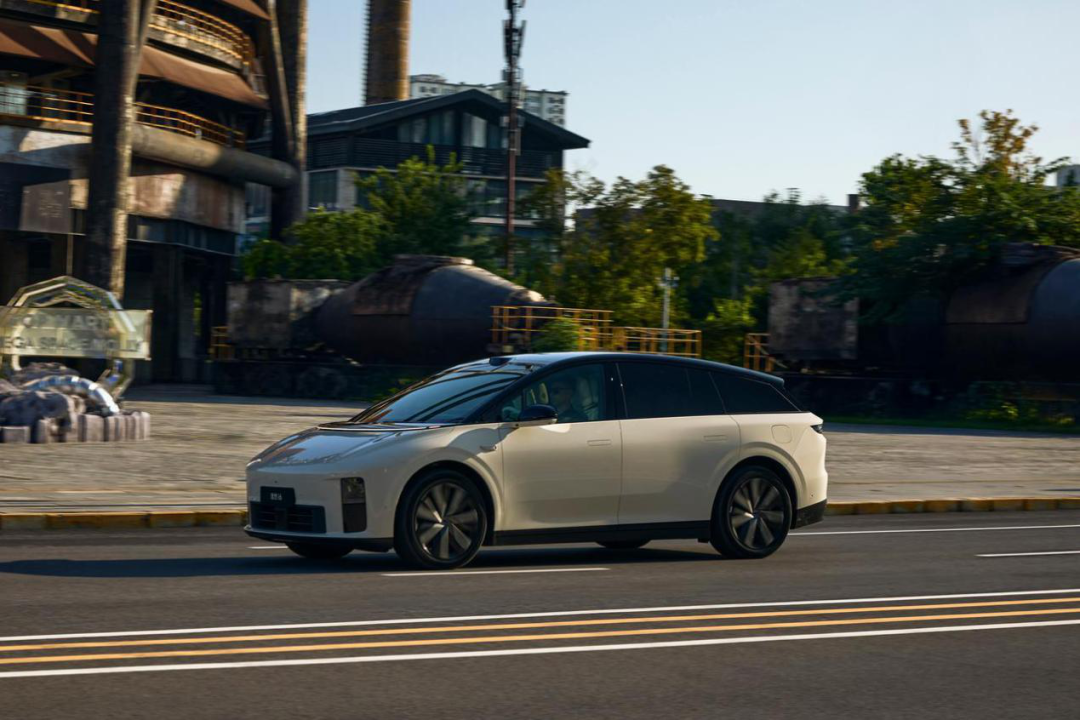
李想反思:重新回归业务一线,未来要做具身智能表现最好的企业
21世纪经济报道· 2025-11-28 10:27
Core Viewpoint - Li Auto reported a transition from profit to loss in Q3, delivering 92,000 vehicles with a revenue of RMB 27.4 billion and a net loss of RMB 600 million, ending an 11-quarter profit streak. The decline in deliveries and revenue was attributed to the recall of the MEGA model, which incurred significant costs [1][2]. Financial Performance - In Q3, Li Auto's gross margin decreased by 4 percentage points to 16.3%, with vehicle gross margin at 15.5%. Excluding the recall costs, the gross margin would have been 20.4%, indicating stability above 19% [1][2]. - The recall of over 11,000 MEGA vehicles cost approximately RMB 1.1 billion, averaging RMB 110,000 per vehicle, marking the company's first large-scale recall [2][3]. Strategic Direction - CEO Li Xiang emphasized a commitment to becoming a leader in embodied intelligence within 3-5 years, indicating a shift back to a startup management style to enhance agility and innovation [1][7]. - The company plans to focus on user value, efficiency, and identifying key issues rather than creating information asymmetry, reflecting a strategic pivot towards a more user-centric approach [8][9]. Research and Development - Li Auto maintained high R&D investment, with Q3 expenses reaching RMB 3 billion and an expected annual total of RMB 12 billion, over half of which is allocated to artificial intelligence [3][10]. - The self-developed M100 chip is aimed at addressing the challenges of embodied intelligence, with expectations for significant performance improvements in user experience [10][11]. Future Goals - For 2026, Li Auto aims to successfully integrate the M100 chip into its vehicles, enhance the L series to regain market leadership in range-extended products, and expand its supercharging network to improve user charging experiences [10][11][12]. - The company is also focused on deepening its electric vehicle technology and increasing the number of supercharging stations to enhance customer convenience [11][12].
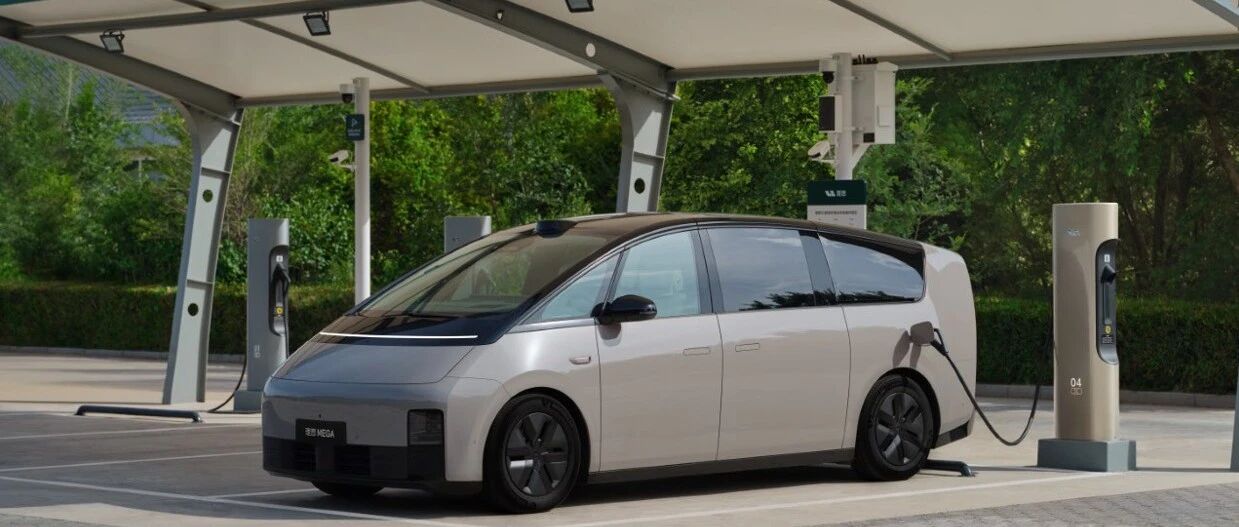
李想,杀回理想
虎嗅APP· 2025-11-28 09:55
Core Viewpoint - The article discusses the transition of the Chinese electric vehicle (EV) industry from the first phase of growth, characterized by range extension and user experience, to a new phase focused on AI, smart driving, and intelligent vehicles. The company Li Auto is highlighted for adopting a "founder model" to navigate this shift and enhance its organizational efficiency and product development [2][3][4]. Group 1: Industry Transition - The first phase of competition in the Chinese EV market relied on momentum, range extension, and user experience, while the second phase will focus on pure electric vehicles, smart technology, and AI-driven cars [6]. - Li Auto's Q3 financial report signals a shift from a successful past to a more competitive future, emphasizing the need for a new operational model to thrive in the evolving landscape [6][12]. - The company is entering a new technological cycle, which requires a reevaluation of its strategies and operational frameworks to maintain competitiveness [4][5]. Group 2: Li Auto's Strategic Shift - Li Auto is actively restructuring itself, moving away from a "professional manager" governance model to a "founder model," which emphasizes direct involvement from the founder in decision-making and strategic direction [5][8]. - The founder model is not merely about the founder's presence but represents a comprehensive methodology that aligns the company's operations with its long-term vision [8][9]. - The company is focusing on a three to five-year product roadmap, which will guide its research, supply chain, manufacturing, and marketing efforts, ensuring a cohesive approach to product development [8][9]. Group 3: Future Outlook - Li Auto's management has indicated that 2026 will be a critical year for the launch of new AI systems and products, with significant advancements expected in battery technology and charging infrastructure [5][12]. - The company aims to transition from a product-driven growth model to a technology-driven approach, emphasizing the importance of AI and smart technology in future product offerings [5][12]. - The success of Li Auto in the new competitive landscape will depend on its ability to effectively implement its organizational changes and technological advancements [12][13].
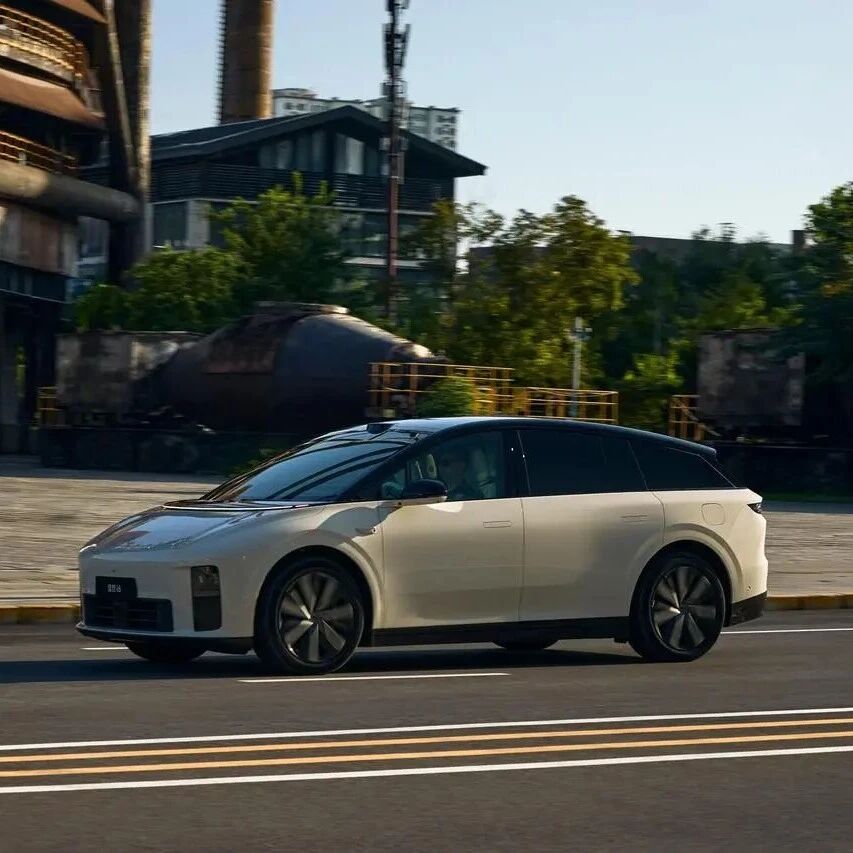
自主驶入/驶出超充站、防御性AES等,理想汽车将推多项更新
Guan Cha Zhe Wang· 2025-11-28 09:44
Core Insights - Li Auto plans to enhance its AD Max model with innovative VLA charging and defensive AES automatic emergency steering features, while also introducing urban NOA functionality to the upgraded AD Pro model [1][2] Group 1: VLA Charging and AES Features - The VLA charging feature allows vehicles to autonomously navigate to Li Auto's supercharging stations, automatically find available charging spots, and complete parking and payment processes without user intervention [2] - The VLA charging function is set to cover over 1,400 Li Auto supercharging stations by January 2026, with plans to expand to over 2,400 stations by February and over 2,900 by March [2] - The AES automatic emergency steering feature will be fully rolled out to AD Max users, evolving from active collision avoidance to passive collision defense, helping users avoid various dangerous scenarios [2] Group 2: User Experience and Market Position - The VLA driver model has achieved over 312 million kilometers in driving distance, with a 2.2 times increase in mileage penetration and a threefold increase in daily active usage [1][2] - The focus on enhancing user experience in parking and safety reflects a trend among leading new energy vehicle manufacturers to refine their autonomous driving capabilities [3]