巨子生物

Search documents
两大原料巨头冲刺IPO,美越关税落地利好出口板块情绪修复
SINOLINK SECURITIES· 2025-07-06 07:50
Investment Rating - The report indicates a positive sentiment towards the beauty and personal care sector, particularly driven by the upcoming IPOs of two major raw material companies, Weiqi Technology and Jiakai Biological [2][17]. Core Insights - The IPOs of Weiqi Technology and Jiakai Biological are expected to inject new momentum into the beauty raw materials market and enhance competitiveness within the sector [2][17]. - The recent U.S.-Vietnam tariff agreement is seen as beneficial for the export sector, particularly for textile manufacturing companies that have established production capacities in Vietnam [3][18]. - The retail performance in the apparel sector showed improvement in May, with a year-on-year growth of 4.0%, attributed to favorable weather and promotional events [4][20]. Summary by Sections Section 1: IPOs and Market Dynamics - Weiqi Technology and Jiakai Biological have submitted their IPO applications, with Weiqi holding a 6.6% market share in China's peptide raw materials industry, making it a leader in the sector [2][12][17]. - Jiakai focuses on plant-based and microbial fermentation raw materials, with a strong portfolio of products aimed at various cosmetic functions [11][14]. Section 2: Tariff Implications - The U.S. has agreed to impose a 20% tariff on goods imported from Vietnam, which is lower than previously anticipated, thus reducing the downside risk for companies in the textile sector [3][18]. - The textile manufacturing sector is expected to recover as the tariff situation stabilizes, with many companies already positioned in Vietnam [19]. Section 3: Industry Data Tracking - The apparel retail sector showed a month-on-month improvement in May, with a notable increase in consumer spending driven by seasonal factors and promotional activities [4][20]. - Raw material prices remained stable, with cotton prices showing slight fluctuations, indicating a relatively stable supply chain environment [21][22]. Section 4: Investment Recommendations - The report recommends investing in apparel brands like Hailan Home, which is adapting to consumer trends and has strong profitability potential [39]. - In the beauty sector, companies like Juzhi Biological and Jinbo Biological are highlighted for their resilience and upcoming product launches [5][39]. - The gold and jewelry sector remains attractive due to rising gold prices, with strong recommendations for brands like Laopu Gold [5][39]. Section 5: Market Performance Review - The textile and apparel sector saw a weekly increase of 1.36%, ranking 11th among 29 industry sectors, indicating a positive market sentiment [6][40]. - Key performers in the textile sector included Jihua International and Jiangnan Buyi, while the beauty sector faced mixed results with some companies experiencing declines [6][45]. Section 6: Industry News and Trends - The report notes significant growth in the beauty category on platforms like Douyin, with a total GMV exceeding 20 billion yuan in June, showcasing the strength of domestic brands [48].
陕西,诞生一只百亿级科创母基金
Sou Hu Cai Jing· 2025-07-04 14:35
Core Insights - The transformation of "Qin Chuang Yuan Development Co., Ltd." to "Qin Chuang Yuan Technology Innovation Investment Co., Ltd." signals a significant restructuring of the Shaanxi innovation and financial system [1] - The launch of a provincial-level science and technology mother fund with an initial scale of 10 billion yuan marks the comprehensive initiation of the "three reforms" in Shaanxi's technology finance [1][13] - The transfer of shares from Shaanxi Investment Group to Chang'an Huitong Group emphasizes the strengthening of the synergy between state-owned capital operations and technology innovation investments [1][11] Group 1: Regional Innovation and Resources - Shaanxi boasts rich resources from top universities and research institutions, serving as a crucial source for "hard technology" companies [2] - The province ranks high in patent authorizations and technology contract transaction volumes, with a technology activity output level placing it fourth nationally [3] - However, the local conversion rate of technological achievements remains lower compared to developed regions, with only 38% of technology contracts being converted locally [3][4] Group 2: Financial Ecosystem and Investment Strategies - The need for long-term and patient capital is highlighted as essential for enhancing the technology finance ecosystem in Shaanxi [6] - The establishment of a 30 billion yuan "Qin Chuang Yuan Fund Matrix" aims to guide state-owned capital towards early-stage investments in hard technology [13][15] - The new fund will operate alongside existing funds to create a comprehensive investment system covering all stages from seed to acquisition [15] Group 3: Role of State-Owned Capital - Chang'an Huitong, as a state-owned capital operation company, plays a pivotal role in integrating resources and supporting local enterprises [8][11] - The company has previously facilitated the listing of provincial enterprises and has established 19 funds with a total subscription scale of 21.4 billion yuan [9] - The shift in the role of state-owned funds from supplementary to primary investors in the venture capital market reflects the changing dynamics in investment strategies [12] Group 4: Future Directions and Goals - The focus of the Qin Chuang Yuan Company is to bridge the gap between technological supply and industrial demand, aiming to foster local application of scientific achievements [17] - The company plans to utilize its own funds for direct investments in high-growth technology firms and to support mergers and acquisitions [17] - The overarching goal is to cultivate world-class technology enterprises in Shaanxi by selecting projects and making precise investments [17]


首富钟睒睒,34亿押宝“胶原蛋白第一股”
Sou Hu Cai Jing· 2025-07-04 03:00
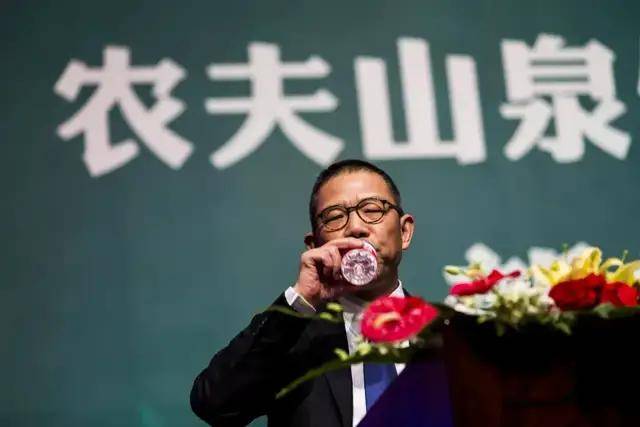
Group 1 - The core event involves the investment of 3.4 billion yuan by Zhong Shanshan, the richest man in China, into Jinbo Biological, making him the second-largest shareholder [2] - Jinbo Biological announced plans to raise 2 billion yuan by issuing shares to Yang Xia, the actual controller, who will transfer shares worth 1.403 billion yuan to Hangzhou Jiushi, both controlled by Zhong Shanshan [2][6] - The investment comes amid declining performance for Zhong's companies, Nongfu Spring and Wantai Biological, which faced significant revenue and profit drops in 2024 [4][5] Group 2 - The Chinese recombinant collagen market is projected to grow rapidly, reaching 58.57 billion yuan by 2025, with a compound annual growth rate of 44.93% until 2030 [6] - Jinbo Biological is unique in the market, being the only company with a full range of products including freeze-dried fibers and injectable recombinant collagen, and has shown impressive growth from 233 million yuan in revenue in 2021 to 1.443 billion yuan in 2024 [7] - The company's gross profit margin has increased from 82.29% to 92.02%, surpassing that of Guizhou Moutai, earning it the nickname "the Moutai for women" [7][8] Group 3 - Jinbo Biological's sales of medical devices reached 1.254 billion yuan in 2024, a growth of 84.37%, with its flagship product contributing over 1 billion yuan in revenue [7] - The partnership is seen as a strategic move for both parties, with Jinbo seeking to leverage Zhong's extensive retail network of over 3 million outlets to expand its market reach [8][9] - The collaboration is viewed as a potentially win-win situation, although the long-term outcomes remain to be seen [9]
逾30亿元投资锦波生物,钟睒睒布局千亿重组胶原蛋白市场
Xin Jing Bao· 2025-07-04 02:31
Core Viewpoint - The strategic investment actions by Jinbo Biotechnology have attracted significant attention, particularly due to the involvement of Zhong Shanshan, China's richest man, who is investing a total of 34.03 billion yuan through his companies [1][2]. Group 1: Investment Details - Jinbo Biotechnology will issue shares to Yangshengtang Co., Ltd., representing 6.24% of its total shares before the issuance, with a financing amount not exceeding 2 billion yuan [2]. - The share transfer agreement between Jinbo's controlling shareholder Yang Xia and Hangzhou Jiushi involves the transfer of 5,753,267 shares at a price of 243.84 yuan per share, totaling 1.403 billion yuan [2][3]. - After the transfer, Yang Xia will hold 50.73% of Jinbo, while Hangzhou Jiushi and Yangshengtang will hold 4.71% and 5.87%, respectively, making Zhong Shanshan the second-largest shareholder of Jinbo with 10.58% ownership [3]. Group 2: Company Overview - Jinbo Biotechnology focuses on the research, development, production, and sales of high-end implantable medical devices made from recombinant human collagen, primarily used in aesthetic medicine and skin repair [4]. - The company achieved significant revenue growth, with sales increasing from 233 million yuan in 2021 to 1.443 billion yuan in 2024, and net profit rising from 57.39 million yuan to 732 million yuan during the same period, reflecting a year-on-year growth rate of over 79% [4]. Group 3: Market Potential - The collaboration between Jinbo and Yangshengtang is expected to leverage their respective strengths in large-scale industrial production and market channel development, addressing the urgent need for a comprehensive production and sales system [5]. - The market for collagen-based skin care products is projected to surpass that of hyaluronic acid by 2026, with the overall market size for collagen in China expected to reach 173.8 billion yuan by 2027, of which recombinant collagen products will account for 1.083 billion yuan, representing 62.3% of the market [5].
新刊+补货 | 深扒「二手经济」真相+《公司的秘密6》紧急补货
第一财经· 2025-07-03 14:31
Group 1 - The core viewpoint of the article emphasizes the significance of the "second-hand economy" as a vital component of a sustainable consumption society, integrating environmental protection and cultural demands [1] - The article highlights various topics related to the second-hand market, including the success of platforms like Xianyu, the challenges in the used car business, and the cultural acceptance of vintage clothing in Japan [7][10] - The publication also features a report titled "The Twilight of Idols," discussing how companies like Disney, Lululemon, Alphabet, Toyota, Pinduoduo, and Meituan have faced declines or managed to turn around their fortunes [10] Group 2 - The article mentions the rapid turnover of the magazine's research reports, indicating high demand and the need for reprints, particularly for the series "The Secrets of Companies" [9] - It emphasizes the importance of data visualization and storytelling in understanding company performance, market share changes, and business transformations [12][17] - The publication aims to provide clear and accessible insights into business strategies, focusing on survival tactics rather than just success stories [17]

人货场重构消费生态,聚焦新消费机遇
HTSC· 2025-07-03 12:27
Group 1 - The consumer industry is undergoing a profound transformation from scale expansion to quality upgrading, driven by policy incentives, technological iterations, and changes in consumer preferences and habits [1][14]. - The new consumer groups represented by Generation Z, the elderly, and women are pushing consumption demand towards personalization and quality [1][17]. - Domestic brands are experiencing sustained growth, with sensory experiences becoming the core touchpoint linking consumers and products [1][29]. Group 2 - The importance of domestic demand has been reaffirmed, with a shift in focus from short-term demand stimulation to systematically enhancing consumer willingness, supported by policies such as employment and entrepreneurship initiatives [2][50]. - From January to May 2025, the total retail sales of consumer goods increased by 5.0% year-on-year, indicating a recovery in domestic demand [2]. Group 3 - Four major consumption trends are identified: the rise of domestic brands, emotional consumption, the silver economy, and AI+ consumption [3][4]. - The silver economy is driven by an aging population, with the proportion of individuals aged 65 and above exceeding 14% in 2021, and expected to surpass 30% by 2035 [21][23]. - Emotional consumption is characterized by a shift from functional to self-rewarding and social value, with consumers willing to pay for emotional value [3][20]. Group 4 - The report recommends focusing on structural opportunities in the consumer sector, highlighting four core investment themes: the rise of domestic brands, high-growth emotional consumption, the burgeoning silver economy, and AI+ consumption [4][18]. - Specific companies are recommended for investment, including domestic brands like Lao Pu Gold, Shangmei Co., and Midea, as well as emotional consumption leaders like Pop Mart and Heytea [5][4]. Group 5 - The integration of AI into the consumer chain is emphasized, with a focus on companies that demonstrate strong product innovation capabilities [3][4]. - The rise of online sales driven by live streaming and e-commerce is reshaping the retail landscape, with online retail sales reaching 6.0 billion in the first five months of 2025, reflecting an 8.5% year-on-year growth [41][40]. Group 6 - The sensory experience is becoming a core value of brands, with consumers increasingly demanding high-quality sensory interactions [32][39]. - The marketing landscape is shifting towards decentralized models, with KOL and KOC marketing gaining prominence, allowing brands to achieve precise targeting and higher ROI [49][40].
风波中的可复美:囤货积压、达人离场
经济观察报· 2025-07-03 10:52
Core Viewpoint - The article discusses the significant decline in sales of the collagen product "可复美胶原棒2.0" from 巨子生物 (Juzi Biological) due to quality concerns raised by external parties, leading to a 60% to 70% drop in orders for individual distributors like 李吉 [1][5][11]. Group 1: Sales Performance and Market Impact - Sales of 可复美胶原棒2.0 have plummeted, with 李吉 reporting that he could sell 200 boxes a day before the controversy, but now only a few boxes per week [1][5][11]. - The product's sales during the critical "6·18" shopping festival saw a decline, marking the first drop in rankings for 可复美 in three years [7][19]. - The overall GMV for 可复美 during "6·18" was significantly lower than in previous years, with sales post-May 24 contributing only 29.2% of the total [18][19]. Group 2: Company Background and Financials - 巨子生物's revenue from 可复美 in 2024 is projected to be 45.4 billion yuan, accounting for 82% of the company's total revenue [3]. - The company has maintained a strong growth trajectory, with a compound annual growth rate of 52.8% in revenue from 2022 to 2024 [23]. - Despite the recent challenges, the management has stated that they will maintain their performance targets for 2025 [8][22]. Group 3: Market Reactions and Future Outlook - The controversy has led to a reduction in the number of influencers promoting 可复美, with a 32% decrease in the number of key opinion leaders during "6·18" compared to previous years [16]. - 李吉 and other distributors are currently in a wait-and-see mode, monitoring the situation and considering diversifying their product offerings [29]. - 巨子生物's stock has experienced volatility, with significant share buybacks by its major shareholder following the price drop [29][30].

风波中的可复美:渠道商的囤货卖不出去了
Jing Ji Guan Cha Wang· 2025-07-03 08:43
Core Viewpoint - The article discusses the significant decline in sales of the skincare product "可复美胶原棒2.0" (Kefumei Collagen Stick 2.0) due to quality concerns raised by external parties, leading to a broader impact on the parent company, 巨子生物控股有限公司 (Juzi Biotech) [2][3][4]. Sales Performance - Sales of the Kefumei Collagen Stick 2.0 have dropped by 60% to 70% compared to April 2023, severely affecting individual distributors like 李吉 (Li Ji) [3][5]. - The product's price has fallen from 178 yuan to 150 yuan per box, resulting in losses for distributors who had previously stocked up at higher prices [5][11]. - The company's performance during the "6·18" sales event saw a decline in rankings and sales, marking the first time in three years that it did not disclose sales data for this period [4][9][10]. Market Impact - The controversy began with a report from a beauty influencer questioning the collagen content in the product, which led to a significant drop in consumer trust and sales [5][6]. - The number of influencers promoting the product decreased by 32% during the "6·18" period compared to the previous year, indicating a shift in marketing dynamics [7][9]. Company Response - 巨子生物 acknowledged the limitations of its quality standards and testing methods in a public statement, indicating a need for improvement [6][10]. - Despite the challenges, the company maintains its revenue targets for 2025 and expresses confidence in recovering from the losses incurred during the sales event [4][10]. Financial Overview - 巨子生物 reported a compound annual growth rate of 52.8% in revenue from 2022 to 2024, with a net profit growth rate of 43.5% [10][12]. - The company’s stock price has seen fluctuations, dropping nearly 40% since May 24, but showed a slight recovery following announcements of share buybacks by its major shareholder [13][14].

近60起,美妆投融资热潮来了!
Sou Hu Cai Jing· 2025-07-03 07:12
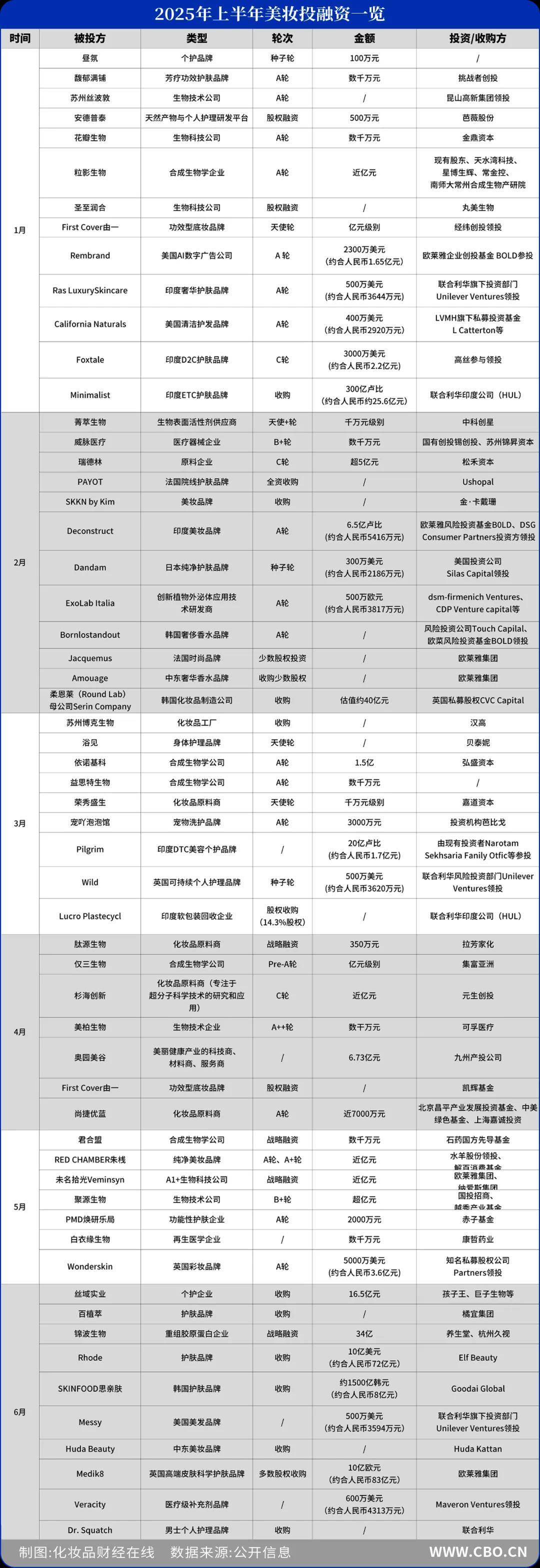
Core Insights - The beauty industry is experiencing significant activity in mergers and acquisitions, with notable transactions such as Unilever's acquisition of Dr. Squatch and the investment by Zhong Shanshan in Jinbo Biotechnology [1][12] - International giants like Unilever and L'Oréal are leading the charge in strategic mergers to enhance their brand portfolios and technological capabilities, particularly in emerging markets like India and the Middle East [1][10][12] - The trend of high-value transactions is evident, with 21 deals exceeding 100 million yuan and 6 deals over 1 billion yuan, highlighting the industry's robust investment landscape [1][12] Investment Trends - There were 58 beauty-related investment activities in the first half of the year, including 14 acquisitions, indicating a vibrant investment climate [1][12] - The focus on synthetic biology and biotechnology continues to attract capital, with companies in these sectors receiving significant funding [3][24] - The investment landscape is characterized by early-stage financing, with seed, angel, and A-round investments being predominant [12][24] Regional Focus - India, South Korea, and the Middle East are emerging as key markets for international capital, driven by their rapid growth and unique consumer preferences [12][13][17] - The Middle East beauty market is projected to grow significantly, with a current market size of $40 billion expected to exceed $60 billion by 2025 [15][17] - South Korea is becoming a major supplier of beauty products to the U.S. and Japan, with a market share of 22.2% in the U.S. [15] Company Strategies - Unilever is focusing on expanding its brand matrix in personal care and skincare, with recent acquisitions aimed at entering high-growth segments [8][10] - L'Oréal is investing in technology-driven companies and high-end brands, such as the acquisition of Medik8 for 1 billion euros, to strengthen its position in the skincare sector [10][12] - Domestic companies like Water Sheep and Betaini are actively participating in industry chain investments and acquisitions, indicating a trend towards ecosystem enhancement [12][24] Market Dynamics - The demand for functional and effective products is driving investment in brands that offer clear positioning and innovative solutions [24][26] - Emotional value and consumer experience are becoming critical factors in investment decisions, with brands that provide significant emotional engagement attracting capital [21][24] - The rise of niche markets and specific application scenarios is also influencing early-stage financing, as companies seek to address unique consumer needs [23][24]

蹲点调查|探寻透明质酸产业发展的“第二增长曲线”
Da Zhong Ri Bao· 2025-07-03 05:47
Group 1 - The Shandong provincial government has implemented a plan to boost consumption, focusing on six key tasks and 20 specific measures, including the enhancement of health consumption and the development of health-related industries such as health tourism and biomedicine [2] - The hyaluronic acid industry in Shandong, led by companies like Huaxi Bio and Furuida, has formed a trillion-level industrial cluster, responding to rapidly changing consumer aesthetics and demands [2][14] - Huaxi Bio has emphasized the importance of establishing scientific and unified testing standards for the industry, following a public dispute with competitor Juzhi Bio regarding product quality and testing methods [3][6] Group 2 - The competition between Huaxi Bio and Juzhi Bio has highlighted the challenges in the hyaluronic acid market, with Huaxi Bio accusing Juzhi Bio of misleading research that undermines the hyaluronic acid industry [6][8] - Despite the ongoing competition, the hyaluronic acid market is experiencing a decline in product prices, with some high-end products dropping to as low as 10% of their previous prices [9][10] - The three major players in the hyaluronic acid sector, including Huaxi Bio, have reported negative growth in revenue and net profit in recent quarters, contrasting with the strong performance of companies in the recombinant collagen sector [10][11] Group 3 - Huaxi Bio has maintained a leading position in the global hyaluronic acid market, holding a 44% share of global sales in 2021 and actively participating in the development of industry standards [16] - The company is undergoing a strategic upgrade, investing over 100 million yuan in innovative business areas such as regenerative medicine and nutritional science [16] - Furuida is also expanding into the recombinant collagen market, recognizing the need for transformation and innovation in response to industry pressures [19][20] Group 4 - Experts suggest that the hyaluronic acid industry has reached maturity and needs to explore a "second growth curve" to maintain competitiveness and sustainable development [21] - The relationship between hyaluronic acid and collagen is viewed as complementary rather than competitive, with both having unique advantages in various applications [20] - The industry is focusing on developing new business models and products that align with consumer health trends, including functional foods and personalized raw materials [19][20]