极氪

Search documents
计算机行业:腾讯上新 3D 生成模型 Hunyuan3D-PolyGen,马斯克发布 Grok 4
SINOLINK SECURITIES· 2025-07-13 09:17
Investment Rating - The report suggests a focus on leading domestic generative large model companies such as iFLYTEK, and highlights potential in AI hardware applications with recommendations for companies like Yingshi Network, Hongsoft Technology, and Hesai [2] Core Insights - The report emphasizes that the AI industry is currently in a relatively chaotic fundamental period, with some high-frequency data showing resilience, while investor expectations remain low. The willingness to use AI products is increasing, but payment capabilities are still limited, necessitating further breakthroughs in large models [11][12] - It identifies high-growth sectors for 2025, including AI computing power and lidar, while noting that AI applications are accelerating upward. Stable growth is expected in software outsourcing, financial IT, quantum computing, data elements, EDA, and overseas expansion [11][12] Summary by Sections Industry Perspective - The report discusses the launch of Tencent's 3D generative model Hunyuan3D-PolyGen, which can generate complex geometric models with thousands of faces, and highlights the advancements of Musk's Grok 4 model, which has shown significant improvements in training efficiency [11] - It notes that the computer industry is expected to perform better in the second half of the year due to base effects, new technology/product launches, and policy implementations [11] Subsector Insights - The report categorizes the computer industry into various subsectors with their respective growth outlooks: - High growth maintained: AI computing power, lidar - Accelerating growth: AI applications - Stable growth: Software outsourcing, financial IT, quantum computing, data elements, EDA, overseas expansion, and domestic innovation [10][12] - Turning points: Education IT, cybersecurity, enterprise services - Stabilizing: Smart transportation, government IT, security, construction real estate IT - Slightly pressured: Industrial software, medical IT [10][12] Market Performance Review - From July 7 to July 11, 2025, the computer industry index (Shenwan) rose by 3.22%, outperforming the CSI 300 index by 2.40 percentage points, ranking 6th among 31 Shenwan first-level industry indices [13] Upcoming Key Events - The report highlights upcoming events such as the second AI glasses industry innovation application summit and the 2025 World Artificial Intelligence Conference, suggesting that investors pay attention to related industry chain opportunities [25][26]



“谁能拒绝自己的女朋友长得像刘亦菲?”,警惕汽车“山寨风”再起
第一财经· 2025-07-12 16:24
Core Viewpoint - The article discusses the phenomenon of Chinese automotive brands creating models that closely resemble luxury vehicles, highlighting the success of Xiaomi's SU7 and YU7 as examples of this trend, which is referred to as "luxury car alternatives" [1][2]. Group 1: Market Performance - Xiaomi's SU7 has become a best-selling model in the mid-to-large sedan category, while the newly launched YU7 has surpassed it in popularity, achieving over 240,000 orders within 18 hours [1]. - The competitive landscape is intensifying, with various domestic brands launching models that mimic luxury designs, such as Lynk & Co's Z10 and 900, which have seen varying sales performance [2]. Group 2: Legal and Ethical Considerations - Historical cases of design infringement in the automotive industry show that legal definitions of infringement can be ambiguous, as seen in the outcomes of cases involving Double Ring and Zotye [3][4]. - The article notes that while some companies have faced legal challenges for design similarities, many cases have not resulted in significant consequences, indicating a lenient environment for design imitation [4]. Group 3: Industry Evolution - The automotive industry has a history of "copying" as a means of development, but the article emphasizes that Chinese manufacturers have moved beyond this phase and are now focusing on innovation and self-development [5]. - Despite the current trend of imitating luxury designs, the article warns that relying solely on imitation could hinder the long-term growth and global competitiveness of Chinese automotive brands [5].

新车看点 | 标配华为乾崑智驾ADS 4,岚图FREE+不到22万元起售
Guan Cha Zhe Wang· 2025-07-12 12:54
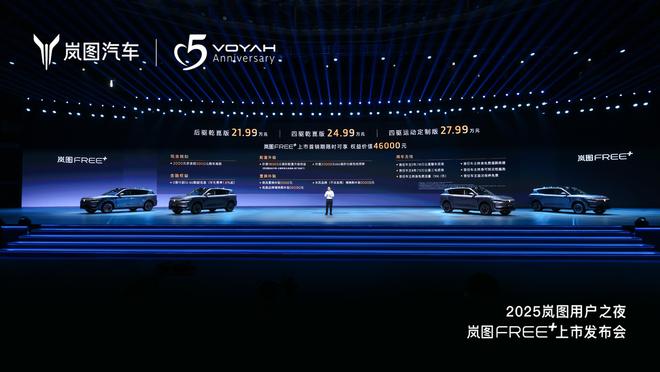
Core Viewpoint - The launch of the Lantu FREE+ marks a significant advancement in the company's product lineup, featuring competitive pricing and advanced technology partnerships with Huawei [1][3][5]. Group 1: Product Launch and Features - Lantu FREE+ was officially launched on July 12, with three models priced between 219,900 and 279,900 yuan, reflecting a 10,000 yuan decrease from the pre-sale price [1]. - The vehicle includes various launch benefits such as a 2,000 yuan deposit offsetting 5,000 yuan, up to 30,000 yuan in trade-in subsidies, and enhanced configurations [1]. - The Lantu FREE+ is a successor to the original Lantu FREE, developed over four years with an investment exceeding 500 million yuan and featuring 1,366 upgrades [3]. Group 2: Technology and Collaboration - The Lantu FREE+ is equipped with Huawei's advanced driving assistance system, ADS 4, and HarmonySpace 5 cockpit system, enhancing user experience with features like P2P parking and VPD 2.0 for valet charging [5][16]. - The collaboration with Huawei has resulted in a significant user base, with over 700,000 active users of Huawei's driving assistance and a total of 3.5 billion kilometers driven using the technology [7]. Group 3: Market Position and Competition - Lantu aims to position the FREE+ as a premium offering in the 200,000 to 300,000 yuan electric SUV market, competing against models like Xiaomi YU7, XPeng G7, and Tesla Model Y [9]. - The vehicle received over 35,000 pre-orders within 18 days and achieved 11,583 orders within the first 15 minutes of its official launch, indicating strong market interest [9]. Group 4: Specifications and Design - The Lantu FREE+ features a distinctive design language and dimensions of 4,915 mm in length, 1,960 mm in width, and 1,660 mm in height, with a wheelbase of 2,960 mm [11]. - Interior features include high-quality materials, advanced comfort configurations, and a comprehensive infotainment system capable of supporting over 50,000 applications [14][16]. - The vehicle's powertrain consists of a 1.5T range extender and electric motor, with options for two-wheel and four-wheel drive, offering a range of 235 km to 190 km depending on the configuration [16][17].
警惕汽车“山寨风”再起|有点逸思
Di Yi Cai Jing· 2025-07-12 09:37
Core Viewpoint - The rise of "big brand alternatives" in the Chinese automotive market, exemplified by models like Xiaomi's SU7 and YU7, raises concerns about the potential regression of the industry towards imitation rather than innovation [1][5]. Group 1: Market Trends - Xiaomi's SU7 has become a phenomenon, securing the top sales position in the mid-to-large sedan category within a year, while the YU7 has surpassed it with over 240,000 orders in just 18 hours [1]. - The trend of creating "luxury car alternatives" is becoming a significant strategy for automakers in a highly competitive market, where original design requires substantial investment [1][2]. - The Zeekr 9X SUV received significant attention at the Shanghai Auto Show, with 10,000 pre-orders in just 2 hours, indicating strong market interest in domestic alternatives [2]. Group 2: Legal and Ethical Considerations - Historical cases of design infringement in the automotive industry show that legal definitions of imitation are often ambiguous, with several high-profile cases resulting in no penalties for alleged infringers [3]. - The protection period for design patents in China is 15 years, which can impact the longevity of claims against design similarities [3]. Group 3: Industry Evolution - The Chinese automotive industry has made significant strides in moving away from a reliance on imitation, with domestic brands capturing nearly 70% of the market share and China being the largest automobile exporter for two consecutive years [5]. - The resurgence of "copycat" incidents poses risks to the long-term development of the industry and could hinder the global competitiveness of Chinese automakers [5].
标普全球林怀滨:预计未来二三年新能源车企业将迎来盈亏平衡潮
news flash· 2025-07-12 05:20
Core Insights - S&P Global's Lin Huaibin predicts that a wave of breakeven for new energy vehicle (NEV) companies will occur in the next 2-3 years due to declining battery costs and increasing sales volume [1] Group 1: Profitability Forecast - The profitability of pure electric vehicle companies is expected to rise rapidly due to cost benefits from battery price reductions and scale effects from increasing sales [1] - Non-luxury NEV brands have a breakeven point at approximately 500,000 units sold annually, which companies like Leap Motor and Xpeng need to achieve [1] - Luxury NEV brands have a lower breakeven point of around 350,000 units, with companies like AITO, Li Auto, and Xiaomi expected to reach breakeven soon as their sales are projected to approach 450,000 units or higher this year [1] Group 2: Sales Projections - If Zeekr's sales reach approximately 340,000 units by 2026, it will also meet the profitability standard [1]
极氪的豪华野心,撑得住吗?|车圈脉动 VOL.3
虎嗅APP· 2025-07-12 03:15
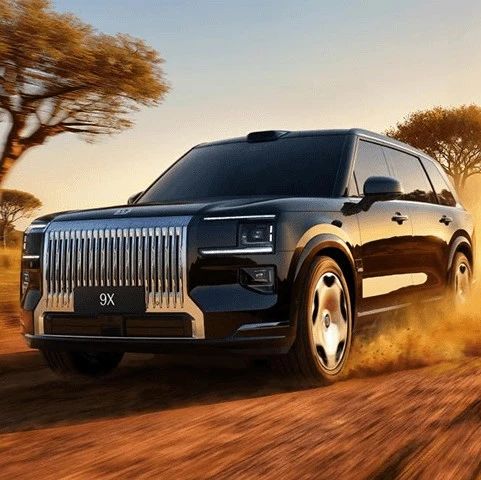
Core Viewpoint - Zeekr is making a significant push into the luxury market with its flagship SUV model, the Zeekr 9X, aiming to compete with established brands like Aion, Li Auto, and even high-end models like Rolls-Royce Cullinan and Range Rover [1][2][3] Group 1: Product Features and Technology - The Zeekr 9X incorporates the best technology available from Geely, showcasing advancements in electric architecture, chassis, and driver assistance systems [2][5] - It features a self-developed 900V high-voltage architecture and a 70kWh 6C hybrid battery, achieving a pure electric range of 380 km and a rapid charging time of just nine minutes [8] - The vehicle is equipped with high-end hardware similar to luxury competitors, including closed dual-chamber air suspension and active anti-roll bars, along with an AI-driven chassis control system [8][9] Group 2: Strategic Intent and Market Positioning - Zeekr's strategy is focused on moving upmarket, targeting the high-end segment above 500,000 RMB, with plans for a premium version of the 9X that could approach the million RMB mark [11][12] - The merger with Lynk & Co has alleviated some operational burdens, allowing Zeekr to concentrate on its upscale branding without competing with lower-priced models [11] Group 3: Competitive Landscape and Challenges - The Zeekr 9X is positioned as a "hybrid all-rounder," directly challenging traditional luxury brands with its performance metrics and advanced technology [13] - However, Zeekr faces challenges in overcoming brand recognition barriers, as it is a relatively new player in the market compared to established brands like Porsche and Land Rover [16] - The company must also balance the contradiction between luxury branding and sales volume, as it aims for a sales target of 320,000 units while only achieving 280,000 in the first half of the year [16] Group 4: Future Considerations - The Zeekr 9X is set to begin pre-sales at the end of August, with official market entry expected in the third quarter and initial deliveries anticipated by the end of 2025 [16] - The company plans to achieve L3-level autonomous driving by 2025, which will require stable technology and user trust to avoid being perceived as merely "luxury on paper" [16] - Future product strategies may include launching additional high-end models alongside the 9X to solidify its presence in the luxury market [17]
极氪的豪华野心,撑得住吗?|车圈脉动 VOL.3
Hu Xiu· 2025-07-12 02:04
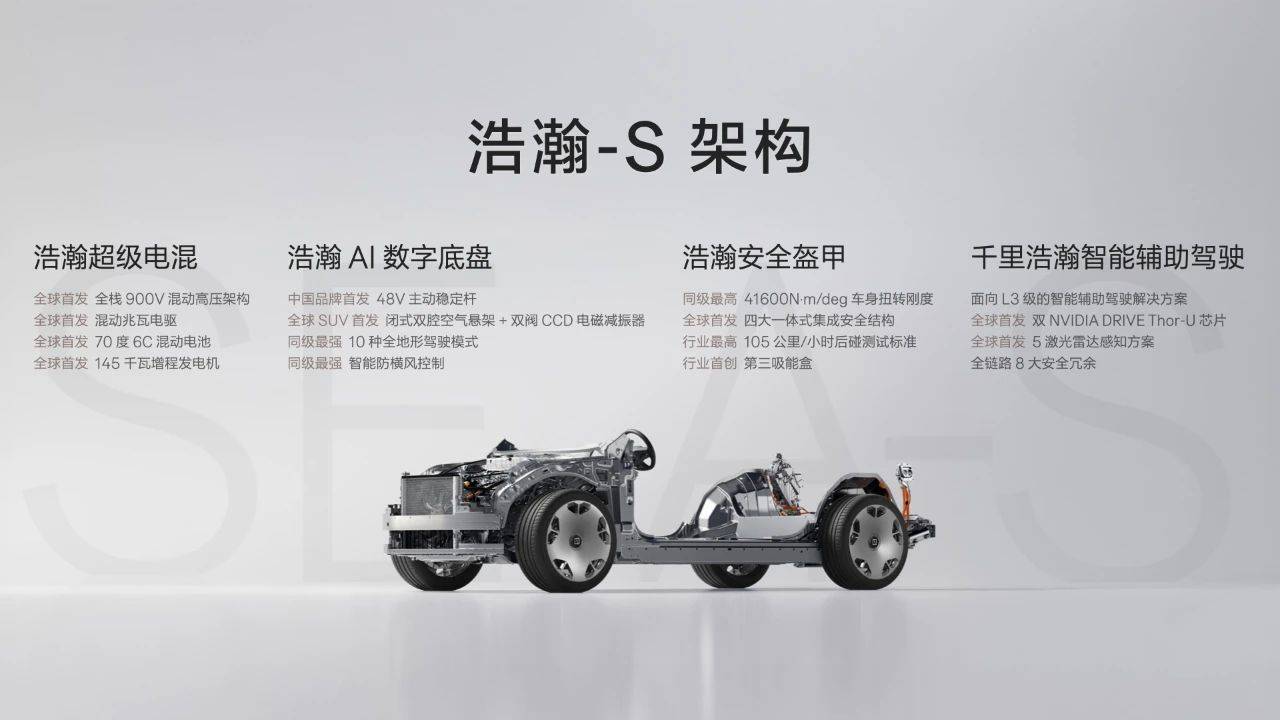
Core Insights - Zeekr is making a significant push into the luxury market with its flagship SUV model, the Zeekr 9X, aiming to compete with established brands like Aion, Li Auto, and even high-end models like Rolls-Royce Cullinan and Range Rover [2][4]. Technology and Features - The Zeekr 9X incorporates advanced technology, including the self-developed Zeekr Vast-S super hybrid architecture, which covers four key areas: super hybrid, digital chassis, safety features, and intelligent driving [6]. - It features a 900V high-voltage architecture with a 70kWh 6C hybrid battery, achieving a pure electric range of 380 km under CLTC standards, and can charge from 0-80% in just nine minutes [6]. - The vehicle is equipped with luxury hardware similar to that of competitors, such as closed double-chamber air suspension and active anti-roll bars, and utilizes an AI-driven intelligent chassis system for enhanced performance [6]. Competitive Landscape - The Zeekr 9X is positioned as a "hybrid all-rounder," challenging traditional luxury brands with its performance metrics (1400 horsepower, 240 km/h top speed) and advanced features (L3-level autonomous driving) [15]. - The pricing strategy for the Zeekr 9X is expected to range from 500,000 to 1,000,000 CNY, targeting the high-end market and competing directly with luxury brands [12][15]. Market Strategy and Challenges - The merger of Zeekr and Lynk & Co is seen as a strategic move to reduce operational burdens and allow Zeekr to focus on its upward brand strategy without competing in lower price segments [13]. - Zeekr's brand recognition is a significant challenge, as it is relatively new compared to established luxury brands, which have decades of market presence [16]. - The company aims to balance luxury positioning with sales targets, having set a goal of 320,000 units for the year, but only achieving 280,000 in the first half [16]. Future Outlook - The Zeekr 9X is set to begin pre-sales at the end of August, with official market launch and deliveries expected in the third quarter of 2025 [17]. - The company plans to achieve L3-level autonomous driving by 2025, contingent on regulatory support, and must ensure the reliability of this technology to build consumer trust [17].
机构预测:到2030年约有15个中国新能源车品牌仍将保持财务活力
Di Yi Cai Jing· 2025-07-11 14:50
Group 1 - The core viewpoint of the report is that by 2025, Chinese brands are expected to capture 67% of the domestic market share in the electric vehicle sector, while foreign brands will continue to decline in market presence [1] - The report predicts that out of 129 brands selling electric vehicles in 2024, only 15 will remain financially viable by 2030, collectively holding three-quarters of the market share [1] - The report highlights that the number of brands with sales exceeding 100,000 units is increasing, indicating a growing market concentration [1] Group 2 - In the first half of the year, several new energy vehicle companies, including Zeekr, Leap Motor, and Li Auto, have reported cumulative deliveries exceeding 200,000 units, with specific figures of 244,900, 221,700, and 203,900 units respectively [2] - The latest financial forecasts indicate that Seres expects a net profit of 2.7 to 3.2 billion yuan for the reporting period, representing a year-on-year increase of 66.20% to 96.98% [2] - Li Auto reported a revenue of 25.9 billion yuan in Q1, with a net profit of 647 million yuan, reflecting a year-on-year growth of 9.4% [2] Group 3 - The report suggests that the market will experience significant consolidation, with only the most competitive brands likely to succeed in the coming years [3] - Some leading electric vehicle companies have already achieved profitability, highlighting the sustainable growth potential of the industry [3] - The changes driven by new operational models focusing on speed, cost-effectiveness, and flexible decision-making are expected to create a more competitive and innovative landscape for China's electric vehicle industry [3]




极氪9X重构豪华车市场,技术平权下的中国式颠覆
36氪· 2025-07-11 13:48
Core Viewpoint - The luxury automotive market is undergoing a significant transformation driven by new technologies, particularly the introduction of the 900V hybrid architecture, which is reshaping the competitive landscape and consumer preferences in China [1][4][8]. Market Dynamics - The launch of the Zeekr 9X, a luxury full-size SUV, has garnered strong consumer interest, with 10,000 users paying deposits within two hours of its announcement [2]. - Traditional luxury brands are experiencing declining sales, particularly in the Chinese market, indicating a shift in consumer preferences towards innovative technologies [3][6]. Technological Advancements - The competition in the luxury car market is not just about fuel versus electric powertrains; it is fundamentally about the technological superiority and unique experiences offered to consumers [6][9]. - The Zeekr 9X is built on the Haohan-S architecture, which is the world's first 900V high-voltage hybrid architecture, allowing for significant performance improvements and addressing common shortcomings in existing hybrid models [18][19]. Performance Breakthroughs - The Zeekr 9X features a 70-degree 6C battery, achieving a CLTC range of 380 km, surpassing similar products globally [19]. - The vehicle's unique "dual-engine parallel direct drive" mode mitigates performance degradation in low battery conditions, maintaining acceleration capabilities even at extreme low power levels [19]. - The integration of a highly efficient 2.0T super hybrid engine with a peak power generator enhances the driving experience and reduces fuel consumption by up to 16% compared to traditional hybrid vehicles [19][20]. Market Positioning - The Zeekr 9X aims to redefine luxury standards by focusing on advanced technology rather than merely aesthetic design elements, which has been a common pitfall for many domestic brands [13][21]. - The vehicle's introduction is seen as a critical step for Chinese brands to penetrate the high-end market, with 70% of potential customers coming from traditional luxury brands [22]. - The success of the Zeekr 009 and the Zeekr 9X indicates a trend where technological scarcity is beginning to challenge established brand premiums in the luxury segment [22].
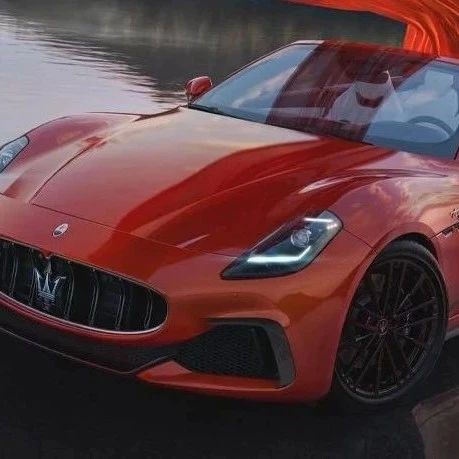
狂降28万元!玛莎拉蒂“大甩卖”,价格近腰斩
凤凰网财经· 2025-07-11 12:50
Core Viewpoint - Maserati is experiencing significant sales decline in China, leading to drastic price cuts on its Grecale SUV model, with discounts reaching nearly 43% from the original price [1][5][6]. Group 1: Sales Performance - Maserati's sales in China have plummeted, with only 384 units sold in the first five months of this year, representing a 44% year-on-year decline [4][6]. - The brand's peak sales in China occurred in 2017, with 14,400 units sold, but projections for 2024 indicate only 1,228 units, a staggering 71% drop [6][7]. - Global sales for Maserati are also down, with only 11,300 units expected in 2024, a 57% decrease compared to the previous year [7]. Group 2: Market Response - The drastic price reduction for the Grecale SUV has sparked significant interest, with over 10 units sold within two days of the promotion [1]. - The sales strategy is reportedly a dealer-exclusive initiative, not directly tied to Maserati's brand strategy [1]. Group 3: Competitive Landscape - Other luxury car brands are also facing challenges, with notable declines in sales for Bentley, Rolls-Royce, Ferrari, Lamborghini, and Aston Martin, with decreases ranging from 2% to 39% in the first five months of the year [9]. - In contrast, domestic brands like BYD and the collaboration between Jianghuai and Huawei are gaining traction, with new models achieving significant pre-order numbers [11][12].