
邮储银行

Search documents
湖北养老金融迈入发展快车道 养老产业贷款余额同比增200.6%
Chang Jiang Shang Bao· 2026-01-07 05:19
Core Viewpoint - The People's Bank of China Hubei Branch has effectively implemented financial support for the elderly care industry, resulting in a significant increase in loans and promoting high-quality development of the silver economy in Hubei Province [1][2]. Group 1: Loan Growth and Financial Support - As of November 2025, the loan balance for the elderly care industry in Hubei Province reached 5.6 billion yuan, representing a year-on-year growth of 200.6% [2]. - The Hubei Branch has established a collaborative mechanism with various local departments to enhance the coordination between industrial and financial policies, aiming to accelerate the development of elderly care finance [2][3]. Group 2: Policy Implementation and Financial Mechanisms - The Hubei Branch has led the issuance of a comprehensive implementation plan to increase financial supply to the elderly care industry, innovate financial products and services, and optimize the elderly care financial security system [2][4]. - The branch has also introduced an evaluation scheme for financial institutions' elderly care services, promoting the establishment of leadership groups within these institutions to enhance management and accountability [2][4]. Group 3: Innovation in Financing - The Hubei Branch has driven innovation in financial products and mechanisms to better align with the financing needs of the elderly care sector, including the development of a "white list" for financing needs and a financing service platform [4]. - Innovative financial products such as "Filial Piety Elderly Care Loan" and "Filial Guarantee Elderly Care Loan" have been launched, with the latter providing guarantees for 30 elderly care-related enterprises amounting to 72.86 million yuan at a low average guarantee fee rate of 0.21% [4]. Group 4: Future Directions - The Hubei Branch plans to continue enhancing the organization and coordination of elderly care finance, leveraging monetary policy tools to guide financial institutions in increasing resource allocation and improving service quality [4].
恒生医疗强势爆发,互联网、科技紧随其后,银行逆势回撤
Ge Long Hui· 2026-01-07 05:04
冲高回落后全天维持在中轴附近,截至收盘恒生指数微涨0.03%。恒生医疗涨幅居前,恒生互联网、恒 生科技紧随其后,银行逆势回撤。 内容只是个人观点,仅供参考,不作为投资依据!欢迎关注交流,互相学习、共同探讨! 恒生医疗高开高走强势爆发,截至收盘大涨5.91%。其中信达生物上涨6.09%,三生制药上涨5.7%,百 济神州上涨5.31%,石药集团、翰森制药等多股涨幅在4%上方。 恒生科技跳空高开后全天维持在高位盘整,截至收盘上涨3.69%。其中快手大涨11.09%,阿里巴巴上涨 2.55%,中芯国际、美团、腾讯控股等均有不错表现。 恒生银行低开低走陷入调整,截至收盘下跌1.16%。包括郑州银行、招商银行、邮储银行、工商银行灯 光均小幅收跌。 ...


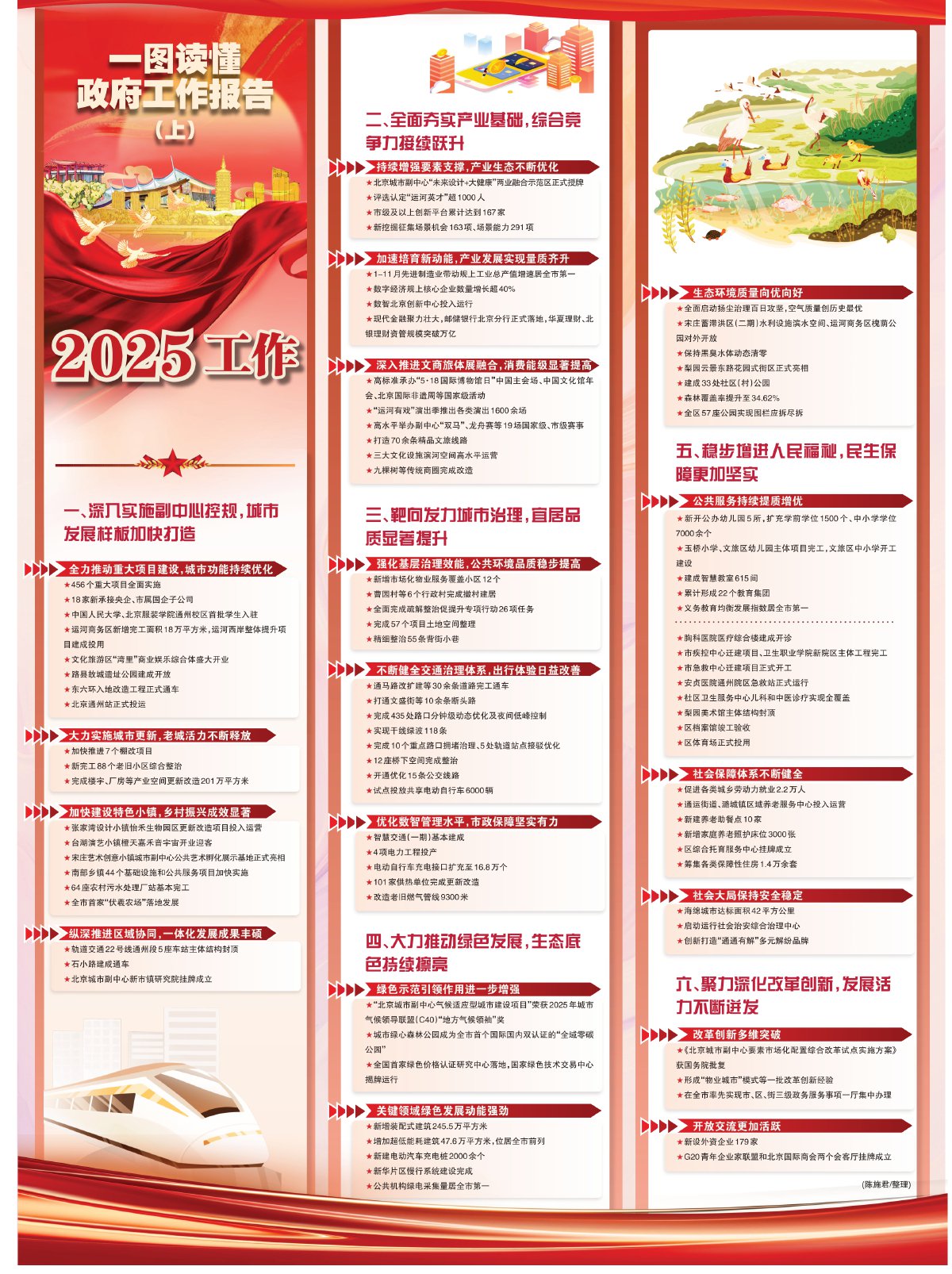
一图读懂政府工作报告
Xin Lang Cai Jing· 2026-01-07 04:51
(来源:北京城市副中心报) 一、深几实施副中则控规,项市 发展 > 全力推动重大项目建设,城市功能持续优化 ★456个重大项目全面实施 *18家新承接央企、市属国企子公司 ★中国人民大学、北京服装学院通州校区首批学生入驻 *运河商务区新增完工面积18万平方米,运河西岸整体提升项 目建成投用 *文化旅游区"湾里"商业娱乐综合体盛大开业 ★路县故城遗址公园建成开放 *东六环入地改造工程正式通车 ★北京通州站正式投运 ★大力实施城市更新,老城活力不断释放 ★加快推进7个棚改项目 ★ 新完工88个老旧小区综合整治 *完成楼宇、厂房等产业空间更新改造201万平方米 >加快建设特色小镇,乡村振兴成效显著 0 >>纵深推进区域协同,一体化发展成果丰硕 ★轨道交通22号线通州段5座车站主体结构封顶 ★北京城市副中心新市镇研究院挂牌成立 二、全面壳实产业基础、综合 争力禮颂跃升 →持续增强要素支撑,产业生态不断优化 加速培育新动能,产业发展实现量质齐升 > 深入推进文商旅体展融合,消费能级显著提高> 三、靶向发力城市治理,自居品 员动营 用 > 强化基层治理效能,公共环境品质稳步提 ★石小路建成通车 > 不断健全交通治理体系, ...
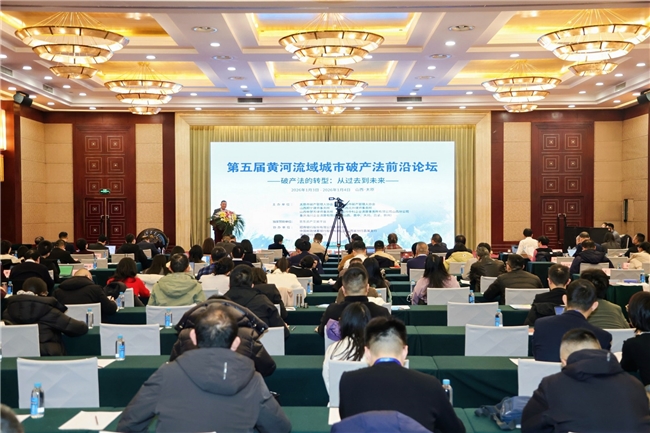
第五届黄河流域城市破产法前沿论坛成功举办
Sou Hu Wang· 2026-01-07 04:28
Core Insights - The Fifth Yellow River Basin Urban Bankruptcy Law Forum was held on January 3-4, 2026, focusing on the theme "Transformation of Bankruptcy Law: From Past to Future," attracting around 200 participants from the bankruptcy law community [1][3] - The forum aimed to examine the context of bankruptcy law revisions and discuss cutting-edge topics such as out-of-court restructuring, cross-border bankruptcy, and digital applications, contributing to the advancement of bankruptcy law and regional economic development [1][3] Group 1: Forum Overview - The forum was organized by various associations and law firms, with sponsorship from JD Asset Trading Platform and support from several banks [3] - The president of the Taiyuan Bankruptcy Administrator Association expressed gratitude for the support received over the past four years and highlighted the forum's growth [5] Group 2: Key Presentations - Professor Li Shuguang from China University of Political Science and Law discussed eight major transformation directions in bankruptcy law, including shifts towards a foundational system, cross-border cooperation, and the integration of digital technology [7] - Professor Woo Su-gun from Ewha Womans University emphasized the global significance of bankruptcy and the evolution of debt, advocating for effective debt management through preemptive control and bankruptcy procedures [9] Group 3: Establishment of New Center - The Out-of-Court Restructuring and Reconstruction Promotion Center was established to explore new paths for rescuing distressed enterprises, with key figures from academia and practice participating in the launch [13] Group 4: Book Launch - The "Report on American Personal Bankruptcy Reform" was introduced, highlighting the collaborative efforts involved in its publication [15][17] Group 5: Additional Presentations - Professor Chen Jingshan discussed the coordination of bankruptcy law modification principles and efficiency, questioning the obligations of directors in bankruptcy applications [21] - Professor Yu Qiwei shared insights on the changing practices of out-of-court restructuring, emphasizing its importance in addressing various practical needs [23] - Professor Zheng Chengxin addressed the challenges in corporate restructuring, advocating for a multi-faceted approach involving legal frameworks and stakeholder collaboration [25] Group 6: Specialized Discussions - Various professors presented on topics such as the highlights of the new bankruptcy law draft, the relationship between bankruptcy law and other legal sectors, and the prioritization of consumer debt claims in bankruptcy proceedings [29][31][33] - Discussions also included the four-dimensional considerations for the professional security of bankruptcy administrators [35] Group 7: Future Directions - The forum concluded with a commitment to continue fostering high-quality dialogue platforms and enhancing collaboration between theoretical and practical sectors in bankruptcy law [75][77]
一年退出上万家,银行网点去哪了?
36氪· 2026-01-07 04:12
以下文章来源于中新经纬 ,作者魏薇 中新经纬 . 中新经纬是由中国新闻社主办的财经新媒体,拥有中国互联网新闻信息采编发布服务资质。以手机客户端(APP)等为主要传播平台,以"权威、前瞻、 专业、亲和"为特色宗旨,传播财经资讯、解读经济政策、讲述商界故事,打造精英的财经资讯平台。 商业银行线下网点加速退出的同时, 网点的新设步伐并未停歇。 文 | 魏薇 编辑 | 李晓萱 来源| 中新经纬(ID:jwview) 封面来源 | Unsplash 2025 年,银行线下网点数量有何变化?1月5日,中新经纬根据国家金融监督管理总局网站"金融许可证信息"栏目披露的信息统计,去年国内共有 11249 家银行线下网点获准退出, 8548 家线下网点获准设立。这意味着, 2025 年全年净退出的银行网点数量达 2701 家。 业内人士 指出, 去年 银行网点大量退出主要 由于银行主动调整以及 银行业改革化险进程持续深化。在关闭低效网点的同时,银行需警惕并防止在特定 区域出现金融服务空白,履行好普惠金融的社会责任。 超1.1万家网点获准退出 据国家金融监督管理总局网站, 2025 年国内共有 11249 家银行(统计机构类型包括 ...

这家国有大行合并旗下直销银行
Zheng Quan Shi Bao· 2026-01-07 02:15
Core Viewpoint - Postal Savings Bank of China has received approval from financial regulators to absorb and merge its wholly-owned subsidiary, Postal Huinong Bank, marking the end of the first independent legal direct bank controlled by a state-owned bank in China [1][2] Group 1: Merger Announcement - The merger aims to optimize resource allocation, reduce management costs, and enhance operational efficiency [2][3] - Postal Huinong Bank's financial statements have been fully integrated into Postal Savings Bank's consolidated reports, with no adverse impact on the bank's financial status or shareholder interests [2][4] Group 2: Background and Performance - Postal Huinong Bank was established in January 2022 with a registered capital of 5 billion yuan, focusing on serving agriculture, small and micro enterprises, and promoting inclusive finance [4] - Since its inception, Postal Huinong Bank has not achieved profitability, reporting revenues of 101 million yuan, 355 million yuan, and 243 million yuan from 2022 to 2024, with net losses of 162 million yuan, 263 million yuan, and 415 million yuan during the same period [4] Group 3: Digital Transformation Strategy - Postal Savings Bank is focusing on digital customer management, using its mobile banking app as the core online entry point to enhance customer acquisition and service integration [5] - The bank has shut down its independent credit card app, consolidating functions into the Postal Savings Bank app to improve user experience and resource efficiency [5] Group 4: Industry Context - The independent legal direct bank model was once seen as a path for digital transformation in the banking sector, but the rise of mobile banking apps has led to increased overlap in functionality and product offerings [6][7] - Currently, only one independent legal direct bank, Citic Baixin Bank, remains operational after the merger of Postal Huinong Bank, with Citic Baixin Bank having turned profitable in 2021 after initial losses [6][7]

成立近4年后,邮储银行全资控股独立法人直销银行正式被吸收合并
Xin Lang Cai Jing· 2026-01-07 01:04
日前,邮储银行公告显示,该行收到金融监管部门批复,同意邮储银行吸收合并邮惠万家银行,并承接 其清产核资后的资产、负债、业务和员工。这也意味着自2025年9月下旬,邮储银行宣告吸收邮惠万家 银行之后,相关动作已进入尾声,全国首家国有大行控股的独立法人直销银行,正式成为历史。截至目 前,独立法人直销银行仅剩中信百信银行一家。(券商中国) ...
正式获批解散!这家国有大行合并旗下直销银行
券商中国· 2026-01-07 00:59
Core Viewpoint - Postal Savings Bank of China (PSBC) has received regulatory approval to absorb and merge with its wholly-owned direct bank, Postal Huinong Bank, marking the end of the first independent legal direct bank controlled by a state-owned commercial bank in China [2][3]. Group 1: Merger Announcement and Rationale - The merger is aimed at optimizing resource allocation, reducing management costs, and enhancing operational efficiency, as stated by PSBC [3][4]. - The direct bank was initially established as a "testbed for digital transformation," but its independent value has diminished due to the rapid development of mobile banking [2][4]. - The merger will integrate Postal Huinong Bank's online operational experience into PSBC, providing new momentum for its development [4]. Group 2: Financial Performance of Postal Huinong Bank - Postal Huinong Bank, established in January 2022 with a registered capital of 5 billion yuan, has accumulated over 20 million users but has not achieved profitability since its inception [5][6]. - The bank reported revenues of 101 million yuan, 355 million yuan, and 243 million yuan from 2022 to 2024, with net losses of 162 million yuan, 263 million yuan, and 415 million yuan during the same period [5][6]. - As of June 2025, Postal Huinong Bank's total assets were 12.005 billion yuan, with a significant portion of its loans directed towards small and micro enterprises [6]. Group 3: Industry Context and Future Outlook - The independent legal direct bank model has faced challenges due to the increasing overlap in functionality with mobile banking apps, leading to a decline in the independent value of direct banks [7]. - Following the merger, only one independent legal direct bank, Citic Baixin Bank, remains operational in China, highlighting a trend of consolidation in the sector [7]. - Citic Baixin Bank has shown signs of recovery, achieving a net profit of 652 million yuan in 2024, although it experienced a decline of 23.74% year-on-year [7][8].

数字人民币升级,如何影响你我
Ren Min Ri Bao Hai Wai Ban· 2026-01-06 22:59
Core Viewpoint - The launch of the 2.0 version of digital RMB introduces interest-bearing capabilities for wallet balances, transforming digital RMB from a cash-like currency to a deposit currency, which is expected to enhance user adoption and expand its usage scenarios, solidifying China's leading position in the global central bank digital currency (CBDC) exploration [4][5][11]. Group 1: Key Changes in Digital RMB - The most significant change in the upgraded digital RMB is that wallet balances can now earn interest, similar to demand deposits [5][6]. - Major banks, including ICBC, ABC, and BOC, will start offering interest on digital RMB wallet balances according to the prevailing demand deposit rates by December 31, 2025 [5][6]. - The upgrade involves a comprehensive adjustment of the digital RMB's measurement framework, management system, operational mechanism, and ecosystem [5][6]. Group 2: Operational Framework - The People's Bank of China (PBOC) is responsible for setting business rules and technical standards for digital RMB, while commercial banks will manage customer wallets and ensure compliance [6][10]. - Digital RMB will be included in the reserve requirement framework, with non-bank payment institutions required to maintain 100% reserves for digital RMB [6][10]. - The new system clarifies that digital RMB in commercial bank wallets is treated as a bank liability, marking the transition from cash-like to deposit currency [6][7]. Group 3: Impact on Users and Businesses - The transition to a deposit currency is expected to increase user willingness to hold digital RMB, as it will now earn interest [7][8]. - Banks can leverage digital RMB deposits to develop more financial products, enhancing the "payment + finance" ecosystem [7][8]. - The range of payment scenarios for digital RMB has expanded significantly, with applications in public transport, dining, healthcare, and more [8]. Group 4: Global Positioning - China is currently leading in the global CBDC landscape, with digital RMB exhibiting capabilities such as mixed currency functionality, programmability, and efficient regulatory features [9][11]. - The establishment of an international operational center for digital RMB in Shanghai aims to facilitate cross-border transactions and enhance the integration of digital assets [10][11]. - The shift to a deposit currency will allow digital RMB to seamlessly integrate into global interbank payment systems, improving its utility in cross-border trade and investment [11].

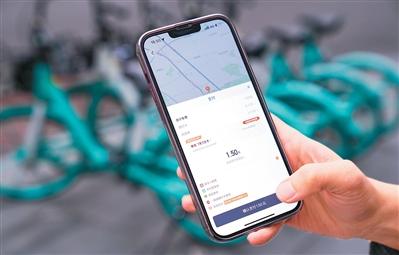
“创业黔行”黔西南专场对接会为企业破解融资瓶颈
Xin Lang Cai Jing· 2026-01-06 22:38
Group 1 - The "Entrepreneurial Qianxing" special service activity aims to address financing bottlenecks for local enterprises in Guizhou Province, enhancing financial support for diversified industrial development in Qianxinan Prefecture [1] - The recent financing matchmaking event in Xingyi City featured 15 local enterprises showcasing their strengths and potential, engaging directly with 11 investment and financing institutions from Shanghai, Guangzhou, and within the province [1] - Five investment institutions reached eight intention agreements during the event, covering sectors such as new energy materials, biotechnology, and ecological food, laying the groundwork for further resource integration [1] Group 2 - The "Entrepreneurial Qianxing" initiative has previously facilitated cross-regional integration of financial resources and local industries in various areas, including Qiannan Prefecture and Liupanshui City [2] - The final financing matchmaking event of the initiative will take place in Tongren City, with plans for ongoing development of the "Entrepreneurial Qianxing" brand to provide more targeted services for key industries and entrepreneurs [2]
