
海外市场

Search documents
颐海国际(01579):盈利超预期,第三方与海外双轮驱动
Haitong Securities International· 2026-03-26 08:02
Investment Rating - The report maintains an "Outperform" rating for Yihai International [2][12]. Core Insights - The company reported a full-year revenue of RMB 6.61 billion for 2025, reflecting a year-over-year increase of 1.1%, and a net profit attributable to shareholders of RMB 850 million, up 15.5% year-over-year [3][9]. - In the second half of 2025, revenue reached RMB 3.69 billion, a 2.0% increase year-over-year, with net profit attributable to shareholders at RMB 550 million, up 22.9% year-over-year, indicating significant quarter-over-quarter improvement [3][9]. - The company’s strategy to enhance the premium positioning of third-party products has shown significant results, with hot pot seasonings accounting for 61.1% of total revenue in 2025 [10][12]. Financial Performance Summary - Revenue projections for 2026-2028 are estimated at RMB 7.00 billion, RMB 7.62 billion, and RMB 8.21 billion, respectively, with net profits of RMB 1.01 billion, RMB 1.12 billion, and RMB 1.22 billion [13]. - The diluted EPS for 2026-2028 is projected to be RMB 0.97, RMB 1.08, and RMB 1.18, respectively [13]. - The gross margin in the second half of 2025 increased by 2.9 percentage points year-over-year, with net profit margin also expanding by 2.8 percentage points [11][12]. Business Segment Analysis - Hot pot dipping sauces generated RMB 510 million in revenue, up 16.4% year-over-year, while compound seasonings also saw a 16.4% increase, driven by strong growth in niche categories [10]. - The third-party business generated revenue of RMB 4.78 billion, up 4.7% year-over-year, with overseas sales increasing by 45.4% and B2B revenue rising by 73.3% [10][11]. - Related-party revenue contracted by 11.0% year-over-year due to a focus on high-margin third-party categories [10].
拓普集团:公司业绩符合预期,将发力海外市场及机器人新业务-20260326
CSC SECURITIES (HK) LTD· 2026-03-26 05:24
Investment Rating - The report assigns a "Buy" rating for the company, indicating a potential upside of 15% to 35% [5][9]. Core Insights - The company achieved a revenue of 29.58 billion RMB for the year 2025, representing a year-over-year (YOY) increase of 11.2%. However, the net profit attributable to shareholders decreased by 7.4% YOY to 2.78 billion RMB [5][6]. - The automotive electronics segment experienced rapid growth, with a revenue increase of 52.1% YOY, primarily due to significant advancements in the Intelligent Brake System (IBS) [6]. - The company is accelerating its overseas capacity expansion and new business ventures in robotics, which are expected to contribute to future growth [6]. Summary by Relevant Sections Financial Performance - In Q4 2025, the company reported a revenue of 8.65 billion RMB, a YOY increase of 19.4%, and a net profit of 0.81 billion RMB, reflecting a YOY growth of 6.0% [5][6]. - The overall gross margin for 2025 was 19.4%, a decline of 1.4 percentage points, attributed to underperformance in overseas operations [6]. Business Segments - Revenue breakdown for 2025: - Interior: 9.67 billion RMB, YOY +14.7% - Chassis Systems: 8.72 billion RMB, YOY +6.3% - Shock Absorbers: 4.26 billion RMB, YOY -3.3% - Automotive Electronics: 2.77 billion RMB, YOY +52.1% - Thermal Management: 2.09 billion RMB, YOY -2.3% - Robotics Actuators: 0.14 billion RMB, YOY +1.2% [6]. Future Projections - The company is projected to achieve net profits of 3.18 billion RMB, 3.91 billion RMB, and 5.03 billion RMB for 2026, 2027, and 2028, respectively, with YOY growth rates of 14.4%, 22.8%, and 28.9% [8]. - The estimated earnings per share (EPS) for the same years are 1.8 RMB, 2.2 RMB, and 2.9 RMB, with corresponding price-to-earnings (P/E) ratios of 32, 26, and 20 [8].

宁德时代:2025年报点评25年业绩大超预期,26年迎扩产高增长-20260313
Huachuang Securities· 2026-03-13 10:35
Investment Rating - The report maintains a "Strong Buy" rating for the company with a target price of 515.63 CNY [2][8]. Core Insights - The company's performance in 2025 significantly exceeded expectations, with total revenue reaching 423.7 billion CNY, a year-on-year increase of 17.0%, and a net profit attributable to shareholders of 72.2 billion CNY, up 42.3% year-on-year [10][37]. - The company is expected to experience high growth in production capacity in 2026, driven by strong demand and an increase in orders, as evidenced by a 77% increase in contract liabilities in Q4 2025 [27][37]. - The company achieved a global market share of 39.2% in electric vehicle battery installations, marking a 1.2 percentage point increase year-on-year, and continues to lead in the high-end market segment [37][40]. Financial Performance Summary - **Revenue and Profitability**: In 2025, the company reported total revenue of 423.7 billion CNY, with a net profit of 72.2 billion CNY, reflecting a 42.3% increase year-on-year. The fourth quarter alone saw revenue of 1,406.3 billion CNY, a 36.6% increase from the previous quarter [10][19]. - **Sales Volume**: The total battery sales volume reached 661 GWh in 2025, a 39.2% increase year-on-year, with a significant contribution from both power and energy storage batteries [10][37]. - **Margins**: The gross margins for power batteries, energy storage, materials, and minerals were 23.8%, 26.7%, 27.3%, and 11.3% respectively, with notable improvements in materials and minerals due to price increases [17][19]. Capacity and Investment - **Capital Expenditure**: The company has resumed capital expenditure growth, with Q4 2025 capital spending reaching 12.3 billion CNY, indicating a return to an expansion phase [21][27]. - **Production Capacity**: As of the end of 2025, the company had 321 GWh of capacity under construction, with plans for further expansion in 2026 [21][27]. Cash Flow and Financial Health - **Cash Flow**: The company reported a strong operating cash flow of 1,332 billion CNY in 2025, a 37.4% increase year-on-year, with cash on hand increasing to 299.9 billion CNY [33][36]. - **Debt and Liabilities**: The company's contract liabilities rose significantly, indicating robust demand and a strong order backlog, with Q4 2025 contract liabilities at 49.2 billion CNY [27][29]. Market Position and Product Development - **Market Share**: The company achieved a record global market share of 39.2% in electric vehicle battery installations, outperforming the overall market growth [37][40]. - **Product Innovation**: The company continues to launch innovative products, including various battery solutions tailored for different applications, enhancing its competitive advantage [40][42].

车企马年开工信:反内卷、AI、海外成关键词
Jing Ji Guan Cha Wang· 2026-02-25 11:09
Group 1: Industry Overview - The automotive industry is facing dual pressures of "involution" and "elimination," leading companies to adopt both common and unique strategic focuses [3][7]. Group 2: Geely Automotive - Geely Automotive emphasizes a strategy of "anti-involution," focusing on long-term goals in technology, quality, brand, service, and corporate ethics [4]. - The company plans to accelerate AI technology, with the G-ASD H7 solution to be integrated into multiple models by 2026, and aims to enhance the interactive capabilities of its AI assistant, Eva [4]. - Geely will launch a new generation of methanol hybrid vehicles in 2026, with a cost of approximately 0.2 yuan per kilometer, and aims to increase its refueling network coverage to 60% [4]. - The brand is also focusing on high-end products, with the Zeekr 8X set to debut, featuring a unique 900V high-voltage power system [5]. - Geely is transitioning from "international trade" to "product-oriented" strategies, aiming for localized product development to create global benchmark products [6]. Group 3: Changan Automobile - Changan's president emphasizes the need to confront the gap with top-tier companies and outlines six strategies to address market competition and internal efficiency [7][8]. - The company aims to enhance its AI capabilities and expand its overseas market presence, recognizing a limited window of opportunity for growth [8]. Group 4: XPeng Motors - XPeng Motors is positioning itself as a leader in the all-automated driving era, with plans to mass-produce robots, flying cars, and Robotaxis by 2026 [9]. - The company has ambitious overseas sales targets, aiming to double its international sales by 2026 and sell 1 million units by 2030 [9]. - XPeng plans to hire an additional 8,000 employees globally by 2026 to support its growth and enhance its supply chain capabilities [9]. Group 5: SAIC-GM-Wuling - SAIC-GM-Wuling's approach focuses on product innovation and manufacturing efficiency, aiming to meet changing consumer demands through a digital platform [10]. - The company plans to implement a "manufacturing island + digital island + intelligent island" system to enhance production capabilities and efficiency [11]. - The CEO highlights the challenges of the current automotive landscape, including rising raw material costs and the need for rapid product iteration [11].


一汽解放:公司尊重友商的优秀发展成果,也始终积极对标学习
Zheng Quan Ri Bao Wang· 2026-02-12 05:48
Core Viewpoint - The company emphasizes its commitment to continuous improvement and innovation in response to competitive pressures while focusing on key areas such as new energy, intelligent networking, and overseas markets [1] Group 1 - The company respects the achievements of its competitors and actively learns from their successful development [1] - The company aims to deepen its core business and accelerate transformation through management upgrades and product innovation [1] - The company is dedicated to enhancing its competitiveness to provide maximum returns to its investors [1]

“广货行天下”需瞄准三大市场
2 1 Shi Ji Jing Ji Bao Dao· 2026-02-05 22:23
Core Viewpoint - The development of service consumption is crucial for China's economic growth, with a significant gap compared to developed countries, indicating a vast potential for growth in this sector [2][3] Group 1: Service Consumption Trends - By 2025, the proportion of per capita service consumption expenditure in China is expected to reach 46.1%, while developed countries typically exceed 60%, with some even over 70% [2] - It is predicted that during the 14th Five-Year Plan period, service consumption will account for over 50% of total consumption, marking an irreversible trend [2] Group 2: Relationship Between Service and Goods Consumption - Both service and goods consumption are essential for expanding domestic demand, with service consumption focusing on growth and goods consumption on quality improvement [3] - The tourism sector exemplifies this relationship, with over 6.5 billion domestic tourist trips expected by 2025, highlighting the interconnectedness of service and goods consumption [3] Group 3: Market Opportunities for "Guangdong Goods" - The overseas market presents new opportunities for Guangdong goods, transitioning from low-margin exports to high-quality brand exports, particularly in emerging markets like Southeast Asia and Europe [4] - The Guangdong-Hong Kong-Macao Greater Bay Area, with over 80 million residents, serves as a significant market for both high-end and cost-effective products, providing a testing ground for product optimization [4] - The untapped potential in lower-tier markets, particularly in rural areas, offers significant opportunities for Guangdong goods, focusing on quality-price ratios rather than premium pricing [4] Group 4: Future Directions for Guangdong Goods - Future consumption trends are expected to lean towards intelligence, sustainability, differentiation, and emotional connection, where Guangdong has competitive advantages [5] - Guangdong's digital economy and advancements in AI and IoT are leading to innovative products, while the focus on green products aligns with global consumption trends [5] - The integration of local cultural elements into products enhances emotional value, appealing to younger consumers [5]
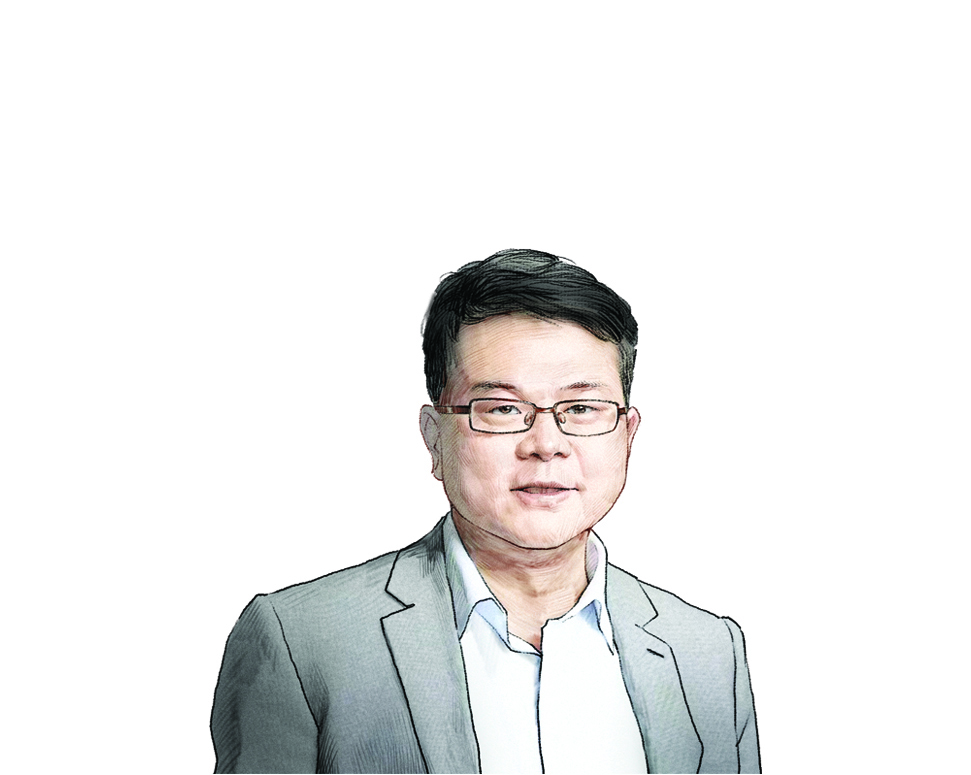
自主、新能源、海外三大引擎同步发力 上汽集团1月销售32.7万辆同比大增23.9%
Zhong Guo Jing Ying Bao· 2026-02-02 12:47
Core Viewpoint - In January 2026, SAIC Motor Corporation achieved significant sales growth, continuing its strong performance from 2025, with a total vehicle sales of 327,000 units, representing a year-on-year increase of 23.9% [3][4]. Sales Performance - SAIC's total vehicle sales in January reached 327,000 units, with retail sales at 363,000 units, leading the domestic automotive industry in both wholesale and retail sales [3]. - The sales of SAIC's self-owned brands amounted to 214,000 units, marking a year-on-year growth of 39.6%, accounting for 65.3% of the company's total sales, an increase of 7.3 percentage points compared to the same period last year [4]. - The sales of SAIC's new energy vehicles (NEVs) reached 85,000 units, reflecting a year-on-year increase of 39.7%, positioning the company among the industry's leaders [4]. Brand Performance - SAIC Passenger Vehicles sold 77,000 units in January, up 53.8% year-on-year; SAIC Maxus sold 18,000 units, a growth of 18.2%; and SAIC-GM-Wuling sold 105,000 units, increasing by 37% [4]. - The sales of SAIC's NEVs included 28,000 units from SAIC Passenger Vehicles, a staggering increase of 576.9% year-on-year; 4,000 units from SAIC Maxus, up 24.6%; 6,000 units from SAIC-GM, a growth of 316.1%; and 36,000 units from SAIC-GM-Wuling [4]. International Market - In January, SAIC's overseas sales reached 105,000 units, a remarkable year-on-year increase of 51.7%, maintaining a strong position in the industry [5]. - The MG brand, which has been the top-selling self-owned brand in Europe for 11 consecutive years, ranked second in monthly sales in the UK automotive market in December 2025, surpassing major global brands [5]. Future Outlook - SAIC Motor Corporation aims to deepen reforms in 2026, focusing on user-centric innovation and the application of cutting-edge technologies such as AI, smart driving, smart cockpit, smart chassis, and solid-state batteries [5].

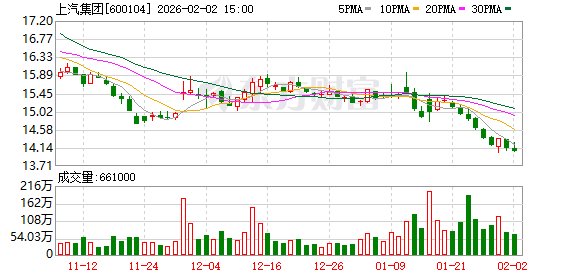
海外订单与新兴产业驱动高增长,德州上市公司答卷亮眼
Da Zhong Ri Bao· 2026-02-02 00:44
Core Insights - The overall performance of listed companies in Dezhou is significantly improving, with many companies forecasting a net profit increase of over 50% for the fiscal year 2025, and some even projecting growth as high as 167.98% to 212.03% [1][2] Group 1: Company Performance - Five out of eleven listed companies in Dezhou have released performance forecasts, with notable examples including Suotong Development, which expects a net profit of 730 million to 850 million yuan, representing a year-on-year increase of 167.98% to 212.03% [1][2] - Other companies also show impressive growth, such as Shuangyi Technology with a projected net profit exceeding 150 million yuan, an increase of 80% to 100%, and Tongyu Heavy Industry expecting a net profit of over 62.5 million yuan, up by 51.05% to 75.22% [2] Group 2: Market Dynamics - The aluminum industry, particularly the prebaked anode sector, is experiencing favorable conditions, leading to price increases for Suotong Development's main products [2] - New production capacities from joint ventures with high-quality clients are contributing to significant year-on-year growth in production and sales [2] Group 3: International Expansion - Overseas markets are becoming a crucial growth engine for many listed companies, with Suotong Development seeing a substantial increase in overseas orders and signing a joint venture agreement with Emirates Global Aluminium worth approximately $295 million [3] - Baolong Chuangyuan is experiencing a rapid recovery in international orders, which is driving significant growth in its international business [3] Group 4: Emerging Sectors - New sectors such as new energy vehicles and low-altitude economy are emerging as new growth drivers for companies, with Shuangyi Technology expanding its product offerings to include components for new energy buses and drones [4] Group 5: Regional Economic Resilience - The overall positive performance of listed companies reflects the stability and improvement of the regional economy, with companies across various sectors such as new materials, environmental technology, and heavy machinery showing resilience [5] - Dezhou is actively fostering a supportive environment for listed companies, with initiatives aimed at enhancing the quality and quantity of listings on the North Exchange [6]
石药集团:长效代谢平台解锁重磅出海交易-20260201
HTSC· 2026-02-01 13:25
Investment Rating - The investment rating for the company is maintained as "Buy" with a target price of HKD 19.25 [1][4]. Core Insights - The company has announced a significant overseas transaction involving its long-acting peptide drug metabolism AI discovery platform, which includes a USD 1.2 billion upfront payment, up to USD 3.5 billion in development milestones, and up to USD 13.8 billion in potential sales milestones, along with a double-digit percentage royalty on net sales to AstraZeneca [1][2]. - This transaction is the largest among domestic pharmaceutical companies in the year and is comparable to the 2015 upfront payment scale between 3SBio and Pfizer [1]. - The company is expected to benefit from the upfront payment, leading to a high apparent year-on-year growth in net profit for 2026 [1][3]. Summary by Sections Transaction Details - The deal with AstraZeneca includes a USD 1.2 billion upfront payment, a maximum of USD 3.5 billion in development milestones, and a maximum of USD 13.8 billion in potential sales milestones, along with a double-digit percentage royalty on net sales [2]. - The platform includes core assets such as GIPR/GLP-1R (monthly formulations) and three preclinical weight loss pipelines with different mechanisms of action [2]. Platform Mechanism - The company possesses a globally leading liposome platform, and the fluid crystal technology allows for long-term release of active ingredients, enabling monthly or longer dosing [2]. Pipeline Potential - The company’s pipeline includes significant projects such as EGFR ADC, which is expected to enter Phase III clinical trials both domestically and internationally, and other oncology and autoimmune therapies [3]. - The company is focusing on filling gaps in its wild-type lung squamous carcinoma layout with PD-1/IL-15 and has ADC pipelines targeting HER3, B7H3, DLL3, among others [3]. Profit Forecast and Valuation - The company’s net profit is projected to be RMB 4.45 billion in 2025 and RMB 8.46 billion in 2026, with corresponding EPS of RMB 0.39 and RMB 0.73 [4][9]. - The target price is set at HKD 19.25, reflecting a 24x PE for 2026, with adjustments made based on the anticipated impact of product procurement [4][11].
这类产品,资金狂买!最高净申购超60亿份
Zhong Guo Ji Jin Bao· 2026-01-23 01:33
Group 1 - The total scale of public funds reached 31.62 trillion units by the end of 2025, with a net subscription of 706.79 billion units in the fourth quarter, representing a growth rate of 2.29% [1] - Various fund types, including money market, index, QDII, bond, commodity, and FOF, experienced net subscriptions, while mixed funds saw the highest net redemptions, shrinking by 82.30 billion units [1][5] - Despite overall net redemptions in actively managed equity and mixed funds, 38 actively managed equity funds attracted net subscriptions exceeding 500 million units, with the highest being 6.20 billion units [2][3] Group 2 - The top actively managed equity fund, managed by Zhang Haiqiao, attracted a net subscription of 6.20 billion units, with a net subscription ratio of 2126.19% [2] - The second highest net subscription was for a fund managed by Zhang Lu, which garnered 5.22 billion units and a net subscription ratio of 513.27% [2] - The bond market showed a "rise then fall" trend, with bond funds achieving a net subscription of 824.34 billion units, increasing their total scale to 9.09 trillion units [6] Group 3 - QDII funds saw a net subscription of 1.31 trillion units, increasing their total scale to 8.17 trillion units, with a leading net subscription ratio of 19.04% [6] - Commodity funds achieved a net subscription of 238.42 billion units, with a total scale of 943.89 billion units, marking the highest net subscription ratio of 33.8% among fund types [6] - The mixed fund category experienced a net redemption of 82.30 billion units, reducing its total scale to 2.65 trillion units, with a net redemption ratio of 3.02% [5][6]