餐饮外卖

Search documents
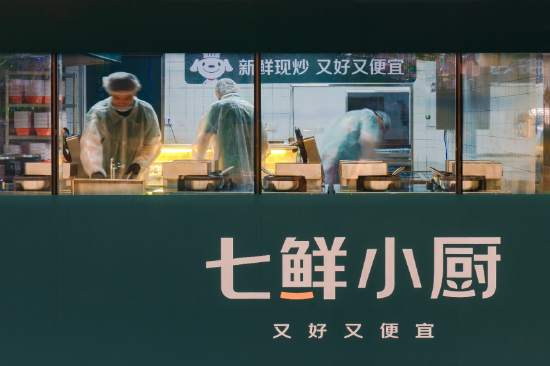
京东(09618)二季度新业务同比增长199% 外卖业务达成初期战略目标
智通财经网· 2025-08-14 13:57
Core Insights - JD Group reported Q2 2025 revenue of 356.7 billion RMB, a year-on-year increase of 22.4%, exceeding market expectations and setting a new record for revenue growth in nearly three years [1] - The acceleration in revenue growth is primarily driven by the core retail business, with key categories such as electrical appliances and daily necessities showing year-on-year growth of 23.4% and 16.4% respectively [1] - The new business segment, including JD's food delivery service, saw a significant revenue increase of 199% year-on-year [1] Retail Business Performance - JD's retail revenue grew by 20.6% year-on-year in Q2, with an operating profit margin of 4.5%, marking the highest record for any promotional quarter in the company's history [2] - The number of active users and shopping frequency increased by over 40% year-on-year, with active users achieving double-digit growth for seven consecutive quarters [1][2] Food Delivery Business Development - JD's food delivery service achieved a daily order volume exceeding 25 million, with coverage in 350 cities and over 150,000 quality dining establishments [2] - The company emphasizes a commitment to quality and service, rejecting unhealthy competition practices and focusing on technological empowerment and supply chain innovation [2] New Initiatives in Food Service - The launch of "Seven Fresh Kitchen," a quality dining partnership platform, aims to alleviate financial pressures on partner merchants, with plans to establish 10,000 locations nationwide within three years [3] - The first store of "Seven Fresh Food MALL" opened, utilizing 100% kitchen live streaming and a quality dining development plan to enhance consumer trust and operational efficiency for merchants [3]

从流量平台到生态共建,互联网巨头重塑餐饮市场
Zheng Quan Shi Bao· 2025-08-14 00:58
Core Insights - The article highlights the transformation of the food delivery industry driven by major internet companies like JD and Meituan, which are introducing new business models to enhance efficiency and reduce costs [2][5]. Group 1: Business Models - JD's "Qixian Xiaochu" achieved over 1,000 daily orders in its first week, with a repurchase rate 220% higher than the industry average, supported by a significant investment of over 10 billion yuan in a new kitchen model [4][5]. - Meituan's "Huanxiong Shitang" aims to create a transparent and safe food delivery infrastructure, planning to invest in 1,200 locations over the next three years, allowing various food businesses to join under strict safety standards [4][5]. Group 2: Industry Trends - The traditional food delivery model faces challenges with high costs from rent, labor, and waste, which account for over 35% of revenue, while centralized kitchens can reduce costs by 10% to 15% [5][10]. - The industry is moving towards a centralized kitchen model where multiple brands share resources, allowing for faster delivery times and reduced operational costs, with an average delivery time of 28 minutes [5][10]. Group 3: Market Dynamics - The Chinese restaurant industry is experiencing a shift towards a more diversified investment landscape, with a reported revenue of 27,480 billion yuan in the first half of the year, reflecting a 4.3% year-on-year growth [12]. - The new centralized kitchen model is pushing small, independent restaurants towards a quasi-chain structure, potentially leading to increased market concentration [12][13]. Group 4: Opportunities and Challenges for Small Businesses - Small restaurant operators face both opportunities and challenges from the new centralized kitchen model, which offers access to digital tools and supply chains but also increases competition and potential brand dilution [13]. - Experts suggest that small businesses should leverage the advantages of these centralized kitchens while focusing on building their own customer bases through data-driven strategies [13].

从流量平台到生态共建,互联网巨头重塑餐饮市场
证券时报· 2025-08-14 00:25
Core Viewpoint - The article discusses the transformation of the food delivery industry driven by major internet companies like JD and Meituan, focusing on their new business models that aim to optimize costs and improve efficiency in the restaurant sector [1][4][10]. Group 1: JD and Meituan's New Business Models - JD's Qixian Kitchen achieved over 1,000 daily orders in its first week, with a repurchase rate 220% higher than the industry average, supported by a significant investment of over 10 billion yuan in a new kitchen model [3][4]. - Meituan's Raccoon Kitchen plans to open 1,200 locations nationwide over the next three years, offering a transparent and safe food delivery infrastructure for various restaurant businesses [3][4]. - Both companies are moving towards centralized kitchen models, which can reduce operational costs by 10% to 15% compared to traditional delivery methods [4][6]. Group 2: Industry Transformation and Challenges - The shift towards centralized kitchens aims to upgrade small, dispersed restaurants into more efficient, factory-like operations, leveraging data and scale to restructure industry cost structures [6][9]. - The restaurant industry in China is experiencing a significant transformation, with a reported revenue of 27,480 billion yuan in the first half of the year, reflecting a 4.3% year-on-year growth [11]. - The new model is expected to create a three-tier market structure, potentially pushing traditional small restaurants out of the market due to increased competition and operational challenges [12]. Group 3: Implications for Small and Medium-sized Businesses - Small and medium-sized restaurant operators face both opportunities and challenges from the new centralized kitchen model, which offers access to digital tools and supply chains but also leads to increased competition and brand dilution [12]. - The article suggests that small businesses should leverage the advantages of these new kitchen models while maintaining their unique brand identity and customer relationships [12].


餐饮外卖行业高质量健康发展需多方协同发力
Zhong Guo Jin Rong Xin Xi Wang· 2025-08-09 06:20
Core Viewpoint - The food delivery industry is actively seeking new paths to improve quality and efficiency in response to consumer demand for better experiences, emphasizing the need for a fair and orderly market environment for sustainable development [1][2]. Group 1: Industry Insights - The food delivery sector is seen as an important extension of restaurant services, with brands focusing on enhancing customer recognition and satisfaction through exceptional service experiences [1]. - Companies like Hu Da Restaurant prioritize quality over short-term sales, adhering to a philosophy of maintaining high standards in their offerings [1]. - Experts highlight the importance of fostering healthy competition among platforms through policy guidance, self-regulation, and effective oversight to ensure a balanced interest among platforms, merchants, delivery personnel, and consumers [1][2]. Group 2: Regulatory Recommendations - To ensure the healthy development of the food delivery industry, it is recommended to enforce laws such as the E-commerce Law and Anti-Monopoly Law, prohibiting platforms from distorting fair competition through practices like predatory pricing [2]. - A combination of fiscal policies, industry self-governance, and platform self-discipline should be employed to guide platforms towards creating a symbiotic industry ecosystem focused on quality, service, efficiency, technology, and innovation [2]. Group 3: Consumer Trust and Safety - Consumer concerns regarding food safety and merchant qualifications are critical, with experts suggesting that platforms should enhance their auditing mechanisms and optimize rules to maintain high standards of food safety and protect the rights of workers [2][3]. - Platforms are encouraged to implement transparent auditing processes, utilize technology for monitoring food sources and processing, and establish responsive compensation mechanisms for consumer losses due to merchant or delivery issues [3]. Group 4: Support for Delivery Personnel - Platforms have a responsibility to care for delivery personnel, providing necessary social security and accident insurance, while also optimizing work conditions by considering various factors like distance and weather [3]. - JD.com has set a precedent by providing comprehensive insurance for full-time delivery riders and additional support for part-time riders, including educational funds for their children and career development programs [4].
朱啸虎:我当年为什么那么早就投了小红书?
创业家· 2025-08-06 10:09
Core Viewpoint - The article emphasizes the importance of understanding consumer behavior and market dynamics in the context of Japan's evolving consumer landscape, which serves as a model for Chinese brands to adapt and innovate in a low-growth environment [19][20]. Group 1: Investment Insights - The early investment in Xiaohongshu occurred when the founder had not yet solidified a business model, showcasing the potential of visionary entrepreneurs [3][4]. - The initial products launched by Xiaohongshu were basic PDF guides, which received positive feedback despite their simplicity, indicating a strong market interest [8][10]. - The article reflects on the skepticism faced by early-stage companies like Xiaohongshu, Didi, and Ele.me, highlighting the common challenges in gaining investor confidence [10][11]. Group 2: Japanese Market Analysis - Japan's consumer market is characterized by a unique blend of low growth, aging population, and innovative business models, providing valuable lessons for Chinese entrepreneurs [19][20]. - The article outlines three core philosophies of enduring Japanese brands: supply chain-driven private brand (PB) products, continuous iteration of key products, and the ability to define lifestyles that resonate emotionally with consumers [21][23]. - Companies like Kobe Bussan and 7-11 exemplify successful supply chain strategies that meet latent consumer needs through data-driven product development [21][22]. Group 3: Learning Opportunities - The article promotes a learning trip to Japan, aimed at exploring the innovative practices of leading Japanese companies, which can inspire new business opportunities in China [15][16]. - The program includes insights from industry leaders and visits to successful brands, focusing on how they navigate market challenges and consumer expectations [24][30]. - Participants will gain firsthand experience in understanding the emotional and functional needs of consumers, which is crucial for developing competitive products in the current market landscape [30][31].
直击美团、京东外卖食堂
21世纪经济报道· 2025-08-06 07:15
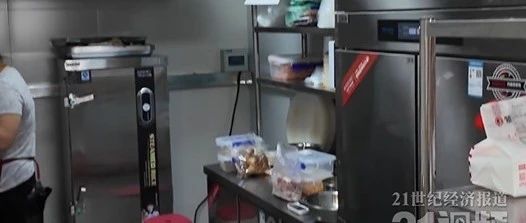
Core Viewpoint - The article discusses the competitive landscape of the food delivery market in China, highlighting the initiatives by major platforms like Meituan and JD.com to enhance food safety and consumer trust through new restaurant models, namely "Raccoon Canteen" and "Seven Fresh Kitchen" [1][2][8]. Group 1: New Business Models - Meituan launched the "Raccoon Canteen" brand on July 1, aiming to establish 1,200 locations nationwide over the next three years, focusing on traceability and food safety [1][14]. - JD.com opened its first "Seven Fresh Kitchen" in Beijing in July, with plans to invest over 10 billion yuan to establish more than 10,000 locations within three years [1][9]. - Both models represent a shift in the traditional food delivery industry, providing consumers with more dining options while exploring supply chain security and food safety [1][2]. Group 2: Operational Differences - "Seven Fresh Kitchen" operates on a self-managed model, aiming to capture business from "ghost kitchens," while Meituan emphasizes not competing directly with merchants [4][5]. - JD.com’s model involves a partnership with merchants, where JD.com covers costs related to rent, labor, and operations, while merchants focus on product development [4][9]. - Meituan's "Raccoon Canteen" aims to support merchants by providing infrastructure and ensuring food safety compliance through digital processes [5][14]. Group 3: Food Safety Initiatives - The "Raccoon Canteen" features 24-hour surveillance with cameras to monitor food preparation, enhancing transparency and safety [7][14]. - JD.com emphasizes strict selection of suppliers and quality assurance, which helps reduce consumer trust costs associated with food safety [9][14]. - Both companies are seen as taking a stand against "ghost kitchens," aiming to improve the overall perception of food safety in the delivery industry [14]. Group 4: Market Impact and Challenges - The rapid expansion plans of both companies could significantly alter the competitive dynamics in the food delivery market, with Meituan targeting 1,200 locations and JD.com aiming for 10,000 [1][11]. - The success of these new models will depend on their ability to scale effectively while maintaining quality and safety standards [2][11]. - The article notes that the restaurant industry is a low-barrier entry point for entrepreneurs, and the entry of large tech companies may disrupt traditional small businesses [2].
21现场|美团、京东开食堂 :开辟价格战之外新战场
2 1 Shi Ji Jing Ji Bao Dao· 2025-08-06 04:01
Core Viewpoint - The takeaway from the articles is that the food delivery market is experiencing significant changes, particularly in terms of food safety and competition, as major players like Meituan and JD.com launch new initiatives to enhance consumer trust and operational standards in the industry [1][9]. Group 1: Market Dynamics - The food delivery market is currently characterized by a price war and a focus on food safety, with major platforms committing to promotional regulations amid regulatory pressures [1]. - Meituan and JD.com have both announced ambitious plans to establish numerous new food service outlets, with Meituan's "Raccoon Canteen" aiming for 1,200 locations and JD.com's "Seven Fresh Kitchen" targeting over 10,000 locations within three years [1][9]. Group 2: Business Models - JD.com's Seven Fresh Kitchen operates on a self-operated model, aiming to capture market share from "ghost kitchens," while Meituan emphasizes not competing directly with merchants [3][6]. - The operational model of Seven Fresh Kitchen involves JD.com financing the entire supply chain, while merchants focus on product development, contrasting with Meituan's approach of providing infrastructure support to merchants [3][4]. Group 3: Food Safety Initiatives - Meituan's Raccoon Canteen implements a "fully visible and traceable" operation principle, featuring 24-hour surveillance and real-time monitoring to ensure food safety [4][9]. - JD.com claims that all ingredients used in Seven Fresh Kitchen are rigorously selected from reputable suppliers, enhancing consumer trust through the "JD Self-operated" label [6][9]. Group 4: Industry Impact - The entry of large tech companies into the food delivery space is expected to disrupt traditional small businesses, raising concerns about the sustainability of smaller operators in an increasingly competitive market [2][9]. - Both Meituan and JD.com are seen as taking steps to combat "ghost kitchens," with their initiatives potentially leading to improved standards and consumer benefits in the food delivery sector [9].
早报 | 免费学前教育要来了;“跑楼小孩”被叫停;浙大一青年博导被曝坠楼身亡;名古屋希望与友好城市南京恢复交流
虎嗅APP· 2025-08-06 00:40
Group 1 - The State Council of China has announced that from the autumn semester of 2025, public kindergartens will waive the childcare education fees for children in their final year [2][3] - The policy aims to promote free preschool education and will also apply to private kindergartens, which will reduce fees based on the standards set by local public kindergartens [2][3] - Financial support will be provided to kindergartens that experience a decrease in income due to the fee waiver, based on the number of children affected and local fee levels [2][3] Group 2 - Chery Automobile has initiated an internal directive to reduce meeting times and improve efficiency, aiming to cut company-level meetings by 30% and reduce attendees by 30% [22] - The chairman of Chery emphasized the need for leaders to minimize meeting times and focus on more effective communication [22] Group 3 - Alibaba's Taobao is set to launch a new membership system that integrates services from its subsidiaries like Ele.me, Fliggy, and Hema, enhancing user benefits across shopping, food delivery, and travel [23] - The new membership will offer comprehensive coverage of consumer needs, with promotional offers already appearing on Hema's app [23] Group 4 - Vanke has announced that the Shenzhen Metro Group will provide a loan of up to 1.681 billion yuan, marking the eighth loan agreement this year [24][25] - The announcement did not specify collateral for this loan, indicating a shift in the terms of their financial arrangements [24][25] Group 5 - Geely has confirmed an internal restructuring of its autonomous driving teams, merging various teams into a single entity to streamline operations [26] - The company plans to communicate further details about the restructuring at an appropriate time [26] Group 6 - Beiyinmei has responded to reports of price increases for its products, asserting that there have been no price hikes and emphasizing its commitment to maintaining affordable prices for consumers [27] - The company highlighted its adherence to a profit margin policy and its role in supporting families through national subsidy initiatives [27]


新华财经周报:7月28日至8月3日
Xin Hua Cai Jing· 2025-08-03 11:15
Economic Developments - The China-US economic talks held in Stockholm focused on resuming the suspended 24% tariffs and countermeasures, with a 90-day extension agreed upon [1][2] - The State Council approved the "Artificial Intelligence+" action plan to promote the commercialization of AI, leveraging China's complete industrial system and large market scale [2] - The People's Bank of China emphasized the implementation of a moderately loose monetary policy to support technology innovation, consumption, and small enterprises [3] Financial Performance - In the first half of the year, state-owned enterprises reported total operating revenue of approximately 4.07 trillion yuan, a year-on-year decrease of 0.2%, and total profits of about 218.25 billion yuan, down 3.1% [4] - The manufacturing PMI for July was reported at 49.3%, a decline of 0.4 percentage points from the previous month, marking the first drop in four months [6] Policy Initiatives - The Ministry of Finance announced a budget of around 90 billion yuan for childcare subsidies, with applications set to open in late August [1][4] - The National Development and Reform Commission emphasized the need to stabilize investment and promote consumption, aiming to enhance market vitality [5] International Trade Relations - The US Federal Reserve maintained its interest rate target range, with internal dissent emerging regarding future rate decisions [6][10] - The global trade friction index showed a decrease of 13% year-on-year, influenced by the suspension of certain US tariffs [6]
经济热力站|京东七鲜小厨:10亿现金招募“菜品合伙人” 3年建设10000家门店
Xin Lang Ke Ji· 2025-08-02 12:27
Core Insights - JD.com has launched a nationwide recruitment for "Dish Partners" under its "Seven Fresh Kitchen" initiative, with over 66,000 applications received in the first week [1] - The company plans to invest 10 billion yuan to recruit partners for 1,000 signature dishes and aims to establish over 10,000 Seven Fresh Kitchens nationwide within three years [1] - The initiative addresses the traditional restaurant industry's challenges, including high rent and labor costs, and aims to promote healthy development in the food delivery sector through supply chain innovation [1] Recruitment and Partnership Model - The "Dish Partner" recruitment allows partners to provide recipes and participate in development without incurring startup costs or labor expenses, enabling nationwide sales [3] - Winning partners will receive a guaranteed cash share of 1 million yuan, with no cap on subsequent sales revenue [3] - JD.com will cover all rental, labor, and operational costs, allowing partners to focus solely on recipe development and quality ingredient supply chain collaboration [3] Sales and Market Performance - The first store of Seven Fresh Kitchen achieved an average of over 1,000 orders per day in its first week, with a 220% higher repurchase rate compared to industry averages [3] - The initiative has positively impacted surrounding restaurants, with a 12% increase in overall orders within a 3-kilometer radius [3] Food Safety Measures - Seven Fresh Kitchen implements four key food safety measures: sourcing from reputable suppliers, using high-quality processing facilities, maintaining a transparent kitchen environment, and live-streaming the cooking process [6] - The initiative aims to resolve consumer concerns regarding food safety and enhance the quality of food delivery services [6] Commitment to Partners - JD.com emphasizes its commitment to ensuring that partner merchants do not incur losses and aims to prevent exploitation of restaurants by delivery platforms [4]