扫地机器人

Search documents
AWE2026观察丨扫地机器人持续进化:格局生变,技术破局,生态延伸
雷峰网· 2026-03-16 03:44
Core Viewpoint - The article discusses the evolution and future potential of robotic vacuum cleaners, highlighting their integration of advanced technologies and their role in enhancing consumer convenience and smart home ecosystems [2][19]. Industry Trends and Changes - The competitive landscape of the robotic vacuum market remains unsettled, with new entrants and established players continuously evolving [3][4]. - Notable absences and new players were observed at AWE2026, including the absence of Yunji and the introduction of the AI steam cleaning robot series by the newly listed smart home brand, Yingshi [4][6]. Technological Innovations - The article emphasizes that despite years of development, robotic vacuums are not facing innovation bottlenecks, with various companies showcasing diverse technologies aimed at improving cleaning capabilities [10][11]. - Key strategies for enhancing cleaning efficiency include the use of higher temperatures for sterilization, dual-channel designs for dry and wet separation, and the introduction of replaceable cleaning pads [12][14]. Market Performance - Yingshi reported a revenue of 5.901 billion yuan in 2025, marking an 8.44% year-on-year increase, with a notable rise in overseas revenue contributing to nearly 40% of total sales [7][8]. - iRobot, now under new ownership, showcased new products that incorporate advanced cleaning technologies, indicating a potential resurgence in the competitive landscape [8]. Ecosystem Expansion - Companies like Stone Technology and Chasing have expanded their business beyond robotic vacuums into broader smart home solutions, with Stone introducing washing machines that utilize advanced cleaning technologies [20][21]. - The article notes that the evolution of robotic vacuums into multifunctional smart home devices reflects a shift towards integrated smart living solutions [19][23].

全球高端第一,扫地机迎来追觅时刻
雷峰网· 2026-03-15 14:27
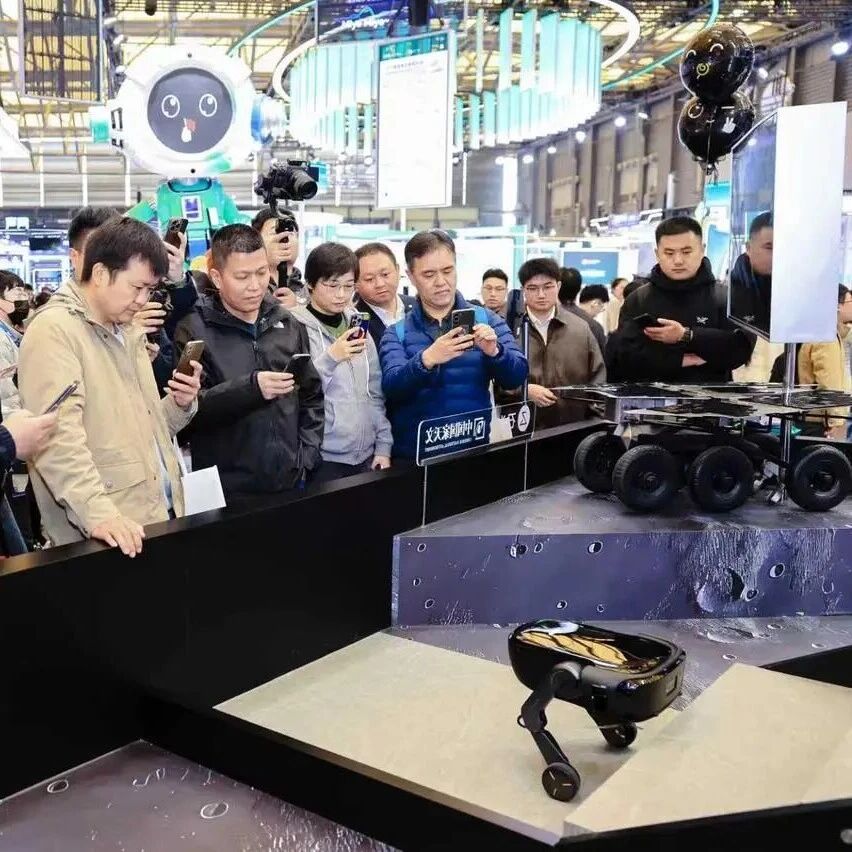
Core Viewpoint - The article discusses how a Chinese company, ChaseMe, has become a global leader in the high-end vacuum cleaner market through innovative technology and strategic market positioning [4][30]. Group 1: Product Innovations - ChaseMe showcased three innovative products at AWE 2026, including the X60 Pro with a second-generation bionic mechanical arm, the X60 Pro Steam with 160°C steam technology, and an all-in-one household robot [3][10]. - The X60 Pro features a second-generation bionic mechanical arm that extends the cleaning capabilities to hard-to-reach areas, addressing user pain points related to cleaning corners and tight spaces [11][20]. - The X60 Pro Steam utilizes 160°C steam to effectively clean stubborn stains and eliminate 99.99% of bacteria, providing a significant improvement in cleaning efficiency and safety for families with children and pets [22][23]. Group 2: Market Performance - ChaseMe achieved the highest market share in the global vacuum cleaner market, leading in 30 countries and regions, with over 40% market penetration in 18 countries, including Germany and Sweden [6][30]. - The brand experienced explosive growth in Brazil, with sales increasing by over 4000% during Black Friday, and dominated the VACUUM WARS annual rankings in the U.S. [6][30]. - In the competitive Chinese market, ChaseMe maintained the top market share during the Spring Festival period, further solidifying its position in the high-end segment [7][30]. Group 3: Strategic Approach - ChaseMe's strategy focuses on high-end positioning rather than competing on price, emphasizing long-term brand building and technological innovation to address real user needs [30][32]. - The company employs a user co-creation methodology, conducting in-depth market research to understand consumer pain points and adjust product offerings accordingly [33][34]. - The global strategy includes localized approaches tailored to regional consumer habits, ensuring that products meet specific market demands while providing robust customer service [36][37]. Group 4: Future Outlook - ChaseMe's commitment to high-end innovation is seen as a long-term experiment, with the company actively engaging in global markets to validate its strategies [40][41]. - The integration of bionic arms, high-temperature steam, and embodied intelligence in its products is redefining the future of home cleaning and smart home technology [43][44].

“扫地茅”石头科技去哪儿了
Xin Lang Cai Jing· 2026-02-11 11:13
Core Viewpoint - The article discusses the challenges faced by Stone Technology, a leading player in the robotic vacuum market, as it attempts to regain its former glory while navigating increased competition and financial difficulties. Company Overview - Stone Technology, once valued at nearly 100 billion yuan with a peak stock price of 1494.99 yuan per share in 2021, has seen its market capitalization drop to 39.4 billion yuan, a decline of over 50% [3][4][26][27]. - The company is attempting to diversify its revenue streams by entering the washing machine market and exploring opportunities in the electric vehicle sector, but these efforts have not yet yielded significant results [5][28][39][40]. Market Position and Competition - In the global robotic vacuum market, Stone Technology is currently ranked second with a market share of 23.69%, closely trailing behind Ecovacs, which holds 24.8% [8][31]. - The competition is intensifying, with new entrants like DJI and traditional appliance giants such as Midea and Haier entering the market, leveraging their supply chain advantages [8][31]. Financial Performance - For the first three quarters of 2025, Stone Technology reported revenue exceeding 12 billion yuan, a year-on-year increase of 72%, but its net profit fell by nearly 30% [10][33]. - The company's cash flow from operating activities turned negative for the first time since 2020, with a net cash flow of -1.06 billion yuan [10][33]. Marketing and Brand Strategy - Stone Technology's high marketing expenses have been a significant burden, with sales costs reaching 3.18 billion yuan in the first three quarters of 2025, a 103% increase year-on-year [11][34]. - The company is considering high-profile marketing strategies, such as sponsoring the CCTV Spring Festival Gala, to enhance brand visibility and consumer recognition [14][37]. Future Prospects - The company is exploring advanced robotic technologies, as demonstrated at CES 2025, where it showcased a new robot capable of navigating complex environments [20][43]. - However, the transition to more advanced robotics presents challenges, including higher costs and increased competition, raising concerns about the company's ability to maintain its competitive edge [21][44].

2026年石头科技公司深度报告:新业务大幅减亏+扫地机行业竞争缓和,2026年净利率迎来拐点(附下载)
Xin Lang Cai Jing· 2026-02-09 10:20
Core Viewpoint - The company's stock price has declined since Q3 2025, primarily due to losses in the domestic vacuum cleaner business and concerns over net profit margins amid industry competition [1][7] Group 1: Financial Performance - The company's net profit margin decreased significantly in 2025, mainly attributed to losses in non-vacuum cleaner businesses, with expected losses of 500-600 million yuan in washing machines, approximately 200 million yuan in floor scrubbers, and around 100 million yuan in lawn mowers [2][8] - The estimated net profit margin for vacuum cleaners in 2025 is around 13%, with expectations of reduced losses in 2026 across various product lines [2][8] - The company anticipates that external sales of vacuum cleaners will maintain over 20% revenue growth, while internal sales may not significantly impact overall net profit [2][9] Group 2: Market Dynamics - The domestic vacuum cleaner business faced losses in Q3 2025 due to the suspension of government subsidies and competitive pricing strategies from industry peers, leading to a decision to maintain market share during peak sales periods [1][7] - In North America, the net profit margin for vacuum cleaners is expected to be in the mid-single digits, with improvements anticipated as production capacity in Vietnam meets demand and tariffs decrease [3][9] - The European market is projected to have a vacuum cleaner net profit margin close to 20%, driven by rapid expansion in Southern European countries [3][9] Group 3: Competitive Landscape - The company's product strategy focuses on "more features without increasing prices," which has led to higher costs compared to competitors like Ecovacs, which employs a cost-reduction strategy [4][10] - The marketing efficiency of Ecovacs' lower-cost products has allowed it to compete effectively against the company's higher-cost offerings, resulting in a divergence in net profit margins [5][12] - The company plans to introduce more roller products in 2026 to address competitive pressures and improve its market position [6][12]
科沃斯(603486):2025 年业绩预告点评:业绩收入大幅增长,滚筒产品提振中高端份额
Shenwan Hongyuan Securities· 2026-02-05 09:58
Investment Rating - The report maintains a "Buy" rating for the company [1] Core Insights - The company is expected to achieve a significant increase in revenue and profit for the year 2025, with a projected net profit of 1.7 to 1.8 billion yuan, representing a year-on-year increase of 111% to 123% [4] - The company's Q4 performance is anticipated to show a net profit of 282 to 382 million yuan, reflecting a year-on-year growth of 48% to 100% [4] - The introduction of new products, particularly the rolling drum vacuum cleaners, has contributed to rapid growth in both domestic and international sales, enhancing the company's market share in the mid-to-high-end segment [6] Financial Data and Profit Forecast - The company forecasts total revenue of 19.94 billion yuan for 2025, with a year-on-year growth rate of 20.5% [5] - The projected net profit for 2025 is 1.755 billion yuan, with a year-on-year growth rate of 117.7% [5] - The earnings per share (EPS) is expected to reach 3.03 yuan in 2025, with a gross margin of 48.7% [5] - The return on equity (ROE) is projected to be 20.4% for 2025 [5] - The company has adjusted its profit forecasts for 2025 to 1.755 billion yuan, down from a previous estimate of 1.975 billion yuan, while maintaining a positive outlook for revenue growth [6]

科沃斯(603486):业绩收入大幅增长,滚筒产品提振中高端份额
Shenwan Hongyuan Securities· 2026-02-05 09:12
Investment Rating - The investment rating for the company is "Buy" (maintained) [1] Core Insights - The company is expected to achieve a significant increase in revenue and profit for the year 2025, with a projected net profit of 1.7 to 1.8 billion yuan, representing a year-on-year increase of 111% to 123%. The non-recurring net profit is expected to be between 1.6 to 1.7 billion yuan, with a year-on-year increase of 123% to 137% [4] - The company's Q4 performance is slightly below expectations due to a reduction in national subsidies, which impacted profit margins [4] - The introduction of new products, particularly the rolling mop and water-washing products, has driven rapid growth in both domestic and international sales, enhancing the company's market share in the mid-to-high-end segment [6] - The company is expanding into new product categories, such as window-cleaning robots and lawn mowers, which are expected to contribute to revenue growth in 2025 [6] Financial Data and Profit Forecast - The total revenue for 2025 is projected to be 19.94 billion yuan, with a year-on-year growth rate of 20.5%. The net profit for the same year is expected to be 1.755 billion yuan, reflecting a year-on-year growth rate of 117.7% [5] - The gross profit margin is expected to be 48.7% in 2025, with a return on equity (ROE) of 20.4% [5] - The company has adjusted its profit forecast for 2025 to 1.755 billion yuan, down from a previous estimate of 1.975 billion yuan, while maintaining a growth outlook of 118% for the same year [6]
自断主营业务、营收砍半,一家老牌OEM扫地机器人公司的转型豪赌|Insight全球
36氪· 2026-02-04 09:39
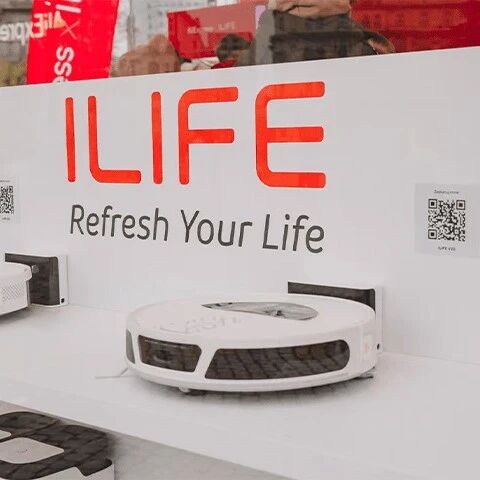
Core Viewpoint - ILIFE has transitioned from being an OEM manufacturer to focusing entirely on its own brand, showcasing the evolution of Chinese manufacturing from export-oriented to brand-oriented strategies. The company's sales on AliExpress increased by over 300% in 2025, with significant success in the Polish market, where it became a leading cleaning brand [4][5][18]. Group 1: Company Transformation - ILIFE was previously a typical OEM factory, producing over 2 million units annually for various brands, including Ecovacs and Lukas [7][13]. - In 2024, ILIFE made a decisive choice to stop OEM operations and concentrate on its own brand, despite a short-term revenue decline from over 1 billion yuan to below 500 million yuan [17]. - The shift allowed ILIFE to gain direct market feedback, enhancing product development and responsiveness to consumer needs [17][18]. Group 2: Market Strategy - ILIFE chose to avoid the trend of adding excessive features to its products, instead focusing on the core cleaning function and cost-effectiveness [21][23]. - The company targets the mid to lower market segments, offering competitive pricing by integrating advanced features typically found in higher-end models into more affordable products [23][25]. - ILIFE's cost control measures, including in-house production and logistics, enable it to offer products that are generally 10-20 USD cheaper than competitors [24][25]. Group 3: Consumer Engagement - ILIFE utilizes direct communication with consumers through platforms like AliExpress, allowing for rapid product iteration based on real-time feedback [17][25]. - The company has successfully addressed specific consumer needs, such as the demand for "live water washing" technology, by being proactive in product development [25]. - This approach has positioned ILIFE as a significant player in the overseas market, demonstrating the potential for Chinese brands to thrive internationally [25].
自断主营业务、营收砍半,一家老牌OEM扫地机器人公司的转型豪赌|Insight全球
3 6 Ke· 2026-02-04 01:25
Core Insights - ILIFE, once an OEM factory with an annual output of over 2 million units, has decided to completely cease its OEM business and focus on its own brand starting in 2024 [3][12] - In 2025, ILIFE's sales on AliExpress grew by over 300% year-on-year, with sales in Poland exceeding $10 million, indicating a significant shift in brand strategy [2][13] - The transition from OEM to a consumer-focused brand reflects a broader evolution in Chinese manufacturing from "exporting" to "brand exporting" [5][12] Company Strategy - ILIFE's decision to stop OEM production was driven by the need to shift from a client-order dependency to a user-centric approach, allowing for direct consumer feedback and product development [11][12] - The company has adopted a strategy of focusing on the essential cleaning functions of its products rather than adding excessive features, targeting the mid to lower market segments [15][16] - Cost control measures have been implemented across all stages of production, resulting in competitive pricing that is typically $10-20 cheaper than similar products [16][18] Market Position - ILIFE has positioned itself as a "national-level" cleaning brand in Poland, achieving significant market penetration with one in ten households using its products [2][13] - The brand's growth is supported by a strong performance on e-commerce platforms, where it has outperformed competitors like Amazon during key sales events [2][13] - The company has effectively utilized real-time consumer feedback to iterate on product design, enhancing features based on direct user input [12][18]


科沃斯(603486):海外扫地机高增 国内经营承压静待拐点
Xin Lang Cai Jing· 2026-02-03 06:26
Core Viewpoint - The company expects significant growth in net profit for 2025, with projections of 1.7 to 1.8 billion yuan, representing a year-on-year increase of 110.9% to 123.3% [1] Group 1: Performance Forecast - The company anticipates a net profit of 1.6 to 1.7 billion yuan after deducting non-recurring items for 2025, reflecting a year-on-year increase of 123.4% to 137.4% [1] - For Q4 2025, domestic sales are expected to be under pressure due to high base effects from government subsidies, with sales of floor and washing machines projected to decline by 27% and 24% respectively [1] - The overseas business is expected to maintain rapid growth, driven by strong sales of the drum-type robotic vacuum cleaners [1] Group 2: Profitability and Market Conditions - Profit margins may be impacted by foreign exchange losses and intensified price competition during major promotional events [1] - The appreciation of the RMB in Q4 is anticipated to lead to foreign exchange losses, while increased discounting due to domestic competition and overseas promotional pricing may affect profitability [1] - In 2026, the company is expected to outperform the industry in revenue growth, with domestic profit margins likely to recover due to product innovation and improved competitive dynamics [1] Group 3: Revenue and Profit Projections - The company forecasts revenues of 19.2 billion yuan, 22.1 billion yuan, and 25.1 billion yuan for 2025 to 2027, representing year-on-year growth of 16%, 15%, and 14% respectively [2] - The projected net profit for the same period is 1.8 billion yuan, 2.1 billion yuan, and 2.5 billion yuan, with year-on-year increases of 119%, 20%, and 20% respectively [2] - The company is actively pursuing opportunities in emerging industries related to embodied intelligence, indicating a focus on long-term growth potential [2] Group 4: Valuation and Investment Rating - Based on comparable company valuations, a PE ratio of 25x is suggested for 2026, leading to a target share price of 92.25 yuan [2] - The company maintains an "overweight" rating, reflecting confidence in its growth trajectory and market position [2]
护城河也会干涸,如果没有“再投资能力”
雪球· 2026-01-31 04:21
Core Concept - The article discusses the concept of "economic moats" as defined by Morningstar, emphasizing the importance of a company's ability to generate excess returns over a long period [6][7][8]. Group 1: Economic Moat Definition and Characteristics - Economic moats are defined as a company's ability to maintain excess returns, with a wider moat indicating a slower decline into mediocrity [8]. - Morningstar categorizes economic moats into three types: Wide Moat, Narrow Moat, and No Moat, with specific quantitative definitions and characteristics for each [10]. - A company with a Wide Moat is expected to sustain excess returns for at least 20 years, while a Narrow Moat can maintain excess returns for at least 10 years [9][10]. Group 2: Importance of Valuation - Valuation is crucial in assessing moat companies, with Morningstar advocating for a dynamic valuation standard based on the certainty of a company's business model [17][18]. - Different levels of uncertainty in a company's valuation require varying degrees of discount for buying and premium for selling [20]. - The article highlights that a more nuanced approach to valuation, based on business models, is more aligned with market realities than a blanket tolerance for good companies [21]. Group 3: ETF and Performance Comparison - Morningstar's moat investment philosophy is encapsulated in the VanEck Morningstar Wide Moat ETF (MOAT), which has been in existence since 2012 [22]. - As of the end of 2025, the MOAT ETF underperformed the S&P 500 index, primarily due to the recent market dynamics dominated by a few large-cap stocks [23][25]. - Despite underperforming the S&P 500, the MOAT ETF still showed better performance compared to an equal-weighted S&P 500 index [25]. Group 4: Evolution of Moat Concept - The article references Pat Dorsey, who expanded on the moat concept after leaving Morningstar, introducing categories like Legacy Moat and Reinvestment Moat [27][28]. - Legacy Moat companies have strong competitive advantages but limited growth opportunities, while Reinvestment Moat companies can reinvest profits into high-return opportunities [28]. - The article also discusses the emergence of Capital Light Compounders, which leverage network effects for growth with minimal capital investment [29].