
Residential Real Estate

Search documents
票选 | 2025年度全国十大轻奢作品
克而瑞地产研究· 2025-12-20 07:08
Core Viewpoint - The 2025 National Top Ten Works public voting phase has commenced, allowing the public to vote for their favorite high-end, light luxury, and quality residential products from December 19 to 25, 2023 [1][3]. Group 1: Voting Process and Timeline - The public voting channel is officially open from December 19 to 25, 2023, at noon [3]. - Prior to the public voting, expert evaluations of the shortlisted projects took place on December 18-19, 2023 [3]. - The final results will be announced in early January 2026, including the "National Top Ten High-end/Light Luxury/Quality Works" and "China Good House Comprehensive Award/Individual Award" [9]. Group 2: Project Evaluation and Categories - The evaluation process includes expert reviews, public voting, and assessment models [9]. - The voting for the top ten works is categorized into high-end, light luxury, and quality, using the same voting channel [10]. - Each participant can vote once per category, selecting up to ten projects [10]. Group 3: Industry Impact - The initiative aims to enhance product quality in the real estate sector, addressing living challenges and providing superior living solutions [9]. - Since 2018, the "Product Power 100" research has been conducted annually to assess the product strength of Chinese real estate companies [9].


November home sales struggle as supply stalls
CNBC· 2025-12-19 15:00
Core Insights - The housing market is facing challenges due to high home prices, elevated mortgage rates, and reduced supply, impacting potential homebuyers [1] - Sales of previously owned homes increased by 0.5% in November compared to October but were down 1% year-over-year, with an annualized sales rate of 4.13 million units [1][2] Supply and Inventory - The supply of homes for sale decreased in November, with 1.43 million homes available, representing a 5.9% decline from October but a 7.5% increase year-over-year [3] - At the current sales pace, the housing market has a 4.2-month supply of homes, indicating a tighter market compared to the balanced six-month supply [3] - Inventory growth is stalling, with distressed property sales at historic lows and homeowners reluctant to list their properties during winter months [4]

中建·玖玥府现房实景示范区开放
Bei Jing Shang Bao· 2025-12-19 06:56
Core Viewpoint - The article highlights the successful launch of the Zhongjian Jiuyuefu project, emphasizing its commitment to quality and customer satisfaction in the real estate market, particularly in Beijing's competitive landscape [1][2] Group 1: Project Launch and Sales Performance - The Zhongjian Jiuyuefu project opened its real-life demonstration area and hosted a product appreciation salon, focusing on the theme of "Good House Era Product Upgrade" [1] - In 2024, the project achieved a remarkable sales performance with 640 units signed, ranking it among the top two residential sales in Beijing, particularly in the Xihongmen area [1] - The project's ongoing popularity is attributed to its quality foundation and deep understanding of contemporary improvement customer needs [1] Group 2: Target Customer Segments - The typical customers of Zhongjian Jiuyuefu include young "sunshine elite families" who prioritize quality of life and are interested in smart, well-decorated homes, and second or multiple home buyers who value public area services and garden experiences [1] - The company has developed its offerings based on real customer needs, focusing on "99 fine craftsmanship details" across various dimensions such as community regulations, construction techniques, landscape design, spatial functionality, and clubhouse services [1] Group 3: Design and Amenities - The community entrance features a "Wings of Life" design, creating a recognizable homecoming interface, while the building facade uses aluminum panel lines and high-end coatings to enhance quality [2] - The project aims to create a valuable living platform beyond just physical space, with a 1,500 square meter clubhouse that includes amenities like a heated swimming pool, game rooms, fitness areas, and a dining hall for residents [2] - The landscape design integrates the concepts of "good house" and "good service," presenting various functional spaces that contribute to a high-quality living environment [2] Group 4: Future Plans - The Zhongjian Jiuyuefu project is set to welcome its delivery season next year, with the company committed to incorporating its craftsmanship ethos into urban development and continuing to lead residential standards [2]
杭州2868套豪宅逆市吸金442亿
3 6 Ke· 2025-12-19 02:57
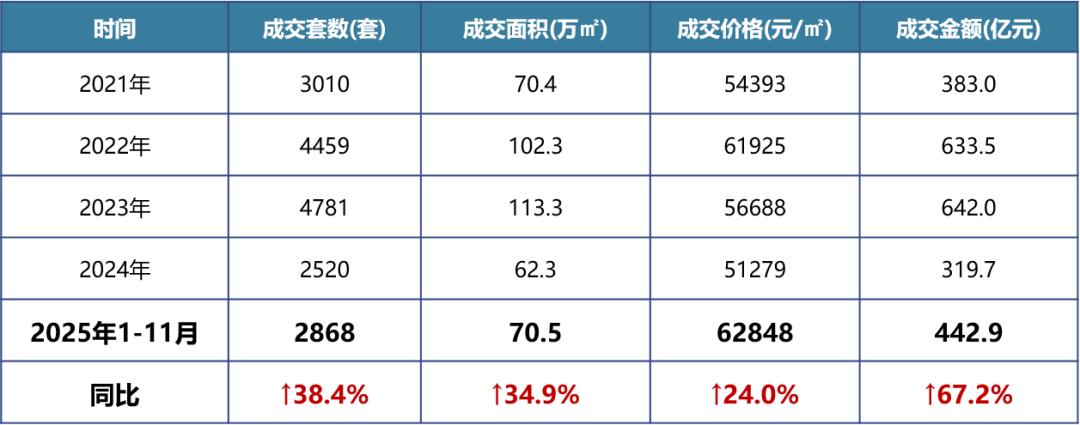
2025年的杭州楼市,上演着极致的"冰火两重天" :前 11 个月杭州住宅成交同比缩量近两成,但却有 442.9 亿资金涌入千万级豪宅市场,同比激增 67.2%,以2868套的成交量,撬动了市区超四分之一的购买力 。与此同时,高端市场内部则经历深刻的结构性分化: 低密别墅成交"现象级"增长:2025 年1-11月成交套数从 2024 年同期的不足 500 套增长至 1174 套,同比激增 157.5% ,占据高端市场总量的四成; 购买力跃升,向顶端冲刺:在1000-1500万 " 基础盘 " 稳固的同时, 1500 万以上市场份额提升近 25 个百分点,其中总价超 2500 万元的顶级豪宅提升 6.3 个百分点,显示出强烈的资产升级趋向; 需求向"核心"与"稀缺"高度聚集: 购买力强势汇聚于奥体、江湾新城、城东新城等新兴核心及拥有稀缺资源的板块,地段价值梯度拉大。 伴随供应放量,部分高端住宅项目去化压力显现,市场进入买方主导、基于稀缺性进行价值重估的新阶段。 量价逆势齐涨,创市场份额新高 2025年,杭州总价千万以上的高端住宅市场在整体楼市调整的背景下(2025年1-11月杭州市区商品住宅共计成交497.3万 ...
The Coming Buyer’s Market: 3 Moves To Make Now To Become a Homeowner in 2026
Yahoo Finance· 2025-12-18 14:17
Core Insights - The housing market is shifting, with increased inventory providing more options for buyers, while buyer activity remains soft, leading to longer market times and slightly lower prices compared to last year [2][3] Financial Preparation - Prospective buyers should take a comprehensive look at their financial situation, including assets and liabilities, to prepare for homeownership [4][5] - Reviewing credit reports is essential as credit profiles significantly influence mortgage options, interest rates, and overall borrowing costs [5] - It is advised to connect with a lender early to understand realistic expectations and necessary improvements for financing [6]
比房价上涨更揪心的事情来了,10年后购房者,或面临4大困境
Sou Hu Cai Jing· 2025-12-17 19:11
挂牌一年多,降价40万,依然卖不掉。这不是故事,而是当下许多二手房业主的真实困境。 当大多数人还在紧盯房价涨跌时,一些业主已经遭遇了更棘手的问题:房子根本卖不出去。降价也无人问津,房子从"资产"变成了实实在在的"冻产"。 数据显示,2025年一些三四线城市二手房挂牌量激增47%,成交量却暴跌超60%。房子正在失去流动性,这意味着急需用钱时无法变现,置换改善居住条件 也成了空谈。 在某个中部县级市,一套120平米的电梯房,2021年挂牌价120万,2022年降到90万,2023年降到75万,至今仍在挂牌。业主从最初的"每周催中介",到后来 的"接受全款大刀砍",再到现在的"只要有人买,价格好商量"。 过去,房子被视为最稳妥的资产,如今却陷入了"越降越没人买"的怪圈。一套房降价5%,看房的人会想"再等等,可能降10%";降价10%,买方又会猜 测"是不是房子有问题";等到降价20%,这套房反而会被贴上"劣质资产"标签。 房产流动性枯竭的问题不仅限于三四线城市。2025年,全国二手房挂牌量已激增至730万套,北京14.7万套,上海17万套,成都和武汉更突破了20万套。 购房时,大多数人只计算了首付和月供,很少认真考 ...

未来40-50年,高层住宅集中“爆发”3大问题!专家:沦为贫民窟?
Sou Hu Cai Jing· 2025-12-16 03:11
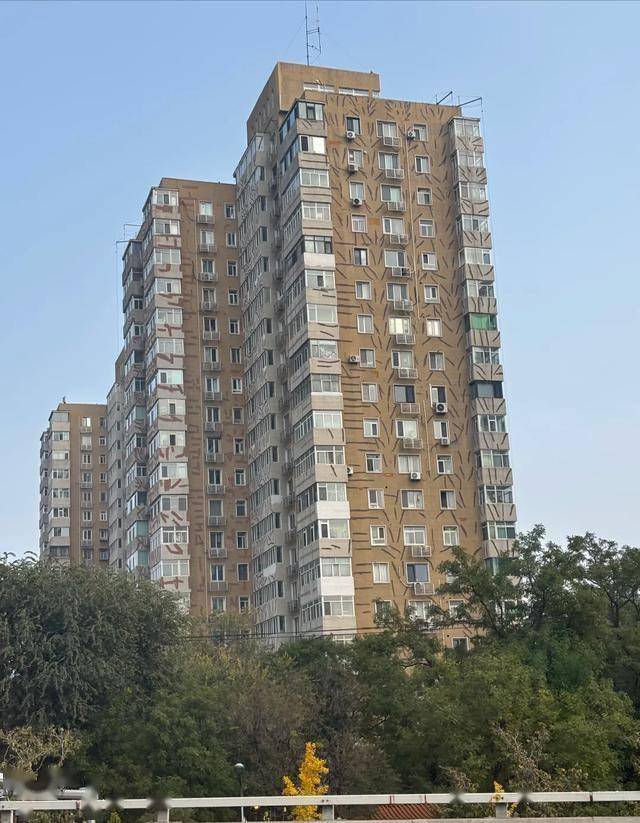
Core Viewpoint - The aging of high-rise residential buildings poses significant challenges, including maintenance issues, management difficulties, and demographic shifts, which could lead to a decline in living conditions and property values over time [1][14]. Group 1: Maintenance Issues - High-rise buildings face concentrated aging, leading to increased maintenance costs as essential components like facades, plumbing, and elevators reach their lifespan [3][5]. - Repairing high-rise buildings can be extremely costly, often requiring millions for major repairs, which raises concerns about the adequacy of maintenance funds [5]. - Many residents may lack the financial capability or willingness to invest in repairs, especially as younger residents move out, leaving behind older or lower-income households [5][11]. Group 2: Management Challenges - The management of high-rise buildings becomes increasingly difficult as they age, with rising costs leading to a decline in service quality [7][9]. - As property management quality deteriorates, issues such as reduced cleaning frequency and delayed maintenance can lead to a rapid decline in the overall condition of the community [9]. - A decline in community engagement and stability can exacerbate management challenges, making it harder to maintain order and quality in the living environment [11][12]. Group 3: Demographic Changes - Aging high-rise buildings may become "downwardly mobile" housing options, attracting lower-income or transient residents due to their lower prices and fixed sizes [11][12]. - As urban areas evolve, older high-rises lose their appeal compared to new developments, leading to a shift in the demographic profile of residents [11]. - The instability of resident demographics can further deteriorate community engagement and living conditions, potentially leading to a perception of decline or "ghettoization" [12][16]. Group 4: Future Outlook - High-rise buildings are not inherently problematic; their future viability depends on sustained investment in maintenance and management [14][16]. - Properties in prime locations with stable ownership and effective management can maintain good conditions even as they age [14]. - Buyers should consider long-term maintenance capabilities, demographic trends, and regional development when investing in high-rise properties, rather than focusing solely on initial appeal [14][16].
Opendoor Names President and CFO to Accelerate Next Chapter
Globenewswire· 2025-12-15 12:00
Core Insights - Opendoor Technologies Inc. has appointed Lucas Matheson as President and Christy Schwartz as CFO to drive the company's growth [1][4][5] - Matheson, previously CEO of Coinbase Canada, will focus on Corporate Development and exploring blockchain technology for homeownership [2][3] - Schwartz, who has been interim CFO, was chosen for her deep understanding of the business after a thorough external search [4][5] Executive Appointments - Lucas Matheson will officially join as President on December 22, 2025, bringing experience from Coinbase Canada and Shopify [2] - Christy Schwartz will take on the role of CFO effective January 1, 2026, having served as interim CFO [4] Strategic Focus - Matheson will oversee initiatives related to financial planning and the potential integration of blockchain technology in real estate [3] - The company aims to innovate in the real estate sector, which has seen limited financial innovation compared to other asset classes [4] Leadership Continuity - Shrisha Radhakrishna, who served as interim President, will continue as Chief Technology and Product Officer [5][6] - The leadership team is designed for speed, clarity, and impact, emphasizing the urgency of improving homeownership [6] Company Mission - Opendoor's mission is to simplify the process of buying and selling homes, aiming to support homeowners and aspiring homeowners [7]


国家统计局:11月70个大中城市商品住宅销售价格环比总体下降
Guo Jia Tong Ji Ju· 2025-12-15 01:37
Group 1 - In November 2025, the sales prices of commercial residential properties in 70 major cities showed a month-on-month decline, with an expanded year-on-year decrease [1][2] - In first-tier cities, new commercial residential property prices decreased by 0.4% month-on-month, with Shanghai increasing by 0.1% while Beijing, Guangzhou, and Shenzhen saw declines of 0.5%, 0.5%, and 0.9% respectively [1] - Second-hand residential property prices in first-tier cities fell by 1.1% month-on-month, with Beijing, Shanghai, Guangzhou, and Shenzhen experiencing declines of 1.3%, 0.8%, 1.2%, and 1.0% respectively [1] Group 2 - Year-on-year, new commercial residential property prices in first-tier cities decreased by 1.2%, with Shanghai increasing by 5.1% while Beijing, Guangzhou, and Shenzhen saw declines of 2.1%, 4.3%, and 3.7% respectively [1] - Second-hand residential property prices in first-tier cities dropped by 5.8% year-on-year, with Beijing, Shanghai, Guangzhou, and Shenzhen experiencing declines of 6.8%, 4.6%, 7.2%, and 4.8% respectively [2] - In second and third-tier cities, new commercial residential property prices fell by 2.2% and 3.5% year-on-year, with the declines expanding by 0.2 and 0.1 percentage points respectively [1]
'Suck It Up, Buttercup,' Dave Ramsey Tells Dad Moving To Nevada With A $342K Mortgage, A $2,809 Payment And A Baby Due Any Minute
Yahoo Finance· 2025-12-13 00:01
Core Insights - The article discusses the financial struggles of an individual named Ted, who is unable to sell his house while preparing for a job relocation, highlighting the challenges faced by homeowners in a rising interest rate environment [1][2][3]. Financial Situation - Ted purchased his home for $366,000 with a 5% down payment and a 7% interest rate, resulting in a monthly payment of $2,809, which consumes over 50% of his take-home pay from a $71,000 salary [2][3]. - Rising property taxes and home insurance have exacerbated his financial burden, leading him and his wife to decide to sell the house in January [2]. Selling Challenges - The house was listed on May 3, receiving two offers, including one for $350,000 with $14,000 in closing costs, but fees would leave them with a $30,000 loss at closing [2][3]. - The listing was removed when Ted's wife reached 38 weeks of pregnancy, complicating their situation further due to the overlapping timelines of the move, job change, and due date [3]. Relocation and Rent Concerns - Ted accepted a job offer in Nevada, but the timeline for the move fell apart as the house did not sell, creating uncertainty about managing rent in Nevada, which ranges from $1,800 to $2,100, alongside the mortgage payment in Raleigh [3][4]. Expert Advice - Personal finance expert Dave Ramsey advised Ted to relist the home to avoid falling further behind financially, warning that a delayed sale could lead to delinquency and potential foreclosure [5][7].