Mixue Bingcheng

Search documents
Launch of the 2025 International Supply Chain Conference of Chinese Cuisine: Supply Chain Becomes the Key to Breakthrough, Marking the "First Year of Industrialization" for Chinese Cuisine’s Global Expansion
Globenewswire· 2025-06-23 17:05
Core Insights - The "2025 International Supply Chain Conference of Chinese Cuisine" marks the beginning of a significant global expansion for Chinese cuisine, focusing on leveraging localization, standardization, and digitalization strategies to enhance international market penetration [1][28] - The global foodservice market is projected to reach USD 3.8 trillion by 2026, with Chinese cuisine's market share expected to grow to 10.8%, indicating a rapid internationalization trend [3] - The transformation of Chinese cuisine is shifting from merely selling dishes to exporting entire supply chains, redefining its competitiveness on the global stage [4][21] Market Growth - The international Chinese cuisine market grew from RMB 227.55 billion in 2020 to RMB 359.39 billion in 2024, reflecting a steady upward trajectory [5] - Chinese cuisine's internationalization is outpacing the overall growth of the global foodservice sector, with supply chain systems emerging as a new driver of this momentum [3] Strategic Initiatives - Leading brands like Haidilao and Nong Geng Ji are utilizing supply chain advantages to expand globally, with Haidilao opening over 100 outlets across 14 countries and regions [9][10] - The Chinese government is supporting the internationalization of Chinese cuisine through favorable policies, encouraging overseas expansion and the establishment of international partnerships [11] Consumer Demand - The expanding overseas Chinese population provides a stable consumer base for Chinese restaurant chains, particularly in regions like Southeast Asia and the United States [12] - Chinese cuisine holds the largest share of Asian cuisine in the U.S. foodservice market at 37.21%, with 33% of Americans consuming Chinese food at least once a month [13] Supply Chain Evolution - The overseas Chinese food market is transitioning from fragmented competition to systematic group-driven expansion supported by robust supply chain systems [16] - Successful brands are focusing on local adaptation and building integrated supply chains to ensure quality and consistency across markets [19][20] Key Trends in 2025 - Localization is essential for cultural and market integration, involving product adjustments and organizational adaptation [21] - Standardization ensures quality, consistency, and scalability through centralized kitchens and unified production protocols [22][24] - Digitalization enhances operational efficiency and real-time supply chain management, allowing for better responsiveness to market dynamics [22][25] Challenges and Opportunities - Despite the momentum, the industry faces challenges such as differing food safety regulations, labor policy constraints, and local taste preferences [27] - The conference serves as a platform for industry leaders to share insights and strategies for overcoming these challenges and accelerating globalization efforts [28]


Unfold Quality Growth with Global F&B Brands at FBIF2025
FBIF食品饮料创新· 2025-05-16 00:23
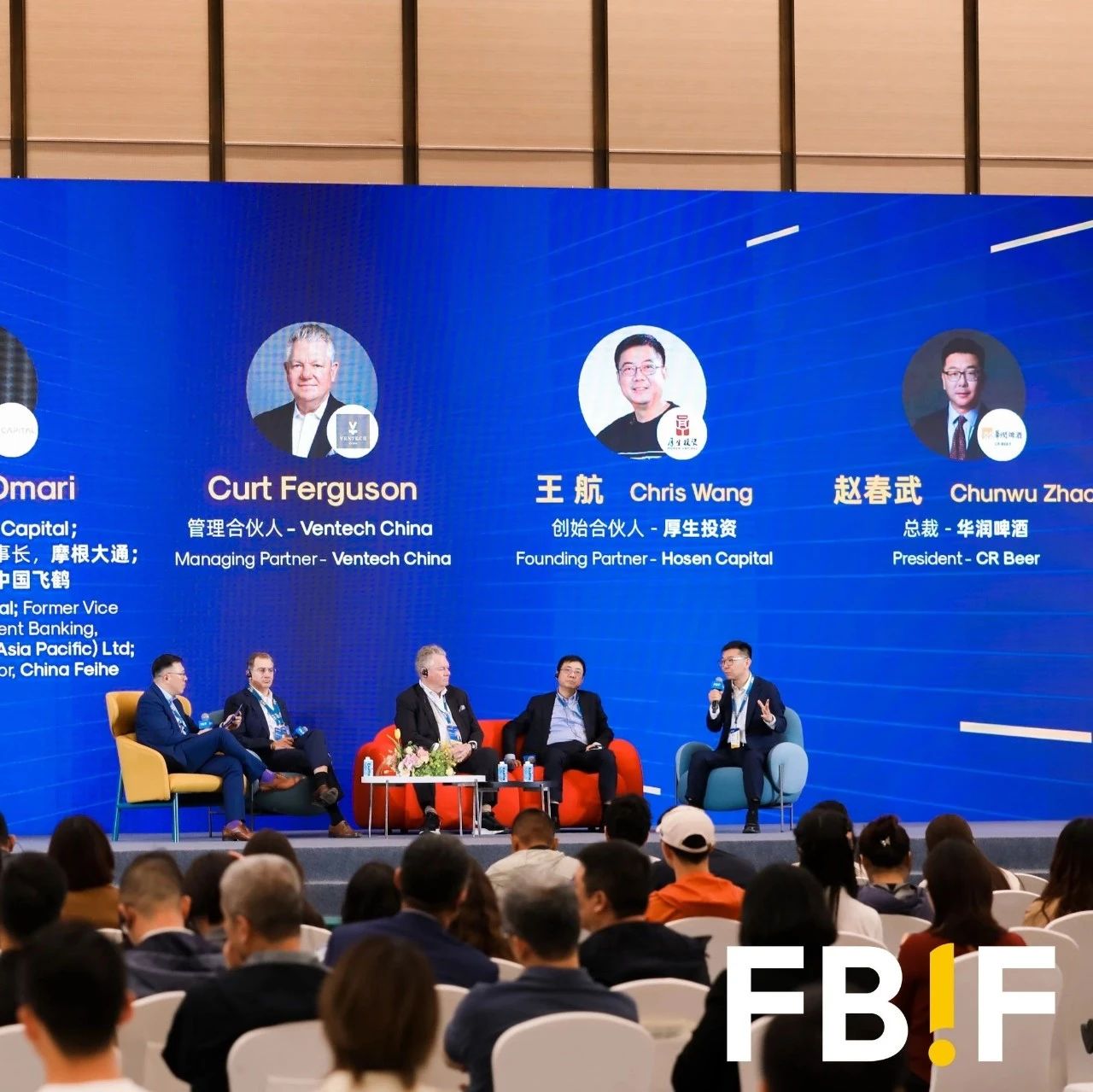
Core Insights - The theme of FBIF2025, "Nurture the Present, Venture Forward," addresses the need for companies in the food and beverage industry to maintain a solid foundation while exploring new growth opportunities amid market challenges [3][12][21] - The industry is transitioning from "high-speed growth" to "high-quality growth," requiring a balance between defensive and offensive strategies [6][7] Group 1: Current Market Challenges - Companies face rising supply chain costs, fragmented channels, and evolving retail models, necessitating refined operations and strategic resilience [3][4] - The consumer market is experiencing shifts, with trends such as the single-person economy and the silver economy injecting new vitality [16][17] Group 2: Growth Strategies - Companies must focus on maintaining core business resilience while being bold in exploring new markets and technologies [4][5] - The food and beverage industry is undergoing deep restructuring, with a rational pursuit of cost-effectiveness and value-for-money [15] Group 3: Insights from Industry Leaders - Executives from major companies like McDonald's China, Yili Group, and PepsiCo shared insights on growth, AI, digitalization, and supply chain management [8][9] - PepsiCo's strategy emphasizes long-termism, seizing emerging opportunities, human-centric differentiation, and enhancing organizational capability [22][24][28][29] Group 4: Technological Integration - AI is seen as a critical component for companies to navigate market cycles and enhance operational efficiency [20][34] - The integration of AI into retail is reshaping productivity and driving systemic transformation in business models [34][37] Group 5: International Expansion - Eastroc Beverage's international expansion strategy focuses on long-term planning, local market adaptation, and exploring various business models [70][73] - Yili Group emphasizes building a global resource network and engaging in partnerships to enhance its international presence [80][81] Group 6: M&A Strategies - The panel discussion highlighted the importance of talent integration and cultural compatibility in successful mergers and acquisitions [89][91] - Chinese companies are shifting their globalization strategies from exporting products to exporting capital, focusing on stability and gradual integration [90][96]