huanqiu.com

Search documents
Xinjiang at 70: A Thriving Showcase of Culture and Tourism
Globenewswire· 2025-09-19 08:09
Core Insights - Xinjiang Uygur Autonomous Region is experiencing significant growth in its tourism industry as it celebrates its 70th anniversary, driven by improvements in transport networks, smart services, and innovative cultural experiences [1] Tourism Growth - The region's inbound tourism market is benefiting from China's visa-free policy, now extended to 46 countries, leading to a notable increase in cross-border travel [3] - In the first half of the year, Dulata Port recorded 54,000 border crossings, a 71.54% year-on-year increase, while the Horgos International Border Cooperation Center welcomed 5.851 million visitors, up 65.73% [3] Infrastructure Development - Xinjiang has enhanced its transport infrastructure, with total highway mileage reaching 230,000 kilometers, including over 12,000 kilometers of expressways [4] - Urumqi Tianshan International Airport now operates 26 scheduled international passenger routes, improving accessibility for travelers [4] Smart Services - The region has upgraded its smart tourism platform, integrating various services such as ticket reservations and live-streaming, making exploration more convenient for tourists [5] - Digital technologies are transforming tourism services in Xinjiang, catering to the preferences of younger and international travelers [5] Cultural and Tourism Offerings - Xinjiang is diversifying its tourism offerings with activities like Silk Road cultural study tours, winter sports, and intangible cultural heritage performances, promoting year-round tourism [6] - The combination of culture, sports, and exhibitions enriches the visitor experience, showcasing the region's heritage and hospitality [6] Economic Impact - In 2024, Xinjiang received over 302 million visitors, generating a record revenue of 359.54 billion yuan [7] - In the first half of this year, the region welcomed 130 million visitors, with tourism spending reaching 142.56 billion yuan, reflecting year-on-year increases of 11.15% and 11.59% respectively [7]


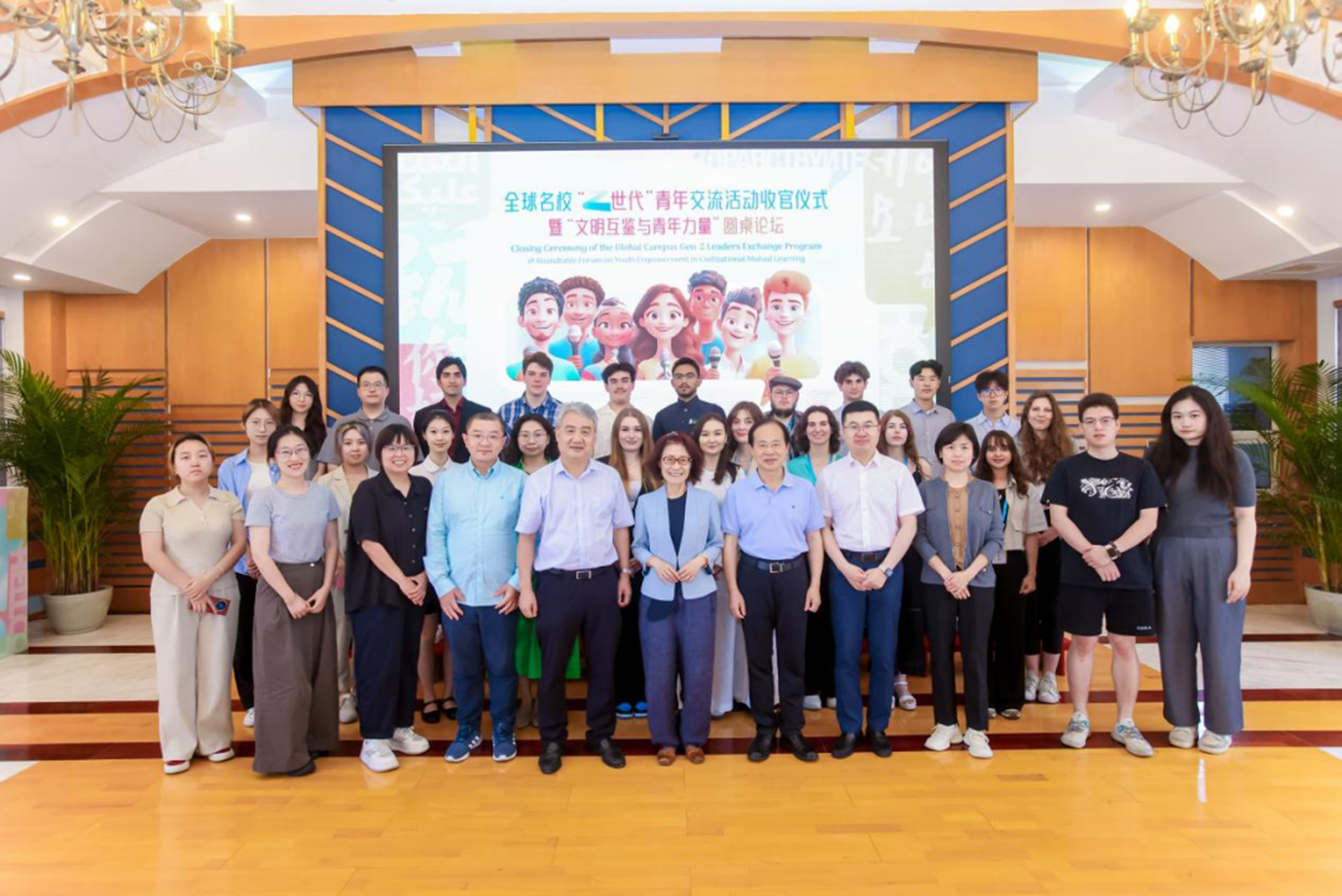
Global Campus Gen-Z Leaders Exchange Program Concludes in Beijing
Globenewswire· 2025-07-24 07:09
Company:huanqiu.com Contact Person: Liu Leqi Email: liuleqi@huanqiu.com Website: www.huanqiu.com Telephone: 0086-010-65361101 City: Beijing, China The event concluded with Gen-Z leaders and distinguished guests endorsing the Global Youth Initiative, calling on universities worldwide to adopt principles of openness, collaboration, and mutual benefit to build lasting cooperative frameworks. By integrating online and in-person engagement, the initiative aims to foster interdisciplinary, cross-cultural, and tra ...
Shared Civilizational Resonance: Media Dialogue Calls for Deeper Cooperation
Globenewswire· 2025-06-12 11:05
Core Perspective - The "International Editors-in-Chief Roundtable" emphasized the importance of enhancing cross-cultural dialogue and practical cooperation between China and Latin America to create a more balanced and inclusive international media landscape [1]. Group 1: Economic and Cultural Exchanges - Malik Sullemana highlighted the necessity of deepening economic and cultural exchanges between China and Latin America, envisioning a partnership based on shared destiny [3]. - Camila Escalante pointed out that the current global media environment requires cooperation founded on mutual respect and trust, with China–Latin America collaboration serving as a constructive model [3]. Group 2: Civilizational Exchanges and Technological Collaboration - Belal Deeb noted that civilizational exchanges between China and Latin America have advanced progress in education and technology, providing pathways for multicultural coexistence [4]. - Angelica Maria Sánchez Reyes observed that civilizational dialogue and technological collaboration are creating impacts that extend beyond traditional trade models [4]. Group 3: Achievements in Cultural Understanding - Bai Long reported that China has established nearly 200 sister-city partnerships with 17 Latin American countries, with Confucius Institutes and cultural centers acting as bridges for mutual understanding [5]. - Under the Belt and Road Initiative, projects like the Port of Chancay symbolize deeper and higher-quality cooperation between the regions [5]. Group 4: New Channels of Communication - Liu Zhen emphasized that short videos have emerged as a new medium for connecting different cultures, fostering vibrant people-to-people exchanges through authentic and diverse content [6]. Group 5: Shared Goals and Multilateralism - Liu Hong concluded that both China and Latin American countries share rich civilizational experiences and similar modernization goals, stressing the importance of multilateralism and mutual learning in globalization [7].

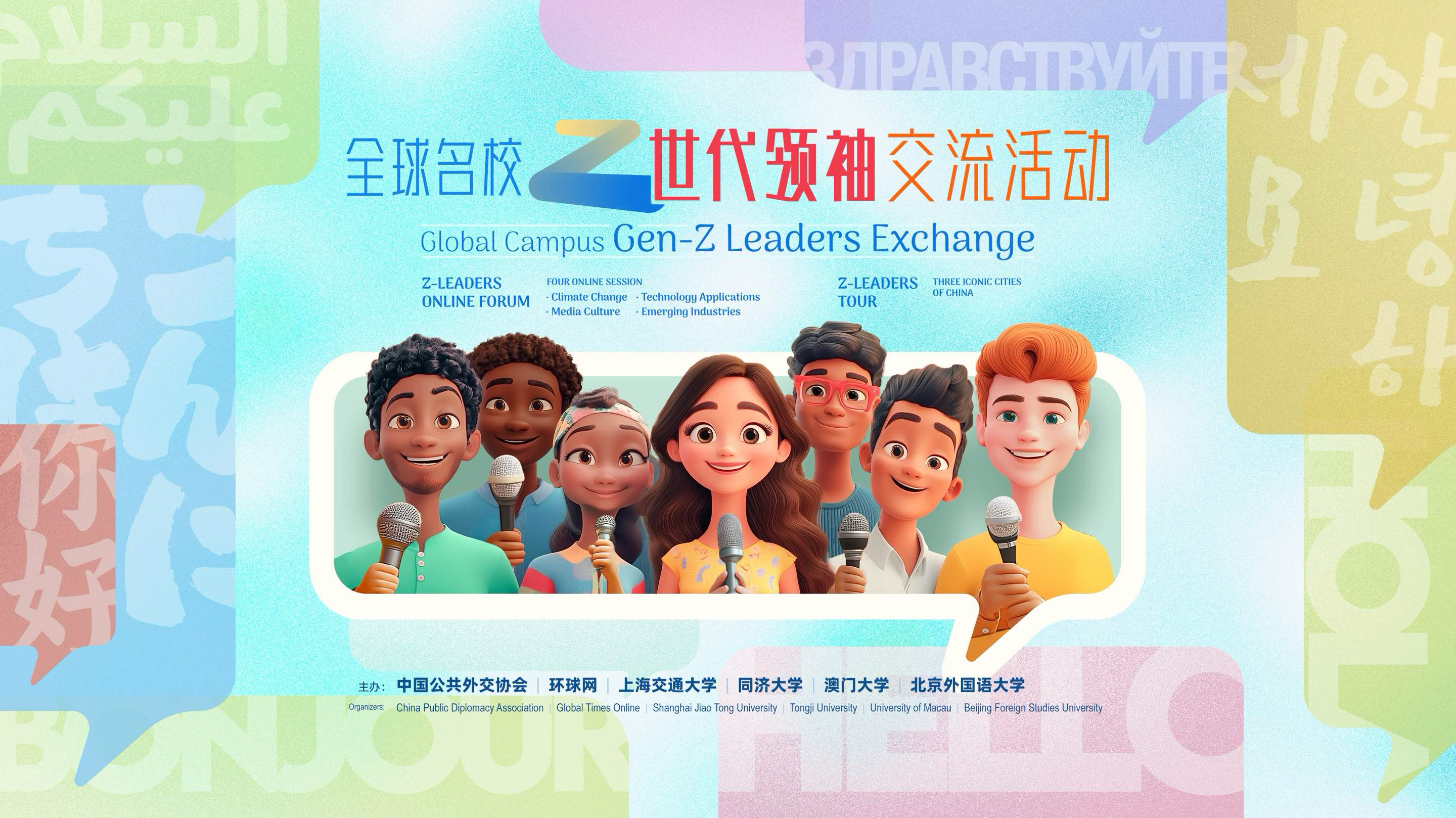
Global Campus Gen-Z Leaders Exchange Launched
Globenewswire· 2025-04-28 03:22
Core Viewpoint - The Global Campus Gen-Z Leaders Exchange program has been launched to foster international dialogue and collaboration among Generation Z leaders through various activities and initiatives [1][7]. Group 1: Program Components - The program includes two main components: the Z-Leaders Online Forum and the Z-Leaders Tour, engaging over 50 university media reporters and young representatives globally [3]. - The Z-Leaders Online Forum commenced on April 9th, featuring live discussions on global issues such as climate change, emerging industries, digital cultural dissemination, and AI applications [4]. - The Z-Leaders Tour will provide participants with opportunities to visit Chinese cities, enterprises, universities, research institutions, and cultural landmarks to experience China's development firsthand [6]. Group 2: Objectives and Initiatives - The initiative aims to create a global youth communication platform that is cross-language, multi-temporal, and multi-dimensional [3]. - Plans have been announced to establish a permanent Global Youth Alliance to connect students from prestigious universities worldwide, along with a Global Youth Cloud Initiative to tackle collective challenges [7].