
Innovation

Search documents
X @The Wall Street Journal
The Wall Street Journal· 2025-08-06 23:17
From @WSJopinion: The AI future goes to the innovators who can establish a global platform, not to the most cautious regulators, writes @aginnt https://t.co/jJYo73d52l ...
Dutch Bros(BROS) - 2025 Q2 - Earnings Call Transcript
2025-08-06 22:02
Financial Data and Key Metrics Changes - Revenue for Q2 was $416 million, representing a 28% increase or $91 million over the same quarter last year [30] - Adjusted EBITDA for the quarter was $89 million, an increase of 37% or $24 million year-over-year [33] - Adjusted EPS was $0.26, up from $0.19, reflecting a 37% increase from Q2 of the previous year [38] Business Line Data and Key Metrics Changes - Company-operated same shop sales growth was 7.8%, with 5.9% attributed to transaction growth [33] - System same shop sales growth was 6.1%, driven by a 3.7% increase in transactions [31] - The company opened 31 new shops in Q2, bringing the total system shop count to 1,043 [32] Market Data and Key Metrics Changes - System-wide average unit volumes (AUVs) were $2,050,000, consistent with record levels [11] - Approximately 72% of system transactions were attributed to the loyalty program, a five-point increase from the same period last year [21] Company Strategy and Development Direction - The company is focused on a growth strategy, aiming to open at least 160 new shops in 2025, with a long-term goal of 2,029 shops by 2029 [15][14] - A three-part plan for transaction growth includes innovation, increased paid advertising, and emphasis on the Dutch rewards program [16][17] - The company is expanding its competitive advantages through strategic investments in market planning and operational efficiency [15][16] Management's Comments on Operating Environment and Future Outlook - Management expressed confidence in the company's growth trajectory, citing strong performance and momentum in Q2 [7][28] - The company is well-positioned to capture additional market share, driven by rising demand for cold beverages and energy drinks [29] - Management raised full-year guidance for total revenues, same shop sales growth, and adjusted EBITDA based on strong Q2 results [40] Other Important Information - The company has a robust operator pipeline with over 450 candidates, ensuring a consistent high bar across markets [13] - The company is transitioning the majority of its headquarters staff to Arizona, expecting to incur up to $8.5 million in non-recurring costs [38] Q&A Session Summary Question: CPG strategy for next year - Management plans to roll out CPG in markets where shops exist, with early rollout expected in 2026 [43][44] Question: Update on speed and throughput initiatives - Management is focused on labor deployment and has implemented speed dashboards to improve throughput [49][50] Question: New shop productivity and market specifics - New shop productivity remains elevated, with strong results across different markets [53] Question: Prioritization of investments in beverage and food platforms - Innovation is guided by market trends and customer testing, with a focus on various beverage categories [56][57] Question: Mobile order mix expectations - Mobile order mix is currently at 11.5%, with some newer markets exceeding this average [63] Question: Decision to roll out food program gradually - The gradual rollout of the food program allows for proper training and equipment installation in shops [67][68] Question: Clarification on Q3 guidance and marketing strategy - Management expects Q3 comps of 3.5% to 4%, with strong underlying traffic trends [71][72] Question: Marketing spend efficiency - Marketing spend is currently on the lower end compared to competitors, with a focus on efficiency [91][93]

inTEST (INTT) Q2 EPS Beats Estimates
The Motley Fool· 2025-08-06 19:30
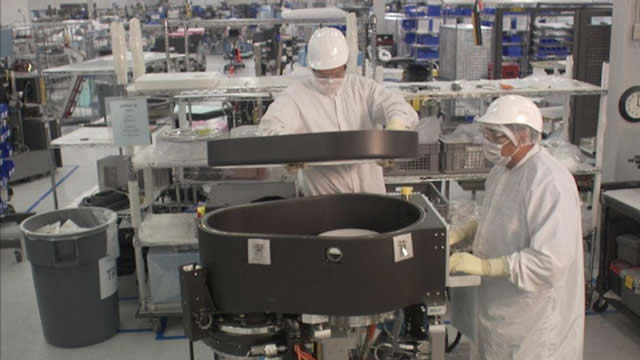
Core Insights - inTEST reported Q2 2025 results with adjusted earnings per share (Non-GAAP) of $0.03, exceeding the $(0.03) consensus, while revenue reached $28.1 million, slightly above the $28.0 million estimate, despite a 17.2% decline year-over-year [1][2] Financial Performance - Q2 2025 adjusted EBITDA was $1.3 million, marking a return to positive after a loss in the previous quarter [5] - Gross margin improved to 42.6%, up 2.0 percentage points from the previous year, driven by better product mix and cost containment [5][2] - Total orders increased by 6.0% year-over-year and 9.5% sequentially to $27.76 million, with significant growth in automotive/electric vehicle and life sciences sectors [6] Market and Product Focus - inTEST specializes in automated testing and processing technology for various sectors, including semiconductor, automotive, life sciences, and defense/aerospace [3] - The company is focusing on innovation and market diversification, with new products like the SCAiLX Edge AI platform and acquisitions such as Alfamation to drive growth [4] Segment Performance - Semiconductor revenue increased by 0.7% year-over-year to $10.2 million, but orders in this segment fell by 33.9% year-over-year, indicating cautious capital spending [7] - Automotive/EV revenue dropped by 50.0% year-over-year to $6.0 million, affected by customer order timing [7] - Life sciences orders surged by 179.3% year-over-year, reflecting strong performance in that segment [6] Operational Developments - The company is undergoing restructuring to enhance efficiency, with operating expenses projected between $12.6 million and $13.1 million for Q3 2025 [10] - Cash and undrawn term loan capacity stood at $19.2 million at the end of Q2 2025, despite a cash outflow of $2.8 million during the period [10] Future Outlook - Management projects Q3 2025 revenue in the range of $28 million to $30 million, indicating stable or slightly improved sales [12] - Key watch points include the recovery pace of semiconductor orders, execution of cost reductions, and progress in automotive/EV and life sciences segments [13]


Middleby(MIDD) - 2025 Q2 - Earnings Call Transcript
2025-08-06 16:02
Financial Data and Key Metrics Changes - In Q2, the company reported revenues of over $580 million with a strong EBITDA margin of 27% [12] - Adjusted EBITDA for Q2 was $200 million, and adjusted EPS was $2.35 [14] - Free cash flow for Q2 was $101 million, with a leverage ratio of 2.3 times [17] Business Line Data and Key Metrics Changes - Commercial Foodservice revenues were below prior year levels but showed sequential growth, driven by demand for leading technologies [12] - Residential segment revenues grew sequentially to over $181 million, with an EBITDA margin exceeding 10% [13] - Food Processing revenues exceeded $216 million in Q2, with an EBITDA margin over 21% [13] Market Data and Key Metrics Changes - The company experienced growth in the indoor appliance markets in the US and UK, while facing challenges in the outdoor segment due to tariff pressures [13][9] - The snack category within Food Processing is growing rapidly, indicating a large market opportunity ahead [10] Company Strategy and Development Direction - The company has made strategic investments over the past three years to enhance innovation, go-to-market capabilities, and operational excellence [3] - Focus on expanding into new market adjacencies, particularly in ice and beverage categories, which are seen as transformational growth opportunities [5][6] - The company plans to continue share repurchases while maintaining financial flexibility for strategic growth investments [18] Management's Comments on Operating Environment and Future Outlook - Management expressed confidence in the company's trajectory despite current economic challenges, emphasizing a strong foundation for long-term growth [3] - The outlook for Q3 anticipates a slight step back in revenues compared to Q2, with expectations for Q4 to be the strongest of the year [20] - Management noted that the commercial foodservice segment is under pressure but remains optimistic about future recovery [92] Other Important Information - The company expects to complete a food processing spinoff in 2026, which is anticipated to operate efficiently and independently [23] - The company has a robust pipeline for M&A activities, particularly in the food processing segment [61] Q&A Session Summary Question: Can you provide more details on the EBITDA guidance by segment? - Management indicated that margins will likely decrease slightly in Q3 due to revenue stepping down, but will improve in Q4 as revenues increase [31] Question: What is the current run rate for grill revenues and how are tariffs impacting this segment? - Grill revenues are in the $100 to $150 million range, but tariffs have caused channel partners to reduce inventory levels significantly [33][36] Question: What is the outlook for large QSR customers in the second half? - Management noted that traffic through QSRs has been down, leading to delays in new store openings and impacting replacement orders [44] Question: How is the tariff impact distributed across segments? - Approximately 60-65% of the tariff impact is felt in the commercial segment, with residential at 20-25% and food processing at 10-15% [55] Question: What are the expectations for sustainable growth in the commercial foodservice segment? - Management believes that the chains will eventually recover, and the company is well-positioned to benefit from this recovery [95] Question: How are new products introduced at NAFEM performing? - New products are gaining traction in the market, with expectations for significant revenue growth in 2026 and beyond [102]

Middleby(MIDD) - 2025 Q2 - Earnings Call Transcript
2025-08-06 16:00
Financial Data and Key Metrics Changes - The company reported Q2 revenue of over $580 million with a strong EBITDA margin of 27% [12] - Total company adjusted EBITDA for Q2 was $200 million, and adjusted EPS was $2.35 [14] - Free cash flow for Q2 was $101 million, with a leverage ratio of 2.3 times [16] Business Line Data and Key Metrics Changes - Commercial Foodservice revenues were below prior year levels but showed sequential growth, driven by demand for leading technologies [12][14] - Residential segment revenues grew sequentially to over $181 million, with an EBITDA margin exceeding 10% [12] - Food Processing revenues exceeded $216 million in Q2, with an EBITDA margin of over 21% [13] Market Data and Key Metrics Changes - The company experienced reduced demand from large chain customers in the Commercial Foodservice segment due to lower traffic and cost pressures [4][12] - The residential outdoor segment faced significant challenges from tariff-related pressures, leading to reduced inventories by channel partners [9] - The food processing segment showed improvement in sales and orders, particularly in the protein and bakery segments [10] Company Strategy and Development Direction - The company is focused on long-term growth through strategic investments in innovation, market capabilities, and operational excellence [3][5] - There is a strong emphasis on expanding into new market adjacencies, particularly in the ice and beverage categories [5][6] - The company plans to continue share repurchases while maintaining financial flexibility for strategic growth investments [18][29] Management's Comments on Operating Environment and Future Outlook - Management expressed confidence in the company's trajectory despite current economic challenges, citing a fundamentally stronger business than ever before [3][5] - The outlook for Q3 includes expected total revenue of $950 to $975 million, with a stronger Q4 anticipated [20][22] - Management noted that market conditions for food processing are modestly improving, while residential market conditions are stable [20] Other Important Information - The company plans to complete a food processing spin-off in 2026, with activities on track for a successful transaction [23][24] - The company has repurchased over 2.2 million shares for nearly $323 million in Q2, with continued buybacks in July [17][18] Q&A Session Summary Question: Can you provide more details on the EBITDA guidance by segment? - Management indicated that margins will likely decrease in Q3 due to a slight revenue step down, but expect a recovery in Q4 [32] Question: What is the current run rate for grill revenues and margin performance? - The grill business is operating in the $100 to $150 million range, but tariffs have impacted growth [34] Question: What is the impact of tariffs on different business segments? - Approximately 60-65% of the tariff impact is from the commercial segment, 20-25% from residential, and 10-15% from food processing [57][58] Question: What is the outlook for large QSR customers in the second half? - Management noted that traffic has been down significantly, affecting new store development and replacement orders [46][48] Question: How is the company addressing the tariff impacts? - The company is focusing on supply chain improvements and operational initiatives to mitigate tariff impacts [49][50] Question: What is the capital allocation strategy moving forward? - The company will continue with share buybacks while evaluating M&A opportunities, particularly in food processing [111][115]
International Flavors & Fragrances(IFF) - 2025 Q2 - Earnings Call Transcript
2025-08-06 14:02
Financial Data and Key Metrics Changes - The company achieved second quarter sales of over $2,750 million, reflecting a 3% year-over-year increase, with adjusted operating EBITDA of $552 million, a solid 6% increase [13][9][11] - The net debt to EBITDA ratio improved to 2.5 times, marking the first time below 3.0 times since 2018 [8][10] - Free cash flow for Q2 totaled $94 million, a sequential increase of over $140 million from the previous quarter [19] Business Line Data and Key Metrics Changes - Pharma Solutions reported sales of $103 million, a 21% year-over-year increase, but this segment will no longer be reported following its divestiture [14] - Taste segment sales reached $631 million, a 6% increase, with profitability growth driven by volume and favorable net pricing [14][15] - Food Ingredients had sales of $850 million, a 1% increase, with adjusted operating EBITDA growing 21% due to volume and productivity improvements [16] - Health and Biosciences grew 4% in the quarter, with adjusted operating EBITDA of $151 million, a 3% increase [17] - Scents achieved sales growth of $603 million, up 1% year-over-year, with profitability impacted by unfavorable net pricing [18] Market Data and Key Metrics Changes - Growth in the Taste segment was strongest in Latin America and the Europe, Africa, and Middle East region [14] - The company noted challenges in North America and China, particularly in the Health and Biosciences segment, which is expected to see negative growth in Q3 [41][58] Company Strategy and Development Direction - The company is focusing on differentiated innovation to enhance margins and streamline its food ingredients portfolio, aiming for mid-teens EBITDA margins [10][11] - A new $500 million share repurchase authorization was announced to return capital to shareholders, reflecting confidence in the company's future [11] - The company is committed to a balanced capital allocation strategy, prioritizing reinvestment in high-return areas and maintaining financial flexibility [20][21] Management's Comments on Operating Environment and Future Outlook - The management expressed confidence in navigating a challenging operating environment and reiterated full-year 2025 guidance, expecting sales in the range of $10.6 billion to $10.9 billion [25][26] - The company anticipates growth to moderate in the second half of the year, particularly in Q3, due to strong prior year comparisons [26][27] - Management highlighted the importance of strengthening the innovation pipeline and commercial capabilities to drive future growth [58][75] Other Important Information - The company completed the divestiture of its Pharma Solutions and Nitrocellulose businesses, which has strengthened its financial position [9][10] - The management team has been refreshed with new leadership to drive innovation and operational excellence [52][54] Q&A Session Summary Question: What is the strategic rationale behind the divestiture to Bunge? - The divested soy crush and lecithin products were commoditized with low single-digit EBITDA margins, allowing the company to focus on its differentiated isolated soy protein business, improving overall margins [30][31] Question: When will the evaluation of strategic alternatives for food ingredients be completed? - The company is making good progress and expects to provide updates in the fourth quarter earnings call, with strong interest from private equity and strategic buyers [34][36] Question: Can you provide more details on the second quarter's performance and challenges? - The operating environment was consistent with expectations, with all businesses delivering growth, but caution is advised for the second half due to strong year-over-year comparisons [40][41] Question: What is the outlook for the scent segment in Q3 and Q4? - Fine Fragrance is expected to continue strong performance, while Fragrance Ingredients will face pressure due to commodity elements [46][48] Question: How is the company addressing potential regulatory changes? - There is a strong desire for cleaner labels and reformulation among customers, which presents opportunities for the company [68][69] Question: What are the expectations for health and biosciences performance? - The health segment is expected to see a slowdown in the second half, but investments in R&D are anticipated to yield results in 2026 and beyond [58][66] Question: How does the company view its capital allocation strategy? - The company is focused on maintaining financial flexibility while prioritizing high-return investments and returning capital to shareholders [20][21]

International Flavors & Fragrances(IFF) - 2025 Q2 - Earnings Call Transcript
2025-08-06 14:00
Financial Data and Key Metrics Changes - The company achieved second quarter sales of over $2.75 billion, reflecting a 3% year-over-year increase, with adjusted operating EBITDA of $552 million, a solid 6% increase [12][17] - The net debt to EBITDA ratio improved to 2.5 times, marking the first time below 3.0 times since 2018 [6][8] - Free cash flow for Q2 totaled $94 million, a sequential increase of over $140 million from the previous quarter [17] Business Line Data and Key Metrics Changes - Pharma Solutions reported sales of $103 million, a 21% year-over-year increase, but this segment will no longer be reported following its divestiture [13] - Taste segment sales reached $631 million, a 6% increase, with profitability growth driven by volume and favorable net pricing [14] - Health and Biosciences grew 4% in the quarter, with adjusted operating EBITDA of $151 million, a 3% increase [15] - Scents achieved sales growth of 1% year-over-year, with adjusted operating EBITDA impacted by unfavorable net pricing [16] Market Data and Key Metrics Changes - Growth in the Taste segment was strongest in Latin America and the Europe, Africa, and Middle East region [14] - The company noted challenges in North America and China, particularly in the Health and Biosciences segment, which is expected to see negative growth in Q3 [40][56] Company Strategy and Development Direction - The company is focusing on divesting non-core businesses to enhance margins and streamline operations, with a goal of achieving mid-teens EBITDA margins in the food ingredients business [8][9] - A new $500 million share repurchase authorization was announced, reflecting confidence in the company's future and a balanced capital allocation strategy [9][19] - The company is committed to increasing free cash flow generation and prioritizing investments in high-return areas [18][21] Management's Comments on Operating Environment and Future Outlook - Management expressed confidence in navigating a challenging operating environment and reiterated full-year 2025 guidance, expecting sales growth at the lower end of 1% to 4% [10][22] - The company anticipates a moderation in growth, particularly in Q3, due to strong prior year comparisons [23][40] - Management highlighted the importance of innovation and R&D investments to drive future growth, particularly in 2026 and beyond [11][56] Other Important Information - The company completed the divestiture of its Pharma Solutions and Nitrocellulose businesses, which has strengthened its financial position [6][8] - The divestiture of soy crush concentrates and lecithin business to Bunge was also announced, allowing the company to focus on differentiated innovation [8][27] Q&A Session Summary Question: Strategic rationale behind the divestiture to Bunge - The divested soy products were commoditized with low single-digit EBITDA margins, allowing the company to focus on higher-margin isolated soy protein business [27][28] Question: Timeline for evaluating strategic alternatives for Food Ingredients - The company expects to provide updates on strategic options by the fourth quarter earnings call early next year, with strong interest from private equity and strategic buyers [30][34] Question: Monthly cadence of Q2 performance and volume assumptions for the second half - All businesses delivered growth in Q2, but management is cautious about the second half due to strong year-over-year comparisons [36][40] Question: Outlook for the Scent segment in Q3 and Q4 - Fine Fragrance is expected to continue strong performance, while Fragrance Ingredients will face pressure from commodity elements [42][46] Question: Changes in board composition and its impact - The company has strengthened its leadership and board to drive innovation and market leadership in scent, taste, and health [50][52] Question: Performance of Health and Biosciences segment - Food biosciences and home care are performing well, but health is expected to see a slowdown in the second half [55][56] Question: Market response to potential regulatory changes - Customers are seeking cleaner labels and reformulation opportunities, which aligns with the company's capabilities [65][66] Question: Differences in performance between global and local customers - Global companies are focusing on innovation, while local players are emerging with strong growth in developing markets [94][95]
Nomad Foods(NOMD) - 2025 Q2 - Earnings Call Transcript
2025-08-06 13:32
Financial Data and Key Metrics Changes - The company has adjusted its full-year inflation assumption from 4% to 4.5% due to adverse weather conditions affecting crop yields, particularly in the UK [24][25] - The gross margin dropped in Q2, attributed to increased inflation and supply chain challenges [26] Business Line Data and Key Metrics Changes - The company reported a significant focus on cost competitiveness, leading to a reduction in SG&A expenses primarily driven by overheads rather than advertising and promotion [30][31] - Innovations and renovations are expected to contribute nearly double the sales compared to the previous year, with a focus on snacking and protein products [32][34] Market Data and Key Metrics Changes - The market in Q2 experienced a volume decline of approximately 5.5%, particularly in key regions like the UK, due to extreme weather conditions [16][22] - The company has gained market share in volume despite overall market underperformance in categories like fish and vegetables [9][10] Company Strategy and Development Direction - The company is adjusting its ERP implementation strategy to mitigate risks and improve inventory management [7][8] - There is a strong emphasis on innovation, with plans to enhance product offerings in response to changing consumer preferences and weather patterns [34][35] Management's Comments on Operating Environment and Future Outlook - Management expressed confidence in the company's ability to navigate current challenges and emphasized the importance of preparing for future weather-related impacts on sales [50][53] - The company is committed to maintaining flexibility in capital allocation, focusing on share buybacks and dividends while being cautious about M&A opportunities [55] Other Important Information - The company is exploring partnerships with startups to enhance its innovation pipeline and speed up product development [43][45] - There is a focus on optimizing the supply chain and reducing complexity within the operational network to improve cost efficiency [40][41] Q&A Session Summary Question: Confidence in full-year guidance - Management acknowledged past challenges with guidance and emphasized lessons learned from ERP implementation and inventory management [6][8] Question: Organic growth expectations for Q3 - Management indicated that while growth is expected in Q3, it is contingent on market conditions and weather patterns [17][19] Question: Inflationary pressures and pricing strategy - Management confirmed an increase in inflation assumptions and indicated plans to adjust pricing where feasible [24][26] Question: SG&A savings initiatives - Management detailed ongoing efforts to reduce overhead costs and improve cost competitiveness [30][31] Question: Innovation pipeline and future products - Management highlighted a significant increase in sales from innovation and renovation, with a focus on snacking and protein products [32][34] Question: Supply chain optimization and facility closures - Management discussed plans for supply chain optimization, including the closure of a smaller factory in the Nordics [40][41] Question: Long-term portfolio adjustments for climate change - Management addressed the need to adapt product offerings to changing weather patterns and consumer preferences [50][53] Question: Capital allocation priorities - Management confirmed ongoing share buybacks and dividends while maintaining flexibility for future opportunities [55]

Nomad Foods(NOMD) - 2025 Q2 - Earnings Call Transcript
2025-08-06 13:30
Financial Data and Key Metrics Changes - The company has adjusted its full-year inflation assumption from 4% to 4.5% due to adverse weather conditions affecting crop yields, particularly in the UK [23][24] - There has been a noted drop in gross margin in Q2, attributed to increased inflation and weather-related challenges [24] Business Line Data and Key Metrics Changes - The company has seen a significant increase in innovation contributions to sales, with expectations for nearly double the previous year's contribution [32][34] - SG&A expenses have been reduced, primarily driven by overhead savings rather than advertising and promotion [30] Market Data and Key Metrics Changes - The market in Q2 experienced a volume decline of approximately 5.5%, particularly in key regions like the UK, which impacted sales [15][21] - The company has gained market share in volume despite overall market underperformance during the hot weather [9][10] Company Strategy and Development Direction - The company is focusing on enhancing its product assortment to better align with changing consumer preferences during hotter weather, including more natural and marinated fish options [51][54] - There is an emphasis on cost competitiveness and maintaining pricing strategies to recover from inflation while avoiding overpricing compared to competitors [30][26] Management's Comments on Operating Environment and Future Outlook - Management expressed confidence in the company's future despite disappointing first-half performance, citing a strong portfolio and effective strategy [60] - The company is preparing for potential future heat waves by adjusting product offerings and improving supply chain agility [54][51] Other Important Information - The company has conducted share buybacks amounting to €100 million in H1 and announced a dividend, indicating a commitment to returning value to shareholders [56] - The company is exploring partnerships with startups to enhance innovation and speed up product development [44][46] Q&A Session Summary Question: Confidence in full-year guidance after recent performance - Management acknowledged past optimism regarding ERP implementation and excess inventory issues, indicating a more cautious approach moving forward [5][6][8] Question: Organic growth expectations for Q3 and Q4 - Management clarified that while growth is expected in Q3, the overall guidance remains conservative due to market conditions [14][16] Question: Impact of ERP supply disruption on sales - Management confirmed that the ERP lag from the previous year will positively affect comparisons, but current market conditions remain challenging [19][20] Question: Inflationary pressures and pricing strategies for 2026 - Management indicated that pricing adjustments will be necessary to recover from inflation, with a focus on maintaining competitiveness [22][26] Question: SG&A savings and overhead expense reductions - Management detailed ongoing initiatives to reduce overhead costs while remaining competitive in pricing [30][31] Question: Innovation pipeline and future products - Management highlighted a significant increase in sales from innovation and renovation, with a focus on snacking and new product categories [32][34] Question: Supply chain optimization and facility closures - Management discussed plans for supply chain optimization, including the closure of a smaller factory in the Nordics [41][42] Question: Long-term strategies for dealing with climate change - Management emphasized the need for agility in product offerings to adapt to changing weather patterns and consumer preferences [49][54] Question: Capital allocation priorities - Management confirmed ongoing share buybacks and dividends while maintaining flexibility for future opportunities [56][57]