
Energy Security

Search documents
Shell Strengthens Bonga Project With Temis Flotel Partnership
ZACKS· 2025-08-29 15:15
Core Insights - Shell plc's affiliate, Shell Nigeria Exploration and Production Company (SNEPCo), has awarded a significant contract to Nortrans and Temile Development Company for the Bonga deepwater project, utilizing the TEMIS 500-pax DP3 Maintenance and Safety Unit flotel for offshore accommodation and support services during maintenance activities [1][9] Group 1: Project Details - The Temis Flotel will be deployed in Nigeria following SNEPCo's acquisition of TotalEnergies' 12.5% interest in the OLM118 production sharing contract, with the Bonga field located approximately 120 kilometers south of the Niger Delta [2] - The Bonga North project includes the drilling and completion of about 16 wells, with eight designated as production wells and the remainder for water injection, alongside enhancements to the existing FPSO and installation of new subsea hardware [6][9] Group 2: Strategic Partnerships - This collaboration underscores Shell's long-standing partnership with Temile Development Company, enhancing local capacity and expertise while ensuring safe and efficient offshore operations [3] - The deployment of the Temis Flotel is part of Shell's commitment to maintaining energy security and upholding high safety standards in its operations [4] Group 3: Operational Capacity - The original Bonga Floating Production Storage and Offloading (FPSO) has been operational since 2005, with a production capacity of approximately 225,000 barrels of oil per day, indicating the project's significance in Shell's upstream portfolio [5] - The Bonga project is positioned to deliver benchmark performances, leveraging technical expertise and strong partnerships [5]


BW Offshore: Second quarter and first half results 2025
Globenewswire· 2025-08-28 05:30
Core Insights - BW Offshore reported strong operational performance in Q2 2025, with high uptime on producing assets and an increase in EBITDA expectations for the full year [3][9] - The FPSO BW Opal has commenced operations at the Barossa gas field, expected to contribute significantly to earnings and cash flow [2][3] - The company is strategically positioned for future energy demands, focusing on both energy security and the transition to renewable sources [4] Financial Performance - Q2 2025 EBITDA was USD 57 million, with a total of USD 148 million for the first half of the year [9] - Net profit for Q2 was USD 25 million, totaling USD 87 million for the first half [9] - Operating cash flow for Q2 reached USD 103 million, with a total of USD 160 million for the first half [9] - The company declared a quarterly cash dividend of USD 0.063 per share, amounting to USD 11 million [5][9] Contractual and Operational Updates - The firm backlog measured by expected operational cash flow is USD 2.2 billion, while the firm revenue backlog is USD 6.0 billion [6] - The FPSO BW Opal is on track to start producing gas in Q3 2025, aligning with its 15-year contract [2][9] - A recent strategy review indicates that the company will continue to refine its position in the FPSO value chain while preparing for future energy transitions [4]

Sempra Infrastructure and EQT Announce Long-Term LNG Supply Agreement from Port Arthur LNG Phase 2
Prnewswire· 2025-08-27 12:00
Core Points - Sempra Infrastructure and EQT Corporation have signed a 20-year sales and purchase agreement for the supply of 2 million tonnes per annum (Mtpa) of liquefied natural gas (LNG) from the Port Arthur LNG Phase 2 project [1][2] - The agreement is aimed at enhancing U.S. energy exports and supporting global energy security while promoting lower-carbon solutions [2] - The Port Arthur LNG Phase 2 project is expected to have a total liquefaction capacity of approximately 26 Mtpa, doubling the capacity from Phase 1 [5] Company Developments - Sempra Infrastructure has secured all major permits for the Port Arthur LNG Phase 2 project, including project approval from the Federal Energy Regulatory Commission and export authorization from the U.S. Department of Energy [3] - Bechtel has been selected for the engineering, procurement, and construction of the Port Arthur LNG Phase 2 facility, with a final investment decision targeted for 2025 [4] - The project has already attracted interest from other buyers, including a 20-year SPA with JERA Co., Inc. for 1.5 Mtpa and an expanded alliance with ConocoPhillips for 4 Mtpa [2] Industry Context - The Port Arthur LNG Phase 2 project is strategically positioned to meet global energy demand and is part of a broader effort to fortify America's role as a leading energy exporter [2] - The project aligns with the U.S. government's goals of enhancing energy security and supporting local economic development through natural gas projects [2]


ConocoPhillips Strikes 20-Year LNG Deal With Sempra's Port Arthur
ZACKS· 2025-08-25 15:06
Core Insights - ConocoPhillips has secured a significant LNG supply agreement with Sempra Infrastructure, purchasing 4 million tons per annum (MTPA) from the Port Arthur LNG Phase 2 project over a 20-year term, aimed at meeting increasing global demand, particularly in Europe and Asia [1][10] Company Developments - The agreement underscores ConocoPhillips' long-term commitment to LNG, enhancing its capability to establish a flexible and reliable supply network to address rising demand and bolster energy security [2][6] - This deal builds on a previous 20-year agreement for 5 MTPA from Port Arthur Phase 1, where ConocoPhillips also acquired a 30% equity stake, with operations expected to commence in 2027 [5][10] Industry Context - The U.S. LNG sector is experiencing accelerated commercial activity following the lifting of a moratorium on new export permits, with the U.S. already being the largest LNG exporter globally, projected to reach an export capacity of 115 million metric tons per annum by the end of 2025 [3] - The Port Arthur project is positioned to enhance connections between U.S. producers and international markets, contributing to economic growth domestically while meeting the energy security needs of U.S. allies [4][6]


X @Elon Musk
Elon Musk· 2025-08-24 06:02
RT Whole Mars Catalog (@WholeMarsBlog)Solar is amazing. Energy literally falls from the sky. No need to get fuel. You can’t beat those economics.If America doesn’t build it out aggressively to complement othersources, we will have less energy security as a nation. ...
Fluence Expands U.S. Domestic Supply Chain with Houston-based HVAC and Chiller Production
Globenewswire· 2025-08-21 13:00
Core Insights - Fluence Energy, Inc. has commenced production at a new manufacturing facility in Houston, Texas, focusing on thermal management systems for its Gridstack Pro™ battery energy storage solutions [1][2] - The establishment of this facility is part of Fluence's strategy to enhance U.S.-based manufacturing capabilities in the growing battery storage market [2][4] Company Developments - The Houston facility will produce HVAC and chiller equipment, contributing to Fluence's commitment to onshore production of major battery energy storage system components [1][3] - Fluence collaborates with manufacturing partners across five facilities in the U.S., creating over 1,200 manufacturing jobs in 2025 [3][4] Industry Context - The expansion of domestic manufacturing capabilities aligns with the increasing focus on energy security and supply chain resilience in the U.S. [4][5] - Fluence has deployed or contracted over 22,000 MWh of battery energy storage capacity across more than 90 projects in the U.S., supporting utilities and power producers [5][6]


Chevron & Exxon Near Landmark Deal to Unlock Algeria's Gas Reserves
ZACKS· 2025-08-18 13:01
Core Insights - Chevron Corporation and Exxon Mobil Corporation are nearing a significant agreement with Algeria to develop its vast natural gas reserves, including shale gas, marking a strategic entry into a major unconventional gas basin [1][7][8] - Algeria's shale gas reserves are estimated at 3,419 trillion cubic feet, with 707 trillion cubic feet technically recoverable, positioning it as the third-largest reserve globally, which could enhance Algeria's production and export capabilities [2][4] Group 1: Strategic Developments - Both companies have established partnerships, with Chevron signing a memorandum of understanding with Sonatrach in June 2024 and formalizing cooperation with ALNAFT in January 2025, indicating a commitment to develop hydrocarbon resources [3][6] - The anticipated agreements are expected to help Algeria increase its production target from 137 to 200 billion cubic meters, aligning with Europe's urgent need for alternative gas sources [4][6] Group 2: Market Positioning - The deal represents an opportunity for Chevron and Exxon to solidify their roles as reliable suppliers in the European market, which is seeking to diversify its energy sources away from Russian gas [4][8] - Success in Algeria would not only provide immediate returns but also establish a long-term presence in the energy sector, with potential for further expansion into both onshore and offshore resources [6][8] Group 3: Environmental Considerations - Developing shale gas in Algeria poses environmental challenges, including water resource demands and pollution risks, but both companies have extensive experience in managing such issues globally [5][6] - The companies aim to introduce advanced technologies and best practices to mitigate environmental impacts and gain local community support [5][6]


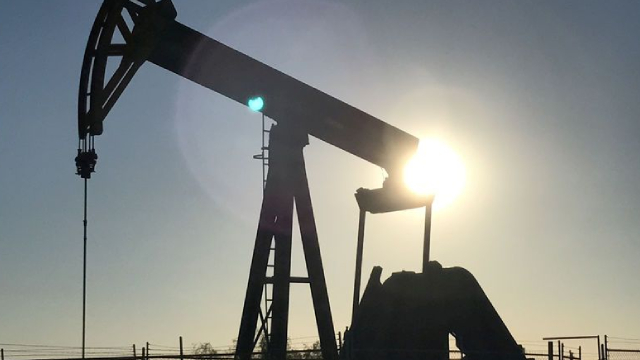
Why Russia Is Running a NATO Country’s Nuclear Plant | WSJ Breaking Ground
The Wall Street Journal· 2025-08-12 16:20
Project Overview - Turkey's first nuclear power plant, Akkuyu, is a $25 billion project funded, built, and operated by Russia, raising security concerns for NATO [1] - The plant aims to reduce Turkey's energy import volume by approximately 7 billion cubic meters annually [7] - Once fully online, the four reactors will have an installed capacity of 4.8 gigawatts, generating about 10% of Turkey's electricity [6] Geopolitical Implications - Russia gains a foothold in a NATO member through the Akkuyu project, potentially increasing its influence in the region [8][10] - Concerns exist that Russia could use the plant's seaport as a military facility or as leverage for political bargaining, such as halting fuel deliveries or maintenance [10][11] - NATO expresses concerns about potential security risks due to Russia's involvement, while the Kremlin asserts it's a mutually beneficial partnership [1][16] Turkey's Energy Strategy - Turkey seeks energy independence and economic development through the Akkuyu Nuclear Power Plant, reducing reliance on energy imports from countries like Russia, Iran, and Azerbaijan [2][3] - Turkey has been trying to build a nuclear power sector since the 1950s, with the deal with Russia signed in 2010 based on a build-own-operate model [4] - Turkey is in talks with several countries to build another nuclear power plant, but dependence on one supplier is a concern [19] Russia's Role and Investment - Rosatom, Russia's state nuclear agency, is responsible for all aspects of Akkuyu, from construction to decommissioning, representing a unique model for the industry [5] - Rosatom is investing around $25 billion in the project and needs to operate it for decades to recoup expenses, creating incentives for maintaining a stable political relationship [15] - The knowledge Turkish operators gain from Russia for this specific power plant deepens Turkey's dependency on Russia [14]
Excelerate Energy(EE) - 2025 Q2 - Earnings Call Transcript
2025-08-11 13:30
Financial Data and Key Metrics Changes - Adjusted EBITDA for Q2 2025 was $107 million, an increase of approximately $7 million quarter-over-quarter, primarily due to the addition of Jamaica EBITDA starting from May 14 [26] - Year-over-year adjusted EBITDA grew by $18 million, driven by the addition of Jamaica EBITDA and the strength of the legacy business [26] - Total debt, including finance leases, stood at $1.3 billion, with cash and cash equivalents of $426 million as of June 30 [27] - Net debt was $867 million, with a trailing twelve-month net leverage of 2.2 times [27] - The company raised its adjusted EBITDA guidance for 2025 to a range of $420 million to $440 million [31] Business Line Data and Key Metrics Changes - The Jamaica acquisition included the Montego Bay and Old Harbour LNG Terminals, which are already contributing to earnings [12] - The integration of Jamaica assets is proceeding as planned, with operational performance exceeding expectations [12] - The company expects to generate $80 million to $110 million in incremental EBITDA from optimizing the Jamaica platform by 2030 [14] Market Data and Key Metrics Changes - The company is positioned to benefit from growing demand for LNG tied to energy security and the energy transition [8] - The recent US-EU trade agreement is expected to expand LNG exports, reinforcing the relevance of the company's business model [9] Company Strategy and Development Direction - The company remains focused on operational excellence, disciplined growth, and delivering long-term value for shareholders [4] - The growth strategy includes owning and operating downstream infrastructure assets, with a long runway for growth through strategic opportunities [6] - The company aims to position Jamaica as a regional hub for LNG distribution across the Caribbean, leveraging its geographic location [16] Management's Comments on Operating Environment and Future Outlook - Management emphasized the importance of energy security for all nations and the supportive policy momentum for LNG exports [9] - The company is confident in its ability to capture new demand and grow from the Jamaica platform, with positive reactions from customers [40] - Management expressed optimism about the global LNG market, particularly in Europe and Vietnam, highlighting ongoing engagements and potential investments [101][102] Other Important Information - The company announced an increase in its quarterly dividend on July 31, reflecting enhanced cash flow from the Jamaica acquisition [29] - The capital allocation strategy prioritizes investing in accretive growth opportunities while returning capital to shareholders [28] Q&A Session Summary Question: Priorities for Jamaica projects and expected EBITDA contribution - Management indicated that there are both near-term opportunities that require minimal CapEx and longer-term projects that will require more investment [36][38] Question: Opportunities in the Caribbean and specific markets - Management noted that many Caribbean islands are still reliant on liquid fuels, presenting opportunities for fuel switching and LNG distribution [42][44] Question: Addressable untapped market for gas in the Caribbean - Management acknowledged significant demand but did not provide specific quantifiable figures, emphasizing the competitive advantage of their assets [47][48] Question: Supply and demand outlook for new builds - Management expressed confidence in the tight infrastructure market and increasing demand for LNG, positioning the company well for future growth [51] Question: Timeline for FSRU conversion and cost savings - Management indicated that the conversion process typically takes about two years, with potential for timeline compression due to existing equipment [60] Question: Incremental CapEx for smaller receiving terminals - Management stated that it is still early in the assessment of costs for smaller terminals, emphasizing flexibility in solutions [63] Question: Intangible assets from the Jamaica acquisition - Management clarified that the intangible assets primarily consist of customer contracts [66] Question: Key milestones for Jamaica platform - Management committed to transparency and will provide updates on incremental sales and optimization efforts [71] Question: Financing for Hull 3407 - Management is evaluating various financing options, including cash, revolver borrowing, and potential ECA financing [80] Question: Cost savings from owning the LNG carrier Shenandoah - Management confirmed that owning the vessel will enhance returns compared to chartering [87] Question: Breakdown of EBITDA guidance for Jamaica - Management indicated that the guidance includes both synergies from existing assets and new opportunities requiring further CapEx [90]

Enerflex(EFXT) - 2025 Q2 - Earnings Call Transcript
2025-08-07 15:00
Financial Data and Key Metrics Changes - The company reported consolidated revenues of $615 million in Q2 2025, slightly up from $614 million in Q2 2024 and $552 million in Q1 2025 [14] - Gross margin before depreciation and amortization was $175 million, representing 29% of revenue, compared to $173 million (28%) in Q2 2024 and $161 million (29%) in Q1 2025 [14] - Adjusted EBITDA reached a record $130 million, up from $122 million in Q2 2024 and $113 million in Q1 2025 [15] - Free cash flow was a use of cash of $39 million in Q2 2025, compared to a use of cash of $4 million in Q2 2024 and a source of cash of $85 million in Q1 2025 [16] Business Line Data and Key Metrics Changes - Energy infrastructure and aftermarket services contributed 65% of gross margin before depreciation and amortization in Q2 2025 [5] - The energy infrastructure business generated a gross margin before D&A of $86 million, compared to $77 million in Q2 2024 and $86 million in Q1 2025 [15] - Aftermarket services gross margin before D&A was 23% in the quarter, benefiting from strong customer maintenance programs [10] Market Data and Key Metrics Changes - The U.S. contract compression business maintained utilization above 90% for the past fourteen quarters, with a backlog of $1.2 billion at the end of Q2 2025 [6][11] - The international energy infrastructure business is supported by approximately $1.3 billion of contracted revenue with an average contract term of about five years [10] Company Strategy and Development Direction - The company aims to enhance profitability of core operations and maximize free cash flow to strengthen its financial position and provide direct shareholder returns [12] - Capital expenditures for 2025 are expected to approximate $120 million, with $60 million earmarked for growth initiatives primarily in the U.S. contract compression business [20] - The company is focused on leveraging its leading position in core operating countries to capitalize on expected increases in natural gas and produced water volumes [12] Management's Comments on Operating Environment and Future Outlook - Management expressed confidence in the long-term fundamentals driving growth, including global energy security and increasing demand for natural gas [23] - The leadership transition is ongoing, with a comprehensive search for a permanent CEO in progress [12] Other Important Information - The company returned $18 million to shareholders in Q2 2025 through dividends and share repurchases [21] - The bank adjusted net debt to EBITDA ratio was approximately 1.3 times at the end of Q2 2025, down from 2.2 times at the end of Q2 2024 [18] Q&A Session Summary Question: What is driving the tightness in utilization in U.S. contract compression? - Management noted a favorable supply-demand balance in the U.S. contract compression market, supported by disciplined actions from major competitors and increasing natural gas production [27] Question: Can you elaborate on the expansion of the North American manufacturing facility? - The company has acquired additional land adjacent to its U.S. facility in Houston to maintain optionality for future growth, despite having sufficient capacity currently [36][38] Question: What are the expectations for CapEx in 2026 and beyond? - The company plans to continue strategic investments in the U.S. contract compression fleet, with a focus on aligning with customer planning cycles and supply chain realities [41] Question: How do you view your time to market for new compression compared to competitors? - Management believes their vertically integrated model provides a competitive advantage in time to market compared to competitors using third-party manufacturers [43] Question: What is the outlook for G&A expenses moving forward? - Management expects G&A expenses to remain at a favorable level due to synergies from integration and ongoing efforts to simplify the business [50]
