Butterfly effect

Search documents
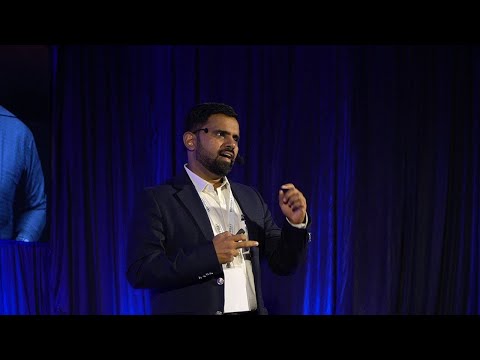
The Butterfly Effect of Teaching Inclusion | Rowan Dias | TEDxDeerfield
TEDx Talks· 2025-07-18 15:29
Disability Inclusion & Community Impact - The core issue is not the lack of awareness of the importance of inclusion, but the lack of knowledge on *how* to successfully include individuals with disabilities [2] - Hesitation due to uncertainty about interacting with individuals with disabilities can lead to exclusion, impacting both the individuals and their families [13] - Education, rather than mere expectation, is crucial for unlocking a community's potential for disability inclusion [22] - Small actions and learning about individuals within the community are key to fostering inclusion [24] - Equipping individuals with the tools to connect can build communities where inclusion is a way of life [25] Able Athletics' Model & Key Takeaways - Able Athletics was founded to create a supportive environment for children of all abilities to connect with their communities [14] - The organization addresses the disconnect between volunteers and athletes with unique needs through an onboarding process involving special educators and therapists [15][16] - Volunteers are educated on preferred language (e g, "person-first" vs "identity-first") when interacting with individuals with disabilities [16][17] - Able Athletics has grown to include over 1,000 volunteers from over 16 school districts, focusing on education and inclusive sports [19] - Key points from Able Athletics' curriculum include focusing on the person first, asking questions, and recognizing that success looks different for everyone [20][21]

Built by Repetition | C. Prathapmohan Nair | TEDxFISAT
TEDx Talks· 2025-06-23 15:06
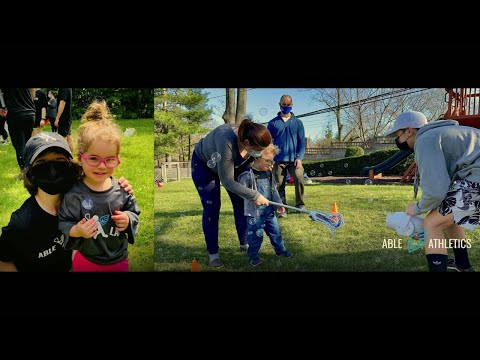
Sustainability Challenges & Perspectives - Sustainability perception varies globally, focusing on shoreline preservation in Pacific islands, land desertification in Africa, and land degradation in Western Balkans [3] - Disconnect from sustainability's larger effects is increasing, exemplified by individuals not linking their actions to environmental consequences [5][6] - Climate change impacts are escalating, with projections indicating that by 2070, 15 million people may need relocation, requiring a USD 52 trillion investment [8] Individual & Collective Action - Individuals can drive change beyond government policies, as demonstrated by people creating forests and planting millions of trees [9][10] - Small actions can lead to significant changes, emphasizing the "butterfly effect" where individual efforts contribute to broader sustainability outcomes [12][13] - Groups can adopt "handprint thinking," focusing on contributions to the world's well-being through practices like slow consumption and repairing items instead of immediate purchase [26][27] Institutional Role & ESG - Institutions can provide platforms, support, and training for sustainability-related activities, fostering community engagement and capacity building [31][32] - Private sector increasingly required to provide ESG reports, integrating sustainability into their operations [17] - Companies can achieve significant water savings through water treatment plants, inspiring other companies within the supply chain to adopt similar practices, resulting in 50 billion liters of water being taken care of every year [18] Call to Action - Individuals, groups, and institutions should take immediate, imperfect but authentic actions for sustainability, creating a ripple effect [38] - Actions should align with Sustainable Development Goals, such as SDG 4 (education), to maximize impact [35][36] - The next generation will evaluate current actions, emphasizing the importance of collective responsibility in addressing sustainability challenges [33][34]