World War II

Search documents
World closest to ‘nuclear precipice’ since Hiroshima and Nagasaki, says historian Garrett Graff
MSNBC· 2025-08-09 20:13
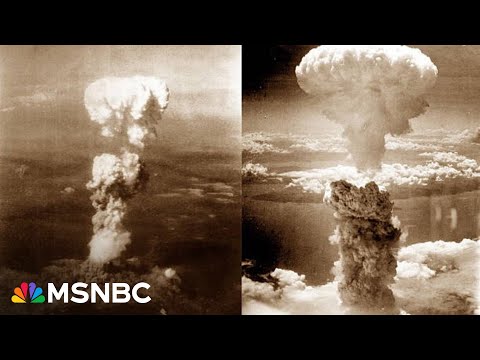
80 years ago today, on August 9th, 1945, the United States dropped an atomic bomb on the Japanese city of Nagasaki. Three days earlier, the US had dropped a separate bomb on the city of Hiroshima. These bombs changed the course of history.The two bombs are estimated to have killed roughly 200,000 people in both cities. Half of them died on the first day. Many others died of burns and radiation sickness in the days, the weeks, and the months that followed.The destructive power of this new type of weapon was ...

X @The Economist
The Economist· 2025-08-09 12:20
Japan’s leaders led the country down “a maximally ruinous and self-destructive path” during the second world war, argues a historian in a guest essay for our 1945 Archive project https://t.co/kGEOh23sbq ...
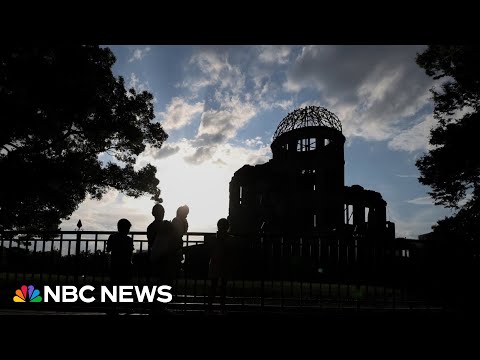
Hiroshima bombing survivors recall their experiences 80 years later
NBC News· 2025-08-07 15:02
Historical Event & Impact - The US dropped an atomic bomb on Hiroshima 80 years ago, followed by a second bomb on Nagasaki, resulting in nearly 250,000 lives lost [1][4][5] - The bombings are considered by many historians to have hastened the end of World War II [1][4] - The Hiroshima bombing occurred at 8:15 AM, with the bomb detonating approximately 2,000 ft above the ground [2][5] - The atomic blast created a mushroom cloud rising to approximately 60,000 ft [2] Remembrance & Legacy - Hiroshima has been rebuilt into a city of over 1 million people, drawing tourists to its memorial peace park, museum, and atomic dome [5] - Virtual reality tours recreate the bombing and its aftermath, providing a visceral experience for visitors [6] - Survivors, known as "hibakusha," have faced illness and discrimination, and their numbers are declining [6][7] - Japanese survivors group Nihon Hadankio was awarded the Nobel Peace Prize for their work in ensuring Hiroshima is not forgotten [7] Contemporary Relevance - Concerns are raised about the potential for nuclear disaster in current global conflicts, highlighting the importance of remembering Hiroshima [8] - Younger generations are taking on the responsibility of sharing the stories of Hiroshima to prevent future tragedies [9]