
Federal Reserve Independence

Search documents
Gold, Silver Spike To Record Highs As Fed Independence Falters: What's Moving Markets Monday?
Benzinga· 2026-01-12 17:43
Group 1: Precious Metals Market - Gold prices surged 2.5% to $4,620 an ounce, reaching an all-time high, while silver increased over 7% to $86 an ounce, marking a 12-month rally of over 190% [1] - The rise in precious metals followed the announcement of a criminal investigation into Federal Reserve Chair Jerome Powell, which investors interpreted as a threat to the Fed's independence [2] Group 2: Stock Market Performance - Major stock averages on Wall Street showed modest gains as investors awaited macroeconomic data and earnings reports, with the Bureau of Labor Statistics set to release December inflation data [3] - Financial stocks underperformed due to President Trump's proposal to cap credit card interest rates at 10%, leading to significant declines in Capital One Financial Corp. (down 6.6%), American Express Co. (down nearly 5%), and Citigroup Inc. (down 3.5%) [4] Group 3: Individual Stock Movements - Vistra Corp. led the S&P 500 with a gain of over 6% following a previous surge, driven by optimism regarding a multi-year power contract with Meta Platforms Inc. [5] - MACOM Technology Solutions Holdings Inc. saw a notable increase of 9.34%, while other stocks like Pure Storage Inc. and Chewy Inc. also performed well [6] Group 4: ETF Performance - The Vanguard S&P 500 ETF remained flat at $638.74, while the SPDR Dow Jones Industrial Average decreased by 0.16% to $494.25 [7] - The Consumer Staples Select Sector SPDR Fund outperformed, increasing by 1.1%, whereas the Financial Select Sector SPDR Fund lagged, declining by 1.0% [7]


Former Fed chairs, Treasury secretaries defend Jerome Powell amid Trump DOJ's criminal probe
Fox Business· 2026-01-12 17:21
Core Viewpoint - A group of former Federal Reserve chairs and Treasury secretaries has defended Fed Chair Jerome Powell against threats of criminal indictment from the Trump administration's Justice Department regarding his testimony about the Fed's renovations [1][2]. Group Composition - The group includes notable figures such as former Fed Chairs Ben Bernanke, Alan Greenspan, and Janet Yellen, along with former Treasury Secretaries Timothy Geithner and Henry Paulson, as well as several former chairs of the Council of Economic Advisers from both Republican and Democratic administrations [2]. Importance of Independence - The group emphasized that the Federal Reserve's independence and public perception of that independence are crucial for economic performance, which includes achieving stable prices, maximum employment, and moderate long-term interest rates as set by Congress [3]. Concerns Over Criminal Inquiry - The statement expressed that the criminal inquiry into Federal Reserve Chair Jay Powell represents an unprecedented attempt to undermine the Fed's independence through prosecutorial means, likening it to practices in emerging markets with weak institutions that lead to negative economic consequences [5]. - The group concluded that such actions have no place in the United States, where the rule of law is fundamental to economic success [5].

Why the Federal Reserve has historically been independent of the White House
Yahoo Finance· 2026-01-12 16:41
Core Viewpoint - The Justice Department has threatened the Federal Reserve with a criminal indictment over Fed Chair Jerome Powell's testimony regarding building renovations, marking a significant escalation in the administration's attempts to exert control over the independent institution [1]. Group 1: Federal Reserve's Independence - The independence of the U.S. Federal Reserve is crucial as it wields extensive power over the economy, influencing borrowing costs and economic growth through interest rate adjustments [5]. - Economists favor independent central banks because they can take unpopular measures, such as raising interest rates to combat inflation, without political pressure [6]. - The importance of an independent Fed was solidified after the inflation spike of the 1970s and 1980s, where political pressure led to detrimental economic consequences [7]. Group 2: Political Pressure and Reactions - President Trump has repeatedly criticized Powell for not cutting short-term interest rates and has threatened to fire him, reflecting ongoing tensions between the administration and the Fed [2]. - Trump has accused Powell of mismanaging a $2.5 billion building renovation project, which Powell described as a "pretext" to undermine the Fed's independence [3]. - There is a growing concern among some lawmakers, such as Senator Thom Tillis, regarding the administration's efforts to diminish the Fed's independence [4].
Greenspan, Bernanke, Yellen and other past officials say Trump using 'prosecutorial attacks' to undermine Fed
CNBC· 2026-01-12 15:57
Former Federal Reserve chairman Ben Bernanke speaks after he was named among three U.S. economists awarded the 2022 Nobel Economics Prize, during a news conference at the Brookings Institution in Washington, October 10, 2022."This is how monetary policy is made in emerging markets with weak institutions, with highly negative consequences for inflation and the functioning of their economies more broadly," it continued. "It has no place in the United States whose greatest strength is the rule of law, which is ...
Stocks of credit-card companies slump as Wall Street overall drifts in mixed trading
The Economic Times· 2026-01-12 15:24
The S&P 500 edged down by 0.1% from its all-time high as U.S. stocks drifted through mixed morning trading, while prices for gold and other investments that tend to do well when investors are nervous rose. The value of the U.S. dollar also dipped against the euro and other currencies amid concerns that the Fed may have less independence in setting The Dow Jones Industrial Average was down 179 points, or 0.4%, as of 10 a.m. Eastern time, and the Nasdaq composite was nearly unchanged.Some of the market's sha ...


美国经济:我们预计 2026 年将充满波动-US Economics Weekly _We expect a bumpy 2026_ Pingle_ We expect a bumpy 2026
2026-01-08 10:42
Summary of Key Points from the Conference Call Industry Overview - The conference call primarily discusses the macroeconomic outlook for the United States in 2026, focusing on the Federal Reserve's monetary policy, labor market conditions, and consumer spending trends. Core Insights and Arguments 1. **Economic Outlook for 2026**: The expectation is for a bumpy year with a projected real GDP growth of 2% and a federal funds rate forecasted to decrease, with potential rate cuts in the second half of the year [9][13][19]. 2. **Labor Market Weakness**: The labor market is showing signs of weakness, with the unemployment rate expected to rise to 4.5% and the broad measure of labor underutilization (U-6) trending higher [11][19][21]. 3. **Inflation Concerns**: Despite expectations for rate cuts, there are concerns about strong inflation gains in the early months of 2026, which could complicate the Federal Reserve's decision-making [15][49]. 4. **Consumer Spending Dynamics**: Consumer spending is currently outpacing income growth, with real disposable income growth stagnating while real personal consumption expenditures are increasing [38][39]. 5. **Impact of Fiscal Policy**: The One Big Beautiful Bill Act (OBBBA) is anticipated to provide significant tax refunds, which may support consumer spending and the labor market, but reliance on this could pose risks [21][49]. 6. **Investment Trends**: Investment growth is concentrated in software and AI-related sectors, while other areas are flat or declining. A stumble in the AI sector could have significant negative implications for the economy [46][49]. 7. **Monetary Policy Uncertainty**: The Federal Reserve faces challenges in balancing inflation control with labor market support, especially with a new Chair expected to take office [30][49]. Additional Important Content 1. **Central Bank Independence**: There are concerns regarding the independence of the Federal Reserve, particularly in light of potential political pressures and upcoming legal challenges [29][33]. 2. **Volatility in Economic Sentiment**: The macroeconomic environment is expected to be characterized by volatility and uncertainty, with potential for sudden shifts in sentiment impacting markets [28][32]. 3. **Upcoming Events**: Key events in 2026, including midterm elections and potential government funding issues, could influence economic policy and market conditions [12][36]. 4. **Long-term Projections**: The long-term outlook suggests a structural productivity acceleration beginning in 2027-2028, but the immediate future remains uncertain [9][19]. This summary encapsulates the critical insights and arguments presented in the conference call, highlighting the complex interplay between economic growth, labor market conditions, inflation, and monetary policy.
What to Expect from the Federal Reserve in 2026
Investopedia· 2025-12-30 17:07
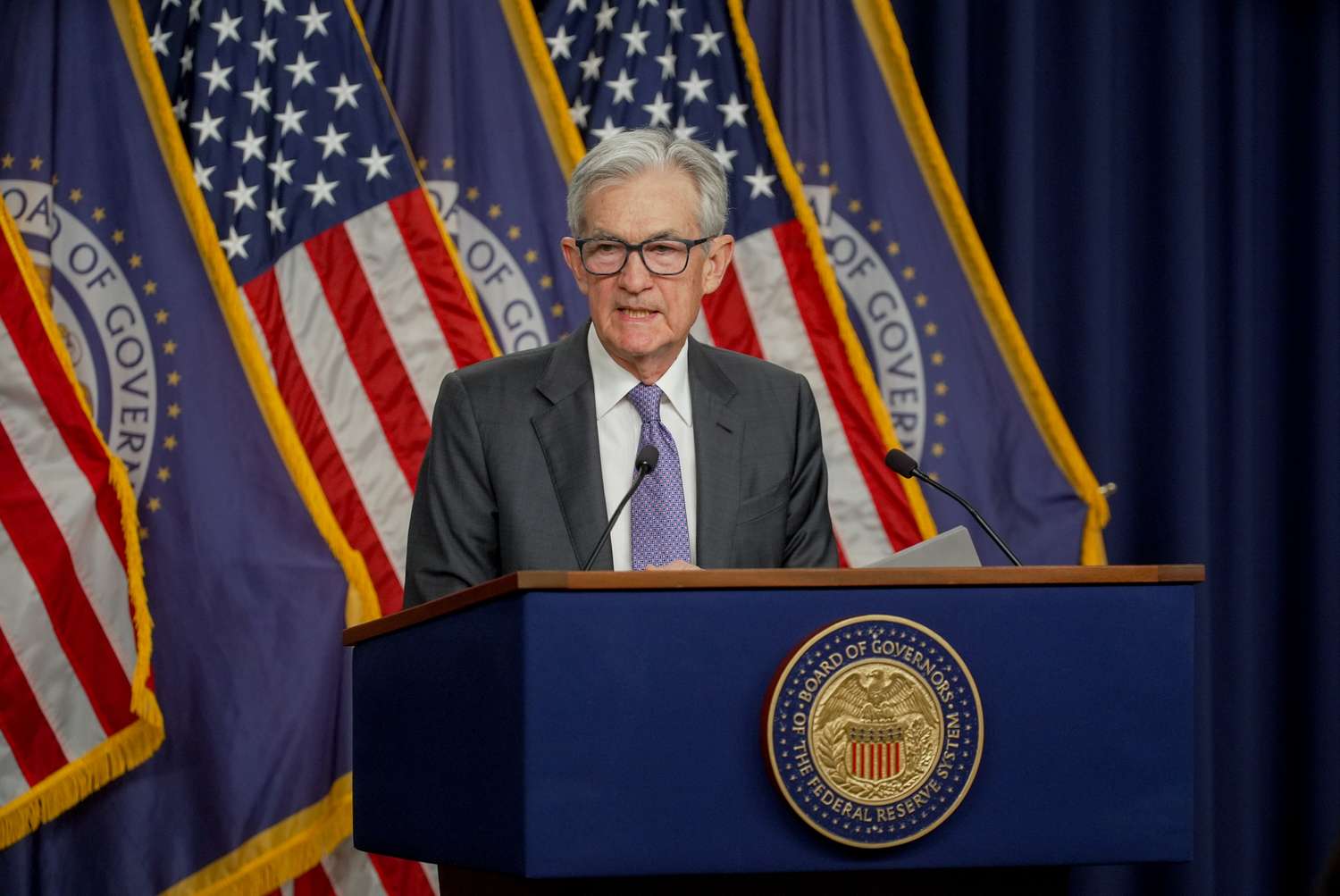
Core Insights - The Federal Reserve is facing a challenging 2026 with mixed economic signals and a leadership change as President Trump prepares to appoint a new Fed chair [1][9] - Analysts predict that the Fed may lower interest rates a couple of times due to signs of a weakening economy, particularly highlighted by the November jobs report [1][4] - The internal dynamics of the Federal Open Market Committee (FOMC) will play a crucial role in shaping interest rate decisions, with potential divisions among members [3][9] Economic Indicators - The labor market is showing signs of softening, with unemployment rising to 4.6% in November and only 64,000 jobs added [4] - Despite this, consumer spending and investments in artificial intelligence are contributing to overall GDP growth, which may mitigate risks to the labor market [4] - Economic data is expected to become less supportive of lower rates by mid-2026, complicating the Fed's decision-making process [4] Leadership Changes - Trump's nominee for Fed chair is expected to be finalized soon, with potential candidates including Fed Governor Chris Waller, former Fed Governor Kevin Warsh, and economist Kevin Hassett [6][7] - Betting markets suggest that Hassett is the most likely pick, raising concerns about his alignment with Trump's aggressive interest rate cut agenda [7] - The new Fed chair will need to navigate a divided committee, as past votes indicate challenges in achieving consensus on rate cuts [3][9] Federal Reserve Structure - The FOMC consists of 12 regional district heads who provide local perspectives, and their appointments have been secured for the next five years, enhancing the Fed's perceived independence [17][18] - The influence of the administration on the FOMC is expected to increase as Trump may have opportunities to appoint additional members to the Fed's Board of Governors [13][14] - Powell's future as Fed chair remains uncertain, with his term ending in May 2026, but he may choose to remain on the board to reinforce the Fed's independence [15][16]
What Will the Federal Reserve Look Like in 2026?
Investopedia· 2025-12-24 13:00
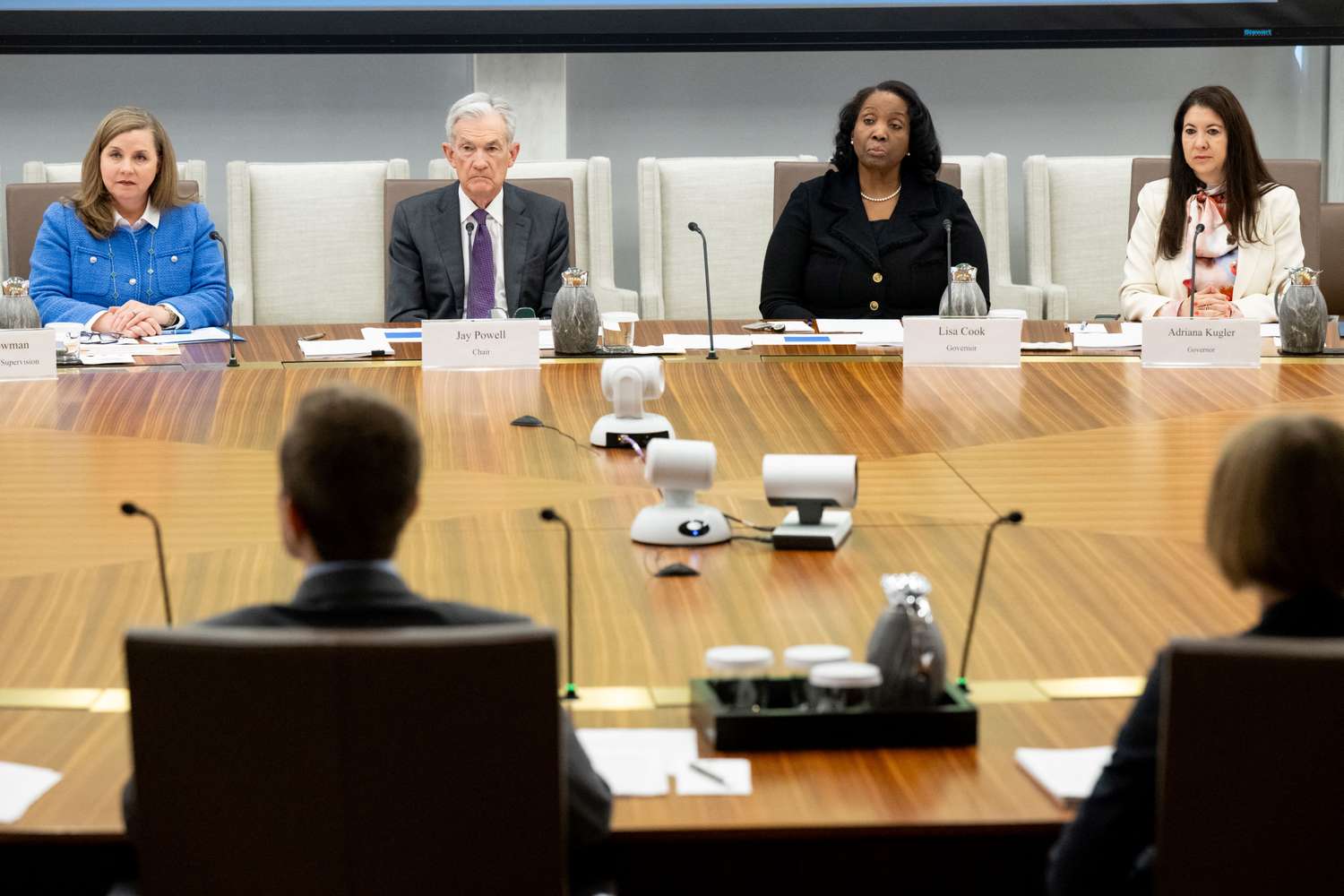
Core Insights - Significant changes are expected for the Federal Reserve in 2026, particularly with the expiration of Jerome Powell's term as chair, which may lead to new leadership that could influence interest rate policies [1][9] - President Trump is looking to appoint members to the Federal Reserve Board who are more aligned with his preference for aggressive interest rate cuts, potentially altering the board's composition [2][4] Federal Reserve Leadership Changes - Jerome Powell's term as chair ends in May 2026, but he may remain on the board as a voting member until 2028, although his intentions to stay are unclear [5] - Current board member Stephen Miran's term ends in January 2026, and he has advocated for aggressive interest rate cuts; he may return to his previous role as chairman of the White House Council of Economic Advisers [6] - The potential firing of Governor Lisa Cook by Trump could further change the board's dynamics, although economists suggest this may not significantly alter voting patterns on interest rates [7] Economic Implications - The Federal Reserve's interest rate policies significantly impact the economy, influencing costs for mortgages, car loans, and credit card debt, thereby affecting overall living costs and labor market health [3] - Despite potential changes in board membership, the Fed's direction on interest rates may remain stable, as many current members will continue to serve into 2027 [10][12] FOMC Voting Dynamics - The rotation of regional bank presidents in the FOMC is not expected to lead to substantial changes in interest rate policies, as new voters largely share similar views with their predecessors [11][12] - The Atlanta Fed will see a new president in 2026, as Raphael Bostic will not seek reappointment, but this position does not directly influence FOMC voting until 2027 [13]
Why Jerome Powell was right all along about interest rates, inflation and the economy
Yahoo Finance· 2025-12-24 01:20
Core Viewpoint - The article discusses the potential implications of Trump's influence over the Federal Reserve, particularly regarding interest rate policies and economic conditions in the coming years, highlighting concerns about inflation and the Fed's independence. Group 1: Economic Data and Trends - The U.S. economy showed stronger-than-expected growth in the third quarter, with GDP increasing at an annualized rate of 4.3%, surpassing expectations [6] - Inflation rose to 2.8% from 2.1% in the spring, indicating persistent inflationary pressures above the Fed's 2% target [6][8] - The consumer-price index increased by 2.7% over the past year, with the annualized inflation rate estimated to be back above 3% [8] Group 2: Federal Reserve and Interest Rates - Trump has criticized Fed Chair Powell for not cutting short-term interest rates sufficiently, labeling it as "monetary malpractice" [1][5] - The Fed's short-term interest rates, which influence various borrowing costs, are distinct from long-term rates set by the bond market, which are affected by inflation expectations [11][13] - A cut in short-term rates by the Fed could lead to rising long-term rates if the bond market perceives an overheating economy, as seen in 2024 when the yield on 10-year Treasury bonds rose to 4.19% [14] Group 3: Political Influence and Future Outlook - Trump's term as Fed chair ends in May, and he is expected to nominate a loyalist, potentially increasing his influence over the Fed [2] - Despite Trump's declining political clout, with a minus-15% approval rating, there are concerns about the Fed's independence if more loyalists are appointed [15] - The article suggests that Trump's previous demands for rate cuts were politically motivated, allowing him to blame Powell if the economy faltered, but the current economic performance complicates this narrative [17]
Wall Street Has a Federal Reserve Problem That Could Turn Ugly for Stocks in 2026
Yahoo Finance· 2025-12-19 11:05
Core Viewpoint - The potential appointment of a new Federal Reserve Chair by President Trump could significantly impact the stock market, especially if the new Chair is influenced by political pressures rather than independent economic assessments [3][12][15]. Group 1: Federal Reserve and Interest Rates - Jerome Powell has served as the Federal Reserve Chair since 2018 and has maintained a stance of independence despite political pressures and economic challenges [2][6]. - Powell's term is set to end in May 2026, coinciding with a midterm election year, which historically has seen market volatility due to inflation and interest rate hikes [3][4]. - The S&P 500 Index is currently viewed as expensive, with concerns that the market may face similar conditions to those seen in previous bear markets of 2018 and 2022 [5][7]. Group 2: Political Influence and Market Implications - President Trump has been critical of Powell, particularly regarding interest rate decisions, and has indicated a desire for a new Chair who will align more closely with his economic views [8][12]. - The potential candidates for the new Fed Chair include Kevin Warsh and Kevin Hassett, with concerns that Hassett may lack independence due to his current role in the Administration [12][13]. - Historical precedents show that political pressure on the Federal Reserve can lead to detrimental economic outcomes, particularly during periods of rising inflation [9][10][11]. Group 3: Future Considerations - Investors should closely monitor the actions and statements of the new Fed Chair once appointed, especially in relation to inflation data and interest rate decisions [15]. - If inflation remains above the Fed's target and the new Chair keeps rates low, it could signal future inflationary problems, echoing past economic challenges [15][16].