Oil supply disruption

Search documents
Oil taps $101 as Iran dramatically changes strategy and IEA calls conflict biggest supply disruption in history
MarketWatch· 2026-03-12 10:35
Core Viewpoint - Concerns persist in the oil market despite the International Energy Agency (IEA) members agreeing to release the largest amount of oil from emergency supplies in history [1] Group 1: IEA Actions - IEA members have decided to release a record volume of oil from emergency reserves to address supply concerns [1] - This release is aimed at stabilizing the oil market amid ongoing geopolitical tensions and supply chain disruptions [1] Group 2: Market Reactions - Despite the IEA's actions, market worries remain, indicating a lack of confidence in the effectiveness of the release to alleviate price pressures [1] - The oil market continues to experience volatility, reflecting broader economic uncertainties and potential demand fluctuations [1]


World faces largest-ever oil supply disruption on Middle East war, IEA says
Reuters· 2026-03-12 09:01
Core Viewpoint - The ongoing war in the Middle East is causing the largest oil supply disruption in history, according to the International Energy Agency (IEA) [1]. Group 1: Oil Supply Disruption - Middle East Gulf countries have reduced total oil production by at least 10 million barrels per day (bpd), which is nearly 10% of global demand, due to the conflict [2]. - The IEA warns that without a swift resumption of shipping flows, the losses in oil supply are expected to increase [2]. Group 2: Strategic Stockpiles - The IEA has agreed to release a record volume of oil from strategic stockpiles in response to the supply disruptions caused by the war [1].
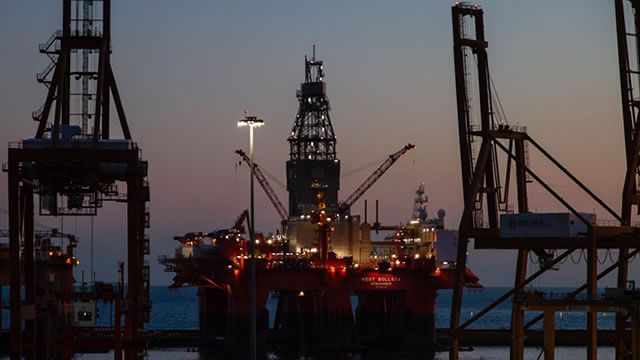
IEA's 'historic' reserve oil release will take 60-90 days to physically hit markets: Strategist
Youtube· 2026-03-12 08:17
Core Viewpoint - The oil market is currently experiencing significant uncertainty due to a large release of 400 million barrels from stockpiles, which is the largest supply disruption since the 1970s, and the timeline for delivery remains unclear [2][8]. Group 1: Supply Disruption and Market Response - The release of 400 million barrels is unprecedented, exceeding previous IEA drawdowns and more than double the amount released after Russia's invasion of Ukraine [2]. - The market is in a state of panic, with prices currently at $94 per barrel, influenced by fear and uncertainty regarding the supply situation [7]. - The expectation is that it will take between 60 to 90 days for the released oil to reach the market, which is longer than investors would prefer [6][8]. Group 2: Impact of Geopolitical Events - The ongoing military actions in the Persian Gulf have led to a significant reduction in oil supply, with estimates suggesting that 15 to 20 million barrels per day are offline due to the conflict [10]. - There is optimism that tanker traffic will normalize after the military actions cease, as there has been minimal damage to energy infrastructure in Iran and neighboring countries so far [3]. Group 3: Strategic Reserves and Global Demand - The global economy requires approximately 100 million barrels of oil per day, and the current crisis has created a gap that needs to be filled urgently [9]. - If all 32 IEA countries coordinate, they could potentially release around 5 million barrels per day, which would be a significant increase compared to past crises [12]. - China and India, while not IEA members, possess substantial strategic oil reserves that could enhance the effectiveness of the IEA's response if they participate [13].

Oil climbs as Iran steps up attacks on Gulf shipping
Reuters· 2026-03-12 01:30
Oil Market Impact - Oil prices surged significantly, with Brent futures rising by $8.54, or 9.28%, to $100.52 per barrel, and U.S. West Texas Intermediate crude increasing by $7.22, or 8.28%, to $94.47 [2] - The rise in oil prices is attributed to heightened tensions in the Middle East, particularly due to Iran's attacks on oil and transport facilities, raising concerns about prolonged conflict and disruptions in oil flow through the Strait of Hormuz [1][3] Geopolitical Tensions - Iranian military officials warned that oil prices could reach $200 per barrel, linking price stability to regional security, which they claim has been destabilized by U.S. actions [3] - There are no signs of de-escalation in the Gulf, leading analysts to predict that disruptions to oil flows through the Strait of Hormuz will continue [3][4] Supply Chain Concerns - The International Energy Agency (IEA) has agreed to release a record 400 million barrels of oil to mitigate price spikes caused by the conflict, with the U.S. contributing 172 million barrels from its Strategic Petroleum Reserve [5] - Analysts express skepticism about the IEA's release being a long-term solution, citing potential long-term supply crunches due to ongoing disruptions and production halts in the Middle East [6] Recent Incidents - Two foreign tankers carrying Iraqi fuel oil were attacked in Iraqi territorial waters, leading to fires on the vessels, with initial investigations indicating that explosive-laden boats from Iran were responsible [4][5] - The ongoing attacks and security issues have resulted in halted shipping through the Strait of Hormuz, further exacerbating supply concerns [7]

Oil prices up 4% as supply fears mount despite record stocks release plan
Yahoo Finance· 2026-03-11 17:53
Group 1: Oil Price Movements - Oil prices increased by more than 4% due to fresh attacks on ships in the Strait of Hormuz, raising supply disruption fears [1] - Brent futures rose by $3.88, or 4.4%, reaching $91.68 per barrel, while U.S. West Texas Intermediate increased by $3.38, or 4.1%, to $86.83 per barrel [1] Group 2: Supply Disruptions - At least 14 vessels have been struck by projectiles in the Strait of Hormuz since the onset of the Iran conflict, leading to a near standstill in shipping and affecting around 20% of the world's oil supply [2] - The U.S. Navy has declined requests for military escorts for tankers in the Strait of Hormuz due to high attack risks [3] Group 3: International Energy Agency (IEA) Response - The IEA proposed a record release of 400 million barrels of oil to mitigate rising energy prices, which have increased by over 25% since the U.S.-Israeli conflict with Iran began [4] - This proposed release is more than double the 182 million barrels released in 2022 following Russia's invasion of Ukraine, but analysts consider it insufficient to address prolonged supply losses from the Middle East conflict [5] Group 4: U.S. Oil Inventory and Infrastructure Impact - A U.S. government report indicated that crude oil stockpiles increased more than expected, while gasoline and distillate fuel stocks dropped more than anticipated [6] - ADNOC has shut down its Ruwais refinery due to a fire caused by a drone strike, highlighting ongoing disruptions in energy infrastructure linked to the U.S.-Israeli war on Iran [6]
Interior Secretary Burgum calls for IEA to release oil reserves to address supply shortage
CNBC· 2026-03-11 13:21
Core Viewpoint - The U.S. Interior Secretary Doug Burgum advocates for the International Energy Agency (IEA) to release oil stockpiles to mitigate the significant supply disruption caused by the Iran war [1][2]. Group 1: Oil Supply Disruption - The Iran war has resulted in the largest oil supply disruption in history, with tankers avoiding the critical Strait of Hormuz due to fears of attacks [3]. - Approximately 20% of global petroleum consumption passed through the Strait of Hormuz before the war, highlighting its importance for global oil exports [4]. Group 2: IEA Actions and Proposals - The IEA has proposed to release 400 million barrels of oil, marking the largest release in the organization's history [2]. - IEA member countries collectively hold about 1.2 billion barrels of oil in reserve, consisting of advanced economies in Europe, North America, and Northeast Asia [3]. Group 3: Temporary Transit Issues - Burgum emphasized that the current situation is not a global energy shortage but rather a temporary transit problem that can be resolved through military and diplomatic efforts [2]. - Releasing oil reserves at this time could alleviate pressure on global oil prices during this temporary disruption [2].

Crude Oil Jumps 4% as Traders Price In Supply Disruption
Yahoo Finance· 2026-03-11 10:47
Oil prices rebounded early on Wednesday as the market fears a massive supply crunch from the ongoing blockage at the Strait of Hormuz, which offset reports that the IEA is preparing its largest-ever release from strategic oil stocks. As of 6:31 a.m. EDT on Wednesday, the front-month Brent Crude futures prices moved above $90 per barrel again, having slumped to $88 at close on Tuesday. Brent was trading at $91.15, up by 3.80%. The U.S. benchmark, WTI Crude, was up above $86 per barrel, at $86.86, after ...
Iran sends millions of barrels to China through Strait of Hormuz even as war chokes the waterway
CNBC· 2026-03-11 03:49
Core Insights - Iran has continued to send significant amounts of crude oil to China via the Strait of Hormuz despite ongoing conflict with the U.S. and Israel, indicating resilience in its oil export strategy [1][2] Group 1: Oil Exports and Shipping Data - Since the war began on February 28, Iran has exported at least 11.7 million barrels of crude oil through the Strait of Hormuz, all directed towards China [2] - Shipping intelligence provider Kpler estimates that approximately 12 million barrels of crude oil have passed through the Strait since the onset of the conflict, with a substantial portion likely destined for China [3] - The shipping traffic through the Strait of Hormuz has significantly decreased since the war started, with many tankers avoiding the area due to safety concerns [4] Group 2: Security and Risks - Ten vessels in or near the Strait of Hormuz were attacked by Tehran shortly after the war began, resulting in the deaths of at least seven seafarers [5] - Iranian officials have warned that oil tankers must exercise extreme caution when transiting through the Strait due to the heightened risks [5] Group 3: Market Reactions - Oil prices have surged due to fears of supply disruptions stemming from the conflict, reflecting the market's sensitivity to geopolitical tensions in the region [6] - U.S. President Donald Trump has publicly encouraged vessels stranded near the Strait to proceed through, downplaying the risks posed by Iran [6]


IEA countries to meet later Tuesday on release of oil reserves, but no decision made yet
CNBC· 2026-03-10 14:55
Group 1 - Oil prices declined as U.S. President Donald Trump suggested the Middle East conflict could soon end, reducing concerns over prolonged oil supply disruptions [1] - The International Energy Agency (IEA) is holding an extraordinary meeting to discuss the potential release of oil stockpiles to mitigate supply disruptions caused by the Iran war [1][2] - The IEA's member countries, primarily advanced economies, hold approximately 1.2 billion barrels of oil in reserve, with an additional 600 million barrels in industry stocks under government obligation [2] Group 2 - Energy ministers from the G7 nations convened to explore options for addressing the oil supply disruption, with a proposed joint release of 300 million to 400 million barrels, which constitutes 25% to 30% of the IEA's reserves [3] - Oil tanker traffic through the Strait of Hormuz has faced significant disruptions due to threats from Iran, leading to the largest oil supply disruption in history, affecting about 20% of global petroleum consumption [4] - Gulf Arab oil producers have reduced output as they struggle to export crude through the Strait, with Saudi Aramco's CEO warning of catastrophic consequences for the global oil market if the conflict continues [5]

G7 energy ministers to meet Tuesday morning to discuss release of oil reserves, sources say
CNBC· 2026-03-09 16:38
Core Viewpoint - The G7 nations are considering a coordinated release of oil reserves in response to supply disruptions caused by the Iran war, with discussions ongoing among energy ministers and finance ministers [1][2][3]. Group 1: G7 Actions and Discussions - G7 finance ministers met to discuss the potential release of oil reserves but did not reach a decision [2] - The G7 members include Canada, France, Germany, Italy, Japan, the United Kingdom, and the United States, and they are having positive discussions regarding coordinated actions [2] - Any decision on releasing reserves is expected to follow the energy ministers' meeting [2] Group 2: Oil Supply and Pricing - The U.S. is considering a joint release of 300 million to 400 million barrels, which would account for 25% to 30% of the total 1.2 billion barrels in reserves [3] - Oil prices have surged above $100 per barrel due to the closure of the Strait of Hormuz, which is critical for oil exports [3] - Prices have since pulled back to around $95 per barrel for U.S. crude and just under $100 for Brent, as expectations of a reserve release grow [4] Group 3: Supply Disruption Analysis - The closure of the Strait of Hormuz has led to the largest oil supply disruption in history, affecting about 20% of global oil consumption [4] - There is no spare capacity to address this disruption, as Saudi Arabia and the UAE are cut off from the global oil market [5] - The U.S. Strategic Petroleum Reserve, currently at 415 million barrels (58% of its total capacity), is insufficient to offset the supply issues in the Persian Gulf [5] Group 4: International Energy Agency Response - Member states of the International Energy Agency are expected to face pressure to release their strategic stocks, as this is seen as the only remaining option to respond to the supply crisis [6]