Affordability Crisis

Search documents
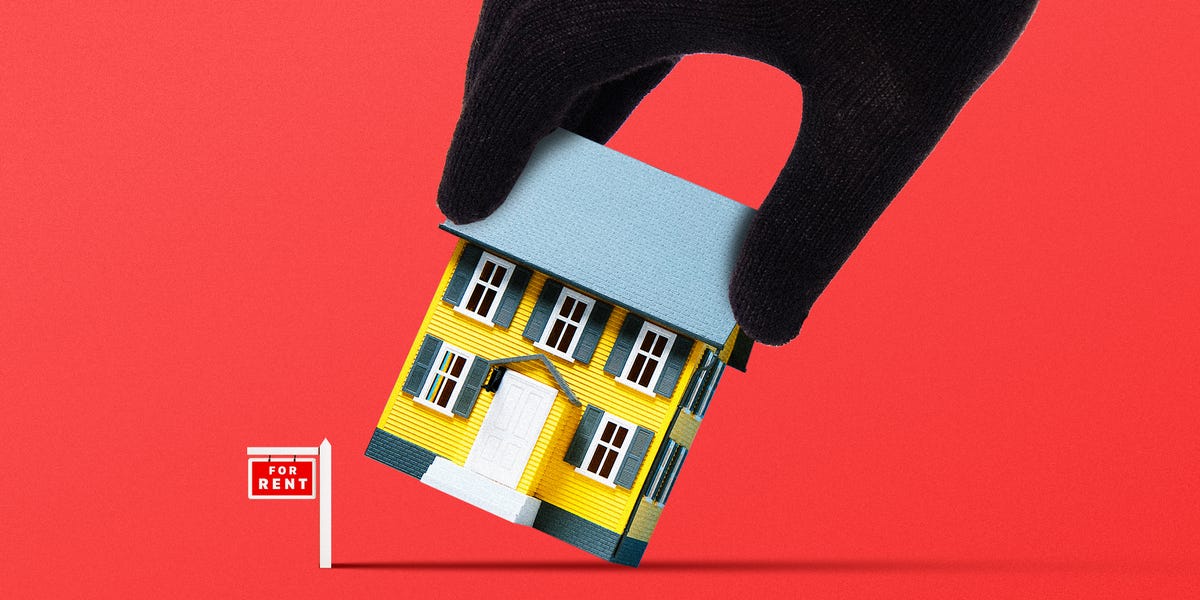
New Real Estate Scam: Lease Fraud Drives up Rents, Worsens Home Search
Business Insider· 2025-10-08 08:49
Core Insights - The article highlights a significant rise in leasing application fraud, with scammers using various tactics to secure rental properties, impacting both landlords and honest renters [3][4][6]. Group 1: Nature of the Fraud - Leasing fraud can be categorized into "first-party fraud," where applicants use their real identity but provide fake financial documents, and "third-party fraud," involving stolen identities or fabricated personas [5]. - The pandemic and advancements in technology, particularly AI, have facilitated the increase in sophisticated fraud attempts, making it easier for scammers to create convincing fake documents [6][12]. Group 2: Impact on Landlords - A survey by the National Multifamily Housing Council found that 70% of apartment operators reported an increase in fraudulent applications over the past year, with nearly 24% of evictions linked to fraud [6][14]. - Property management companies like Greystar have flagged up to 50% of applications in certain areas as fraudulent, indicating a widespread issue [7][12]. Group 3: Consequences for Renters - The rise in fraud has led to stricter screening processes, making it more difficult for honest renters to secure housing, potentially resulting in higher application fees and rent hikes [4][15][18]. - The eviction process related to fraudulent applications can take months, further limiting available rental units for legitimate tenants [6][15]. Group 4: Industry Response - Companies specializing in identity and income verification, such as Snappt, have seen increased demand for their services as landlords seek to combat fraud [13][24]. - The article suggests that while landlords face challenges from fraud, the focus on this issue may distract from the broader affordability crisis in housing [16][25].


US Households Grapple With 29% Grocery Surge, As Dollar Loses 25% of Value: 'Affordability Is Still Getting Worse,' Says Market Expert
Yahoo Finance· 2025-09-30 18:31
Core Insights - American households are experiencing increasing financial strain due to rising costs of everyday essentials, which are outpacing wage growth and eroding purchasing power [1] - The affordability crisis is worsening, with basic necessities becoming more unaffordable since February 2020, including a 29% increase in grocery prices and a 30% rise in overall food prices [2][4] - The cost of food away from home has surged by 33%, and transportation services have increased by 36%, leaving families with limited budget flexibility [3] - The U.S. Dollar's purchasing power has decreased by nearly 25%, while wage growth has significantly slowed, contributing to the affordability crisis [4] - The Personal Consumption Expenditures price index rose by 2.7% year-over-year in August, exceeding the Federal Reserve's 2% inflation target [4] - Economists have noted that 72% of the Consumer Price Index components are rising above the Fed's inflation target, largely due to trade and tariff policies [5] - The Federal Reserve's recent interest rate cut of 25 basis points may exacerbate inflationary pressures, with further cuts anticipated [6]
X @Anthony Pompliano 🌪
Anthony Pompliano 🌪· 2025-07-25 11:51
Financial Education - The affordability crisis in America stems from the lack of financial education in schools [1]
X @Anthony Pompliano 🌪
Anthony Pompliano 🌪· 2025-07-17 19:21
Economic Commentary - Discussion on whether Jerome Powell will be fired [1] - Analysis of the increasing unaffordability of goods and services [1] Technology & Automation - Examination of Amazon's obsessive attention to detail under Jeff Bezos [1] - Observation of the increasingly strange behavior of robots [1]
This Housing Crisis Is Way Worse Than 2008…Here’s Why
Coin Bureau· 2025-06-29 12:45
Housing Market Analysis - The housing market is not crashing in a 2008-style implosion, but rather experiencing a slow decline due to unaffordability and gridlock [1] - The US average 30-year fixed rate mortgage rate increased by 130% within a year, rising from 3% in late 2021 to 7% in late 2022 [1] - Nearly 75% of all US households, approximately 100 million households, cannot afford to buy a medium-priced home [2] - A mere $1,000 increase in the price of a home is enough to push an additional 115,000 households out of the market, and a 0.25% increase in mortgage rates excludes another 1.1 million households [2] Supply and Demand Dynamics - In the US, over 80% of current homeowners have a mortgage rate under 6%, creating a "locking effect" that reduces housing supply [2] - US building permits recently dropped to a nearly 5-year low of 1.39 million units, and housing starts fell even more sharply to a 5-year low of 1.25 million units [2] - The US needs at least 2 million new homes every year to meet demand [2] - Gen Z makes up only 3% of buyers, with the median age for a first-time buyer now at 38 years old [2] Risks and Challenges - US foreclosure filings in May were up 9% from a year ago, while completed foreclosures shot up 34% in the last year [3] - A new analysis of commercial mortgage-backed securities debt shows 6.42% of borrowers were 30 or more days delinquent or in foreclosure [3] - The office loan delinquency rate is at 7.8%, and the rate of loans transferred to special servicing has hit a 25-year high of 16.19% [3] - Over $300 billion worth of mortgages in Canada are set for renewal this year, many of which were signed when rates were at historic lows [3]