Renewable Energy Transition

Search documents
Comstock (NYSEAM:LODE) Fireside Chat Transcript
2025-11-18 17:02
Summary of the Conference Call Company Overview - The company is focused on sustainable metals, renewable fuels, mineral properties, and real estate, with a notable emphasis on solar panel recycling technology that recycles 100% of the materials in solar panels, including silver and aluminum [1][4][10]. Core Business Strategy - The overarching goal is to accelerate the commercialization of technologies that address market problems and supply chain constraints [4][5]. - The management structure is designed to be non-siloed, organizing teams around specific goals rather than functional roles, which enhances collaboration and problem-solving [6][8]. Financial Milestones - The company has successfully eliminated all debt and raised significant capital, including $20 million from Marathon Petroleum and over $34 million for metal scale-up [10][12]. - The financial position is strong, allowing for growth and operational execution without future obligations [12]. Solar Panel Recycling Operations - The company has developed a unique solar panel recycling technology that is certified as a zero-landfill solution, efficiently processing panels at a rate of one every seven seconds, equating to 3.3 million panels per year [15][16]. - The recycling process generates significant revenue streams, including $500 per ton for taking panels and $250 per ton for selling the recycled materials [21][22]. - The company aims to establish multiple facilities across the U.S. to capture a significant share of the solar panel recycling market, particularly in regions with high panel deployment [24][25]. Silver Market Insights - The company is positioned to become a leading silver producer, with potential output from recycling operations reaching up to 4 million ounces annually [20]. - Demand for silver is expected to grow significantly due to its use in electrification, EVs, and solar panels, with projections indicating a supply-demand gap that could drive prices higher [30][31]. Mining Operations - The company holds a strategic mineral district with low maintenance costs, providing a hedge against monetary devaluation and a platform for future production [33][34]. - There are plans to publish a preliminary economic assessment to highlight the potential of these mining assets [36]. Real Estate Holdings - The company's real estate in Nevada is benefiting from the growth of data centers and industrial developments, significantly increasing property values [38][39]. - There are opportunities to monetize these holdings through partnerships and sales to data center operators [39][40]. Renewable Fuels Business - The company is involved in advanced biofuel technologies, focusing on overcoming bottlenecks in converting waste biomass into fuel [41][42]. - Partnerships with Marathon Petroleum and other firms are crucial for scaling up operations and achieving cost parity with petroleum [46][49]. - Plans include establishing a bio-refinery capable of producing 10-15 million gallons of fuel annually, with long-term goals of scaling to 115-120 million gallons [51][52]. Regulatory Environment - The renewable fuel standard is firmly established, providing a stable regulatory framework for the fuels business [55][56]. - The company is advocating for stronger regulations against hazardous waste disposal, which could benefit its recycling operations [57][58]. Key Signposts for Investors - Upcoming permits for processing universal waste materials are expected to be finalized by Christmas, with operational commissioning planned for early next year [61][62]. - The order pipeline for solar panel recycling is growing, indicating potential for significant revenue increases in the coming years [62]. Conclusion - The company is well-positioned in the sustainable metals and renewable fuels sectors, with strong financial backing, innovative technologies, and strategic partnerships that support its growth trajectory [64].

South Korean growers sue state power utility, blaming climate change for crop damage
ABC News· 2025-11-14 03:48
Core Perspective - A group of South Korean farmers, led by Hwang Seong-yeol, has filed a lawsuit against Korea Electric Power Corporation (KEPCO) and its subsidiaries, claiming that their reliance on fossil fuels has exacerbated climate change, leading to agricultural losses [3][4][9]. Group 1: Lawsuit Details - The lawsuit is the first of its kind in South Korea, questioning the quantification of power companies' contributions to climate change and the resulting agricultural damage [4]. - The plaintiffs are seeking initial damages of 5 million won ($3,400) per farmer, with a symbolic request for 2,035 won ($1.4) each to advocate for the phase-out of coal power by 2035 [11]. - KEPCO produced approximately 30% of South Korea's greenhouse gas emissions from 2011 to 2022, which corresponds to about 0.4% of global emissions [10]. Group 2: Impact on Agriculture - Farmers are experiencing significant crop damage due to increasingly erratic weather patterns attributed to climate change, with Hwang expecting a yield reduction of 20% to 25% this year [6][8]. - The South Korean government reported that extreme weather events in 2024 led to "agricultural disasters," affecting thousands of hectares of cropland, particularly rice [8]. - Farmers are facing higher production costs and must use more labor and pesticides to manage the impacts of climate change on their crops [17]. Group 3: Energy Transition Challenges - South Korea's energy mix in 2024 included only 10.5% renewable energy, with KEPCO subsidiaries relying on coal for over 71% of their electricity production [11]. - Experts highlight that KEPCO's significant debt, exceeding 200 trillion won ($137 billion), limits its ability to invest in renewable energy and modernize the power grid [12]. - The slow transition to renewable energy in South Korea may hinder the country's ambitions in advanced technology sectors, as global pressure mounts for cleaner energy operations [16].



Renewable Energy & Battery Stocks to Watch as Renewables Beat Coal
ZACKS· 2025-11-13 19:52
Industry Overview - The global renewable energy sector is experiencing significant growth driven by increasing demand from transportation and AI sectors, alongside decreasing costs for solar and wind energy [1][2] - The intermittent nature of renewable energy sources presents a critical challenge, necessitating advancements in energy storage solutions [1][2] Energy Storage Market - The energy storage market is emerging as a cornerstone of the global energy transition, supported by falling prices and government backing [2] - Global energy storage battery shipments reached 246.4 GWh in the first half of 2025, marking a year-on-year increase of 115.2% [4] Renewable Energy Generation - For the first time, renewable energy sources generated more power than coal, with a 31% increase in global solar generation and a 7.7% rise in wind energy [3] - The International Energy Agency predicts that global renewable power capacity will double from 2015 to 2030, increasing by 4,600 GW [8] Company Developments - Ameren Corp. plans to construct a 250 MW solar facility and aims to expand its renewable generation portfolio by adding 3,200 MW by 2030 [10][11] - American Electric Power Company has received approvals for 1,826 MW of renewable generation facilities and plans to invest $8.6 billion in renewables through 2027 [14][15] - Canadian Solar has a robust pipeline with 27.3 GWp of solar projects and 80.2 GWh of battery storage projects, indicating a strong position in the market [17][18] Future Outlook - Factors such as rising electricity demand, electric vehicle adoption, and favorable policies in emerging markets are expected to drive growth in renewable energy and storage [6] - The recent trade truce between the U.S. and China regarding rare earth elements has renewed optimism for the U.S. clean energy industry [7]



3 No-Brainer High-Yield Energy Stocks to Buy Right Now
The Motley Fool· 2025-11-13 09:35
Core Viewpoint - The energy sector is crucial to the global economy and can be volatile, making careful stock selection essential for investors, especially those focused on dividends [1]. Group 1: Chevron - Chevron is an integrated energy company with exposure across the entire energy value chain, which helps mitigate the volatility associated with commodity prices [3]. - The company boasts a strong balance sheet with a debt-to-equity ratio of 0.22x, allowing it to manage downturns effectively and maintain its dividend, which has been increased annually for 38 consecutive years [4]. - Chevron's current dividend yield is 4.4%, making it a more attractive option compared to ExxonMobil's 3.5% yield [6]. Group 2: Enterprise Products Partners - Enterprise Products Partners operates as a master limited partnership (MLP) and focuses on midstream energy infrastructure, charging fees for the use of its assets, which reduces exposure to commodity price fluctuations [7]. - The company has increased its distribution for 27 consecutive years, with a distribution yield of approximately 7% [8]. - While the MLP structure may lead to slower growth, it is appealing for conservative dividend investors [10]. Group 3: TotalEnergies - TotalEnergies is transitioning from traditional oil and gas profits to renewable energy, with its renewable division growing 17% in 2024 and 3% in the first nine months of 2025 [11]. - The company maintains its dividend during this transition, offering a yield of 6.1% [13]. - Unlike peers BP and Shell, which cut dividends to fund clean energy initiatives, TotalEnergies has committed to its clean energy strategy without sacrificing dividends [13]. Group 4: Investment Considerations - Chevron, Enterprise Products Partners, and TotalEnergies are all viable options for investors seeking energy sector exposure with dividend income, each catering to different investment strategies [14].


Successfully Closing a Power Plant? It's All in the Details
Yahoo Finance· 2025-11-12 23:26
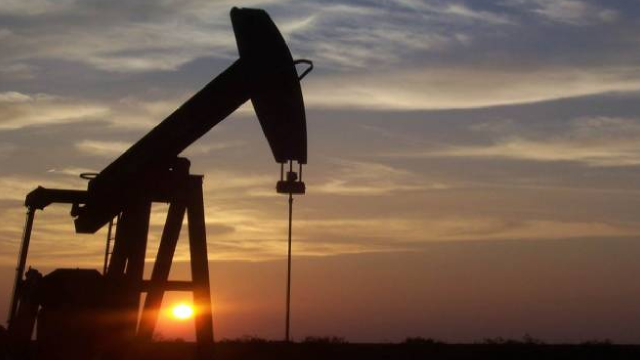
Core Insights - The decommissioning of power plants, including thermal and renewable facilities, is increasingly driven by economic, operational, regulatory, and strategic factors as older plants become uneconomic or reach the end of their lifecycle [1][2][3] - The process of decommissioning is complex and multi-faceted, requiring strategic planning, technical expertise, and compliance with environmental regulations [1][3][10] - A notable trend is the potential for restarting closed nuclear plants in response to rising electricity demand, with several facilities in the U.S. and Europe planning to resume operations [5][6][7][8] Decommissioning Process - Decommissioning involves several phases, including planning, hazard mitigation, equipment dismantling, demolition, environmental remediation, and waste management [12][16][17] - The initial phase requires a robust decommissioning plan that includes environmental assessments and stakeholder engagement [13][16] - Hazardous materials must be safely handled and disposed of according to strict regulations, with particular attention to substances like asbestos and PCBs [9][12][16] Economic Factors - The economic viability of power plants is often compromised by rising operational and maintenance costs, leading to closures, particularly in coal-fired units as natural gas and renewables become more competitive [2][3] - Private equity firms often drive decommissioning decisions, focusing on short-term returns and opting for closure over reinvestment in aging facilities [13][17] - Utilities may face challenges in recovering investments from prematurely retired plants, necessitating regulatory approval for undepreciated balances [3][12] Regulatory and Environmental Considerations - Decommissioning must comply with local, state, and federal environmental regulations, which can change unexpectedly and complicate planning [9][10][17] - The management of waste generated during decommissioning is critical, with a focus on recycling and proper disposal to meet regulatory standards [9][12][15] - The complexity of decommissioning increases with multi-unit sites, requiring precise engineering and planning to ensure safety and compliance [11][17] Case Studies and Trends - The Tri Center Naniwa Energy Gas Plant in Nevada exemplifies successful decommissioning and redevelopment, transforming a retired facility into a data center [10] - The Bruce Mansfield power plant in Pennsylvania is transitioning from coal to natural gas as part of a $3.2 billion investment, highlighting shifts in energy strategy [2] - The trend of restarting closed nuclear plants, such as the Palisades facility in Michigan, reflects a growing demand for electricity and a reevaluation of energy sources [5][6][7][8]
Clean Energy ETFs Hit 52-Week Highs As Renewables Boom Continues - Bloom Energy (NYSE:BE), State Street SPDR S&P Kensho Clean Power ETF (ARCA:CNRG)
Benzinga· 2025-11-06 16:33
Core Insights - Clean energy ETFs are experiencing a resurgence, with several funds reaching new 52-week highs due to optimism surrounding solar and wind power demand, overshadowing political uncertainties [1][4] - The iShares Global Clean Energy ETF (ICLN) has seen a significant increase of over 55% this year, reflecting strong investor interest [1] - Global renewable investments have surged to nearly $400 billion in the first half of 2025, with solar energy accounting for more than half of this investment [5] Fund Performance - The iShares Global Clean Energy ETF (ICLN) rose 5.4% to a 52-week high of $18.20, while the Global X Cleantech ETF (CTEC) increased by 7.1% to reach $62.33 [1] - Other ETFs such as the SPDR Kensho Clean Power ETF (CNRG) and ProShares S&P Kensho Cleantech ETF (CTEX) also hit new highs, indicating a broad rally in the clean energy sector [3] Investment Trends - Gimbal Financial has opened a new stake in ICLN, purchasing 1.14 million shares valued at $17.6 million, which represents 10.56% of the firm's reportable assets [2] - The clean energy sector has outperformed the broader market, with the S&P Global Clean Energy Transition Index up approximately 50% year-to-date compared to the S&P 500's 16% gain [4] Market Dynamics - Despite challenges such as stalled turbine projects and expiring US tax credits, the transition to renewable energy is viewed as economically compelling [4] - The demand for energy, particularly driven by the growth in AI, has led to renewables representing 93% of the growth in energy capacity in the US this year [5] Key Players - First Solar Inc has raised its 2025 sales outlook following record Q3 results, with its stock up 49% year-to-date [6] - Bloom Energy Corp has seen a remarkable increase of 460%, indicating strong market enthusiasm for clean tech innovation [6]

Brookfield Renewable (BEPC) - 2025 Q3 - Earnings Call Presentation
2025-11-05 14:00
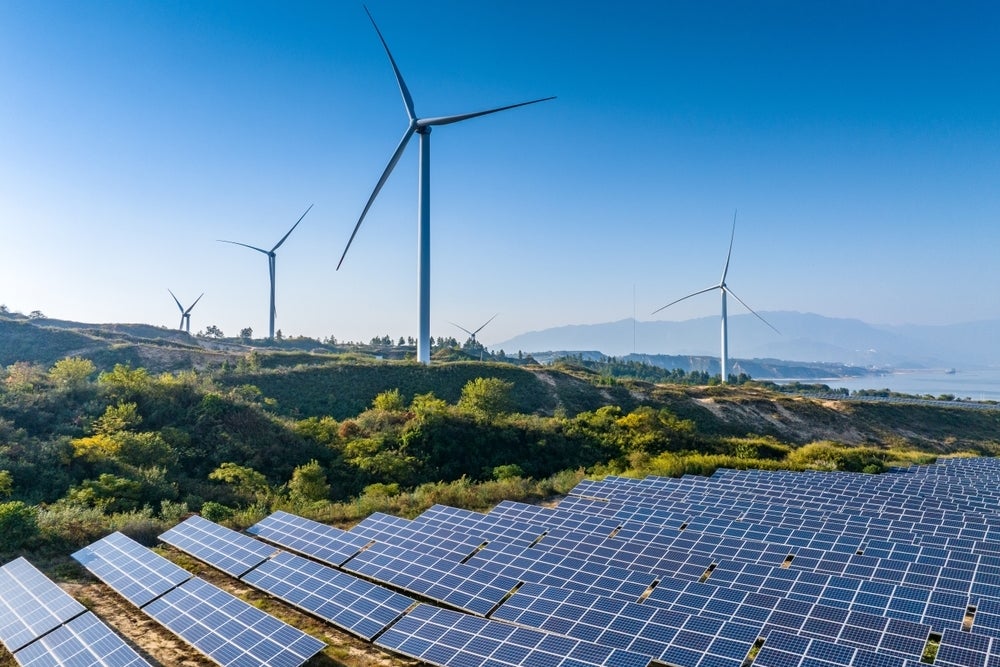
Financial Performance - Funds From Operations (FFO) reached $302 million, a 10% increase compared to the previous year, driven by improved hydroelectric results, growth activities, and inflation-linked cash flows[8] - Normalized FFO, adjusted for generation, was $352 million[8] - Available liquidity stands at approximately $4.7 billion[8] Operational Highlights - Capacity reached 48,673 MW[8] - Actual renewable generation was 7,186 GWh[8] - The company delivered approximately 1,800 MW of new capacity globally and expects to deliver approximately 8,000 MW in 2025[11] Growth and Development - Approximately $2.1 billion was committed or deployed across multiple investments[13] - The company completed the acquisition of a 15% incremental stake in Isagen for $1 billion[13] - The company raised approximately $1.1 billion across three hydro assets through upfinancings[14] Capital Allocation - Distributions of $0.373 per LP unit ($1.492 annualized) represent an over 5% increase from the prior year[8] - The company executed approximately $7.7 billion of financings in the quarter, bringing year-to-date financings to $27 billion[14] - The company closed and agreed to sell assets that will generate expected proceeds of approximately $2.8 billion[14] Contract Profile - Approximately 90% of generation, on a proportionate basis, is contracted for an average term of 13 years[19] - Approximately 70% of revenues are indexed to inflation[19]

With the gain of Brazilian contracts, Voltalia has surpassed 8 gigawatts of capacity under management for third parties, reaching its 2027 target two years ahead of schedule
Globenewswire· 2025-11-04 17:00
Core Insights - Voltalia has surpassed 8 gigawatts of capacity under management for third parties, achieving its 2027 target two years ahead of schedule [1][8] - The company signed 937 megawatts of new maintenance contracts in Brazil, contributing to the growth of its Services business [2][3] - Voltalia's strategic milestone reflects the trust from key industry players and strengthens its position as a preferred partner in services for third-party clients [3] Company Overview - Voltalia is an international player in renewable energies, producing and selling electricity from wind, solar, hydro, biomass, and storage facilities, with 3.3 gigawatts of capacity in operation and under construction, and a project portfolio totaling 17.4 gigawatts [3][4] - The company employs over 2,000 staff across 20 countries on three continents, enabling it to operate globally on behalf of its customers [6] Recent Developments - The new Operation & Maintenance contracts were signed with notable partners including Kroma Energia, EDP, Newave, Gerdau, and Kairós Wind managed by Semper Energia [2][7] - Recent contracts have also been established in Ireland, France, and Portugal, indicating a robust momentum in maintenance activities [2] Future Outlook - The next significant event for Voltalia is the Q4 Turnover announcement scheduled for January 28, 2026 [3]

Apollo Funds Commit $6.5 Billion to Ørsted’s Hornsea 3 in the UK
Globenewswire· 2025-11-03 19:00
Core Insights - Apollo has agreed to invest $6.5 billion for a 50% stake in Ørsted's Hornsea 3, the world's largest offshore wind project, which includes funding for half of the remaining construction costs [1][2][3] Investment Details - The Hornsea 3 project will have a capacity of 2.9GW, enough to power over 3 million UK households with renewable energy [2][3] - The investment structure includes an initial $3.25 billion upon closing, with the remaining $3.25 billion to be funded as the project meets construction milestones [3][4] Partnership Dynamics - Ørsted will manage the construction and provide long-term operations and maintenance services for Hornsea 3 [2][3] - Apollo's expertise in infrastructure and capital solutions is a key factor in Ørsted's decision to partner with them [4] Previous Investments - Apollo has a history of significant investments in European energy infrastructure, including a €3.2 billion investment in the German energy grid and a £4.5 billion commitment to EDF's Hinkley Point C nuclear power plant [5] Financing Structure - The senior financing for the Hornsea 3 project is led by Apollo-managed entities, with underwriting support from major banks including BNP Paribas and ING Bank [4]


Apollo Funds Commit $6.5 Billion to Ørsted's Hornsea 3 in the UK
Globenewswire· 2025-11-03 19:00
Core Viewpoint - Apollo has announced a $6.5 billion investment for a 50% stake in Ørsted's Hornsea 3, the world's largest offshore wind project, which will significantly contribute to renewable energy generation in the UK [1][2][3] Investment Details - The $6.5 billion investment includes both the acquisition price for the 50% interest in the joint venture and a commitment to fund 50% of the remaining construction costs [1] - Upon completion, Hornsea 3 will have a capacity of 2.9GW, enough to power over 3 million UK households [2] - The investment is expected to close before the end of 2025, with approximately $3.25 billion to be invested upon closing and the remaining amount to be funded as the project progresses [3][4] Strategic Importance - Ørsted views Apollo as a valuable partner due to its ability to provide long-term, comprehensive equity and financing solutions for large-scale infrastructure projects [4] - The partnership is expected to enhance energy security and support the UK's net zero ambitions [3] Recent Activities - This investment follows a series of large-scale capital solutions provided by Apollo for European energy infrastructure, including a €3.2 billion investment in the German energy grid and a £4.5 billion financing commitment for EDF's Hinkley Point C nuclear power plant [5]