
万物智联

Search documents
合作金额超320亿元 2025世界物联网博览会成果发布
Yang Zi Wan Bao Wang· 2025-11-03 14:55
Group 1 - The 2025 World Internet of Things (IoT) Expo resulted in the signing of 26 major projects with a total cooperation amount exceeding 32 billion yuan, including 18 projects valued over 1 billion yuan each [1] - The expo featured four major theme pavilions with nearly 400 participating companies from 20 countries and regions, including over 20 Fortune 500 companies and more than 40 listed companies, with a first-time participation rate of 20% [1] - Significant product launches included the global debut of the terahertz near-field communication smart computing terminal and channel camera by Huatai Jiguang, and the full series of logistics robots by JD Logistics [1] Group 2 - During the expo, several key facilities were inaugurated, including the Jiangsu MEMS Sensor and Integrated Circuit Manufacturing Technology Key Laboratory and the Industrial Internet Platform Empowerment Center [2] - China Telecom launched a one-stop global connection management platform and an "Industrial + AI" integrated service platform, while China Mobile unveiled a passive IoT innovation demonstration zone [2] - The establishment of the National IoT Advanced Manufacturing Cluster Expert Advisory Committee, comprising seven academicians and 50 industry experts, was announced [2] Group 3 - The 2025 IoT Technology and Application International Forum attracted international academicians and facilitated high-level intellectual collaboration for technology integration and industrial implementation [3] - The expo emphasized the theme "Everything Connected, Endless Frontiers," focusing on the dual empowerment of artificial intelligence and IoT, and showcased a high-level event with extensive influence [3] - Wuxi aims to leverage the outcomes of the expo to strengthen its core IoT industry, promote the evolution of the industry, and build a world-class IoT industrial cluster [3]



2025世界物联网博览会在无锡开幕信长星出席并启动开幕
Xin Hua Ri Bao· 2025-10-31 23:25
Core Insights - The 2025 World Internet of Things (IoT) Expo opened in Wuxi, emphasizing the integration of artificial intelligence and IoT for high-quality economic development [1][2] - The event highlighted the importance of technological innovation and industry collaboration to enhance the competitiveness of the IoT sector [2][3] Group 1: Event Overview - The expo was inaugurated by key officials, including the Secretary of the Provincial Party Committee and the Deputy Minister of the Ministry of Industry and Information Technology [1] - The theme of the expo is "Everything Connected, Endless Frontiers," focusing on the mutual empowerment of AI and IoT [3] Group 2: Strategic Goals - Jiangsu aims to deepen the integration of new technologies like IoT and AI with manufacturing, transitioning from "connecting things" to "connecting everything" [2] - The province is committed to building a modern industrial system and becoming a hub for IoT industry development with international competitiveness [2] Group 3: Key Announcements - The expo featured the release of the "Top Ten Global IoT Trends for 2025" and the establishment of key laboratories and centers to support industrial internet platforms [3] - Various activities, including thematic speeches and exhibitions, were organized to showcase the latest achievements in the IoT industry and discuss future development strategies [3]
视频丨抓住“十五五”历史机遇 开启智能未来
Yang Shi Xin Wen Ke Hu Duan· 2025-10-31 07:41
Core Insights - The "14th Five-Year Plan" emphasizes seizing historical opportunities presented by a new round of technological revolution and industrial transformation, particularly in strategic emerging industries such as new energy, new materials, aerospace, and low-altitude economy, which are expected to harbor trillion-level markets [2][4] Group 1: Strategic Emerging Industries - Key industries identified include quantum technology, biomanufacturing, hydrogen energy, nuclear fusion, brain-computer interfaces, embodied intelligence, and sixth-generation mobile communication, which are projected to create a new high-tech industrial scale equivalent to recreating China's high-tech sector [2] - The plan highlights the importance of practical implementation and innovation in these sectors to drive growth [2] Group 2: Artificial Intelligence Integration - The plan proposes "Artificial Intelligence+" as a critical strategy for high-quality development, aiming to lead a transformation in research paradigms and secure a competitive edge in AI applications [4][5] - Two significant milestones are set: by 2027, the penetration rate of new intelligent terminals and agents is expected to exceed 70%, and by 2030, it should surpass 90% [5] Group 3: Employment and Lifestyle Changes - The integration of AI is anticipated to create numerous new job opportunities centered around computing power, algorithms, and data, leading to new work forms such as "human-machine collaboration" [7] - AI is expected to revolutionize daily life, with intelligent assistants becoming commonplace, enhancing consumer experiences across various sectors [7][9] Group 4: Education and Talent Development - The demand for education tailored to "Artificial Intelligence+" is expected to surge, prompting a nationwide push for quality undergraduate education to align with these needs [9] - The overall societal structure is projected to change significantly, with AI influencing work, study, and daily life [9]

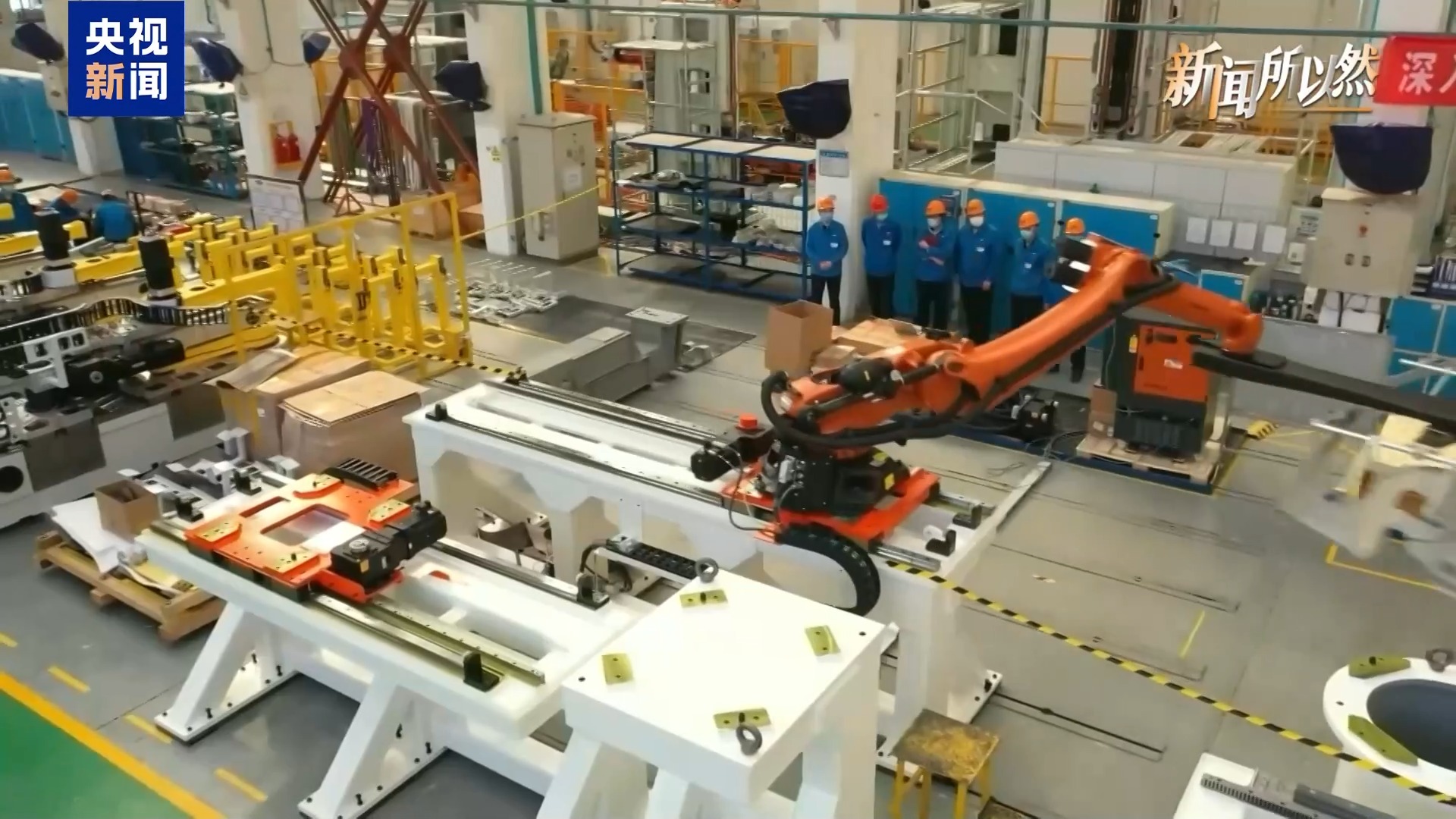
“十五五”规划建议里的历史机遇是指什么?
Yang Shi Wang· 2025-10-30 18:10
Core Viewpoint - The "14th Five-Year Plan" emphasizes seizing historical opportunities presented by a new round of technological revolution and industrial transformation, focusing on strategic emerging industries and the integration of artificial intelligence into various sectors [1][3]. Group 1: Strategic Emerging Industries - Key sectors identified include new energy, new materials, aerospace, low-altitude economy, quantum technology, biomanufacturing, hydrogen energy, nuclear fusion, brain-computer interfaces, embodied intelligence, and sixth-generation mobile communication, which represent trillion-level markets [1]. - The plan aims to create a new high-tech industry equivalent to rebuilding China's technological foundation over the next decade, with a strong emphasis on innovation [1]. Group 2: Artificial Intelligence Integration - The "14th Five-Year Plan" proposes using "Artificial Intelligence+" to lead a paradigm shift in scientific research and to capture the high ground in AI industry applications [1][3]. - Two critical milestones are set: by 2027, the penetration rate of new intelligent terminals and agents will exceed 70%, and by 2030, it will surpass 90% [3]. Group 3: Employment and Lifestyle Changes - The integration of AI will create numerous new job opportunities centered around computing power, algorithms, and data, leading to new work forms such as "human-machine collaboration" [5]. - The concept of "one-person companies" may emerge, reducing internal competition while increasing overall performance [5]. - AI will transform daily life, making intelligent terminals commonplace in households, providing seamless living experiences through integrated services [5][7]. Group 4: Education and Talent Structure - The demand for education tailored to "Artificial Intelligence+" will likely surge, prompting a nationwide push to expand quality undergraduate education to meet these needs [7]. - The integration of AI into work, study, and life is seen as a historical opportunity that the "14th Five-Year Plan" aims to capitalize on, heralding a future dominated by intelligent solutions [7].
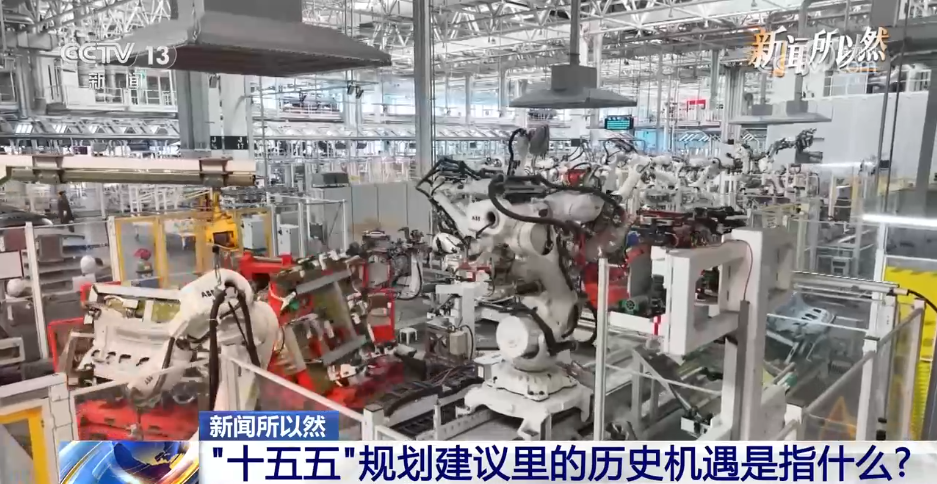
力合微电子PLC技术重构基础设施价值
Zheng Quan Ri Bao Wang· 2025-10-26 10:45
Core Insights - Shenzhen Lihua Microelectronics Co., Ltd. was awarded the title of "AI Vehicle-Home Ecosystem Gold Partner" at the Global Developer Conference and AI Terminal Ecosystem Conference, highlighting its strong technical foundation and contributions to the ecosystem [1] Company Summary - Lihua Microelectronics aims to break down interoperability barriers among different brands and types of smart devices, facilitating smart interconnectivity across mobile terminals, automotive terminals, and home spaces, thereby supporting the vision of "full-brand intelligent connectivity" [1] - The company's PLC (Power Line Communication) technology redefines the value of infrastructure by activating existing power line resources in homes and buildings, achieving "zero-cost coverage expansion" without the need for new network construction [1] - The communication success rate of Lihua Microelectronics' technology reaches 99.99%, significantly exceeding the reliability threshold of wireless technologies, with transmission distances exceeding one kilometer, overcoming spatial connectivity limitations [1] Industry Summary - The industry is experiencing a renewed recognition of the "value of connectivity," with PLC technology rapidly emerging as a mainstream communication method for the Internet of Things (IoT) due to its ability to utilize power lines, eliminate the need for additional wiring, and provide stable and reliable communication suitable for both pre-installation and retrofitting [1]

鸿蒙再进化,互联网巨头集体表态
Guan Cha Zhe Wang· 2025-10-24 10:17
Core Insights - HarmonyOS 6 has been officially launched, showcasing significant updates and improvements across various applications and devices, with over 60 products from the Tencent ecosystem already available [1][2][14] - The operating system aims to redefine user experience by enhancing fluidity, intelligence, security, and cross-device collaboration, moving beyond traditional operating systems [3][5][19] Group 1: Ecosystem Growth - As of October 22, the number of HarmonyOS 5 devices has surpassed 23 million, indicating rapid adoption and user trust [2][14] - The ecosystem has seen a substantial increase in developer engagement, with over 800,000 registered developers and more than 30,000 applications available [17][18] - The growth trajectory of HarmonyOS is accelerating, with the time taken to reach 23 million devices significantly reduced compared to earlier milestones [14][15] Group 2: Technological Advancements - HarmonyOS 6 introduces a new intelligent assistant, "Xiao Yi," capable of performing various tasks through voice commands, enhancing user interaction [5][6] - The system features improved cross-device collaboration, allowing seamless sharing and interaction between smartphones and computers [6][8] - Security enhancements include an upgraded "Star Shield" architecture that provides proactive safety measures, such as AI fraud detection during calls [6][8] Group 3: Developer Collaboration - The operating system fosters a collaborative environment for developers, enabling them to innovate and create applications that leverage HarmonyOS's unique features [12][19] - Notable applications like Alipay and Meituan have integrated HarmonyOS features to enhance user experience, demonstrating the platform's versatility [9][10][18] - The gaming sector is also benefiting, with over 15,000 games adapted for HarmonyOS, showcasing its potential as a gaming platform [13][19] Group 4: Future Outlook - The commitment from partners like Tencent, Alipay, and Meituan to continuously improve and innovate within the HarmonyOS ecosystem indicates a strong collaborative future [18][19] - The operating system is positioned not just as a competitor but as a leader in the next generation of operating systems, reflecting a broader shift in China's tech industry towards self-sufficiency and innovation [19]
鸿蒙越来越“6”,生态长征再迎全新里程碑
Guan Cha Zhe Wang· 2025-10-24 10:00
Core Insights - The launch of HarmonyOS 6 marks a significant milestone in the evolution of the Harmony ecosystem, with over 60 Tencent products now available and regular updates from partners like Alipay and Meituan [1][2] - HarmonyOS aims to create a next-generation operating system for the era of intelligent connectivity, moving beyond traditional operating systems like Windows, Android, and iOS [3][5] Group 1: Product Features and Innovations - HarmonyOS 6 introduces a "super assistant" named Xiao Yi, capable of performing various tasks such as photo editing and providing descriptions for visually impaired users, showcasing a comprehensive upgrade in intelligent experiences [5] - The new Harmony Star River interconnect architecture enhances cross-device collaboration, allowing seamless sharing of files and experiences between devices [5][7] - The security features of HarmonyOS 6 have been upgraded with the Star Shield security architecture, providing proactive safety measures such as AI fraud detection and privacy protection for financial applications [5][7] Group 2: Ecosystem Development - The ecosystem surrounding HarmonyOS is expanding rapidly, with over 2.3 million HarmonyOS 5 devices in use as of October 22, indicating strong user trust and support from partners [2] - The operating system is designed to foster innovation among developers by providing open access to core capabilities, enabling a cycle of developer innovation, enhanced user experience, and increased ecosystem attractiveness [7][8] - HarmonyOS is positioned as a collaborative platform rather than a closed system, encouraging deep co-creation with numerous developers [8]


超100亿元!荣耀,AI大动作
中国基金报· 2025-10-23 15:25
Core Viewpoint - Honor has invested over 10 billion yuan in AI research and is transforming into an AI terminal ecosystem company, emphasizing the importance of AI in the future of technology and smart devices [2][5]. Group 1: Transformation Strategy - Honor's transformation strategy is outlined in a "three-step" development path focusing on smart phones, smart ecosystems, and a smart world [5]. - The HONOR AI Connect platform has been upgraded to lower the entry barriers and R&D costs for ecosystem partners, having already connected over 30 million ecological devices since 2022 [5][6]. Group 2: Ecosystem Development - Honor aims to create a cross-brand, cross-scenario, and cross-device intelligent interconnected ecosystem through its "1×3×N" strategy, which includes the HONOR AI Connect platform and three modes of empowerment for partners [6]. - Eight AI scenario-based ecological solutions have been launched, covering areas such as smart home, smart vehicle connectivity, and health monitoring [11]. Group 3: Strategic Partnerships - Honor has established partnerships with leading companies like Midea Group and BYD to enhance its smart home and smart vehicle connectivity initiatives, with plans to achieve significant user interconnectivity by 2025 [12][13]. - The collaboration with BYD includes innovations in vehicle connectivity, emphasizing the integration of AI services and voice functionalities [12][13]. Group 4: Product Innovations - The launch of MagicOS 10, an AI intelligent operating system, aims to evolve from a passive tool platform to an active smart hub, focusing on enhancing user experience through AI capabilities [7][10]. - Future competition in smart operating systems will center around AI functionality rather than hardware specifications, highlighting the importance of maximizing hardware capabilities through AI [7].

突破物联边界 eSIM技术迈入商用新阶段
Zhong Guo Zheng Quan Bao· 2025-10-19 22:21
Core Insights - Apple CEO Tim Cook announced the official launch of the iPhone Air in China on October 22, following the approval of eSIM services by major telecom operators in China [1][2] - The introduction of eSIM technology marks a significant shift in the mobile communication landscape, enabling a new phase of commercial use for smartphones in China [1][3] eSIM Technology and Market Trends - eSIM is predicted to be a major trend, with GSMA forecasting that global eSIM smartphone connections will reach 1 billion by 2025 and 6.9 billion by 2030, accounting for 76% of total smartphone connections [2][3] - The iPhone Air, being eSIM-only, is Apple's thinnest model at 5.6 mm and 165 grams, allowing for enhanced design possibilities and improved battery life [2][3] User Experience and Convenience - eSIM technology simplifies the process of changing phone numbers, particularly benefiting travelers who can easily switch to local numbers without needing physical SIM cards [3][4] - Over 400 global operators are expected to provide eSIM services by July 2025, with a 29% adoption rate among 5G users [3][4] Industry Implications and Innovations - The shift to eSIM is anticipated to drive significant investment across the entire supply chain, including wearables, IoT devices, tablets, and laptops, as the Chinese market sees annual smartphone sales of 300 million units [4][5] - eSIM's remote number-switching capability poses challenges for telecom operators, necessitating enhancements in marketing strategies and customer service to retain user loyalty [6][7] Future Applications and Developments - eSIM technology is expected to expand into various applications, including pet devices and robotics, further enhancing connectivity in the IoT landscape [5][6] - Telecom operators are actively participating in the development of eSIM standards and technology, ensuring compatibility and security for users [7]


突破物联边界eSIM技术迈入商用新阶段
Zhong Guo Zheng Quan Bao· 2025-10-19 20:13
Core Insights - Apple CEO Tim Cook announced the official launch of the iPhone Air in China on October 22, following the approval of eSIM services by major telecom operators in China [1][2] - eSIM technology is seen as a key infrastructure for transforming the communication industry, enhancing user experience, and driving digital economic growth in China [1][3] eSIM Technology Adoption - eSIM is predicted to be a significant trend, with GSMA forecasting that global eSIM smartphone connections will reach 1 billion by 2025 and 6.9 billion by 2030, accounting for 76% of total smartphone connections [2] - The iPhone Air, being the thinnest iPhone at 5.6 mm and weighing 165 grams, benefits from the removal of the physical SIM card, allowing for a larger battery and increased battery life by approximately 2 hours [2] User Experience and Convenience - eSIM simplifies the process of writing user identities, making it easier for travelers to manage communication needs abroad without needing physical SIM cards [3] - Over 400 global operators are expected to provide eSIM services by July 2025, with a 29% adoption rate among 5G users [3] Industry Impact and Future Applications - The introduction of eSIM is anticipated to drive significant investment across the entire industry chain, including wearables, IoT devices, tablets, and laptops, as the Chinese market sees annual mobile phone sales of 300 million units [4] - eSIM is expected to play a crucial role in the IoT sector, with GSMA predicting that over 50% of IoT applications will utilize eSIM by 2030 [4] Challenges for Telecom Operators - The remote number-switching capability of eSIM may increase user autonomy in changing service providers, posing challenges for telecom operators in terms of revenue stability and necessitating enhancements in marketing strategies and service offerings [4][6] - Telecom companies are focusing on optimizing eSIM services to meet diverse user needs and improve overall user experience [5][6]