形式化验证系统(Formal Verification Systems)

Search documents
陶哲轩对谈 OpenAI 高管:“试错成本”无限趋零,AI 正在把数学变成一门重工业
AI科技大本营· 2026-03-10 08:26
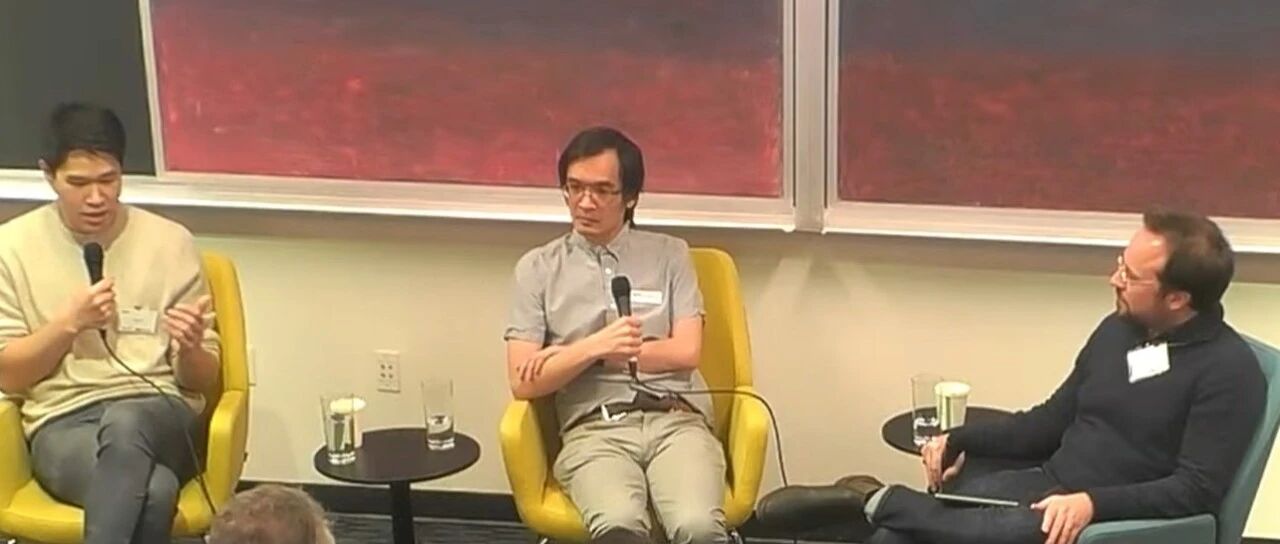
Core Viewpoint - The article discusses the evolving role of AI in mathematics and scientific research, highlighting its potential to revolutionize the field through enhanced collaboration and efficiency, while also addressing the limitations and challenges that remain in AI's capabilities [1][4][34]. Group 1: AI's Role in Mathematics - AI has found a unique environment in mathematics where the cost of trial and error is minimal, allowing for rapid experimentation and learning [24][25]. - The dialogue between mathematician Terence Tao and AI researcher Mark Chen reveals that AI tools have significantly improved over the past year, becoming more integrated into daily research practices [10][12]. - AI can now assist in deep research tasks, such as literature searches and code generation, which were previously cumbersome for mathematicians [10][12]. Group 2: AI's Development Metrics - OpenAI measures AI progress not just by parameters but by a metric called "Meter Plot," which tracks how long a model can operate autonomously without failure [5][15]. - The duration of effective operation has increased from minutes to days, indicating a significant reduction in error rates and an increase in reliability [16][17]. Group 3: Collaboration and Division of Labor - AI enables a division of labor in mathematical research, allowing mathematicians to focus on critical aspects while offloading tedious tasks to AI [20][21]. - The introduction of AI tools has led to a cultural shift in the mathematics community, encouraging exploration of previously overlooked problems [21][22]. Group 4: Challenges and Limitations - Despite advancements, AI struggles with complex reasoning and generating new concepts, often relying on existing knowledge rather than creating novel frameworks [32][33]. - The balance between AI's cooperative capabilities and its reasoning skills remains a challenge, as attempts to make AI more user-friendly can diminish its analytical power [26][27]. Group 5: Future Prospects - The potential for AI to tackle a vast array of medium-difficulty problems in mathematics is significant, paving the way for breakthroughs that were previously unattainable due to human resource limitations [33][34]. - As AI continues to evolve, it is expected to serve as a powerful tool for human scientists, enabling them to focus on higher-level theoretical advancements [34].