Addiction stigma

Search documents
The Human Cost of Addiction: A New paradigm for Drug Abuse | Dr. Ngozi Antonia Madubuike | TEDxNWU
TEDx Talks· 2025-09-23 15:15
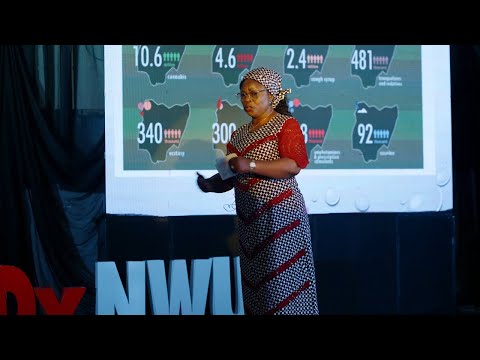
Addiction as a Health Issue in Nigeria - The presentation emphasizes that addiction should be viewed as a health issue rather than a criminal one, particularly in the context of Nigeria [2] - Drug abuse is identified as a significant global health challenge in Nigeria, with a high prevalence rate [2] - A 2018 study revealed that approximately 143 million (143%) Nigerians use psychoactive substances other than alcohol and tobacco [3] - Within that group, around 6 million Nigerians (approximately 42% of substance users) use cannabis, which is readily available and inexpensive due to local cultivation [3] - About 46 million (approximately 32% of substance users) Nigerians use opioids, while 24 million (approximately 17% of substance users) use cer lac with coine, indicating a substantial drug problem [4] - Among drug users, 376,000 are drug dependent and have serious drug issues [4] Stigma and Discrimination - The presentation advocates for avoiding stigmatizing terms like "addicts" and instead using language that reflects compassion and understanding [5] - Stigma is described as a mark that makes an individual unacceptable, leading to prejudice and discrimination [13] - The presentation highlights the societal stigma faced by treated drug users, including difficulty finding employment and housing [12] - The presentation urges society to show compassion, understanding, and support to people who use drugs, emphasizing that many want to stop [14][15] Prevention and Intervention Strategies - The presentation criticizes the overemphasis on punishment in current prevention efforts, advocating for care, compassion, support, and reintegration [17] - The presentation stresses the importance of early education and intervention to prevent drug use, as the brain continues to develop until age 25 [17][18] - The presentation supports evidence-based prevention interventions like harm reduction programs, such as needle syringe programs, to help drug users live [18] - The presentation calls for community engagement and a whole-society approach to prevention, involving youth and drug users themselves [19] - The presentation advocates for human-centered prevention, focusing on caring for those already struggling with addiction [20]