
Business Model Resilience

Search documents
Why Some High-Dividend Singapore Stocks Cut Payouts and Others Don’t
The Smart Investor· 2026-03-18 06:00
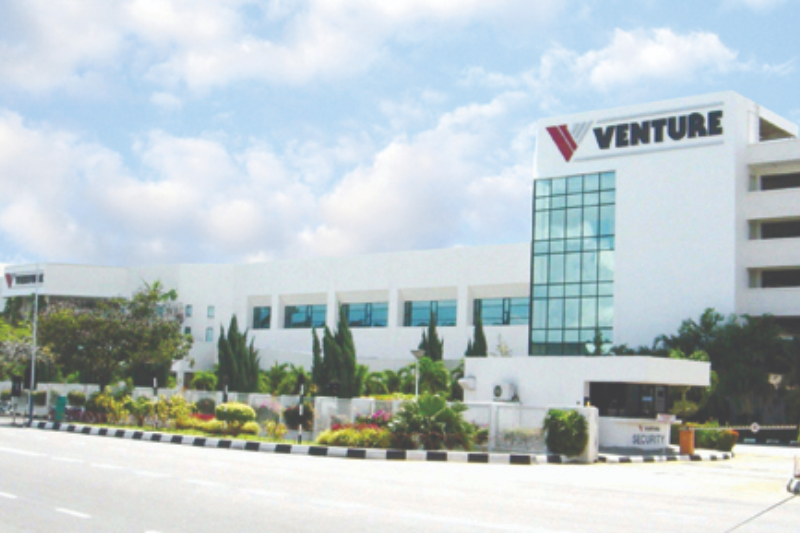
Core Viewpoint - High-dividend stocks can be appealing for income generation, but a high yield may indicate financial distress rather than strength [1][2] Group 1: Dividend Sustainability Factors - **Free Cash Flow Coverage**: Dividends should be funded by sustainable cash flow, with healthy businesses like Venture Corporation generating sufficient free cash flow (FCF) to cover dividends [3][4] - **Balance Sheet Strength**: Companies with strong balance sheets can better manage market volatility. High debt levels increase the risk of dividend cuts, with a recommended interest coverage ratio (ICR) of at least 3.0 to 4.0 for conservative investors [5][6] - **Business Model Resilience**: Defensive industries, such as healthcare and consumer staples, tend to provide more stable dividends. For example, Sheng Siong Group's dividend surged 83% during the pandemic due to its essential business model [8][9] Group 2: Warning Signs of Dividend Cuts - **Rising Payout Ratio**: A payout ratio exceeding 100% of earnings or FCF, especially during declining cash flow, signals potential dividend funding through debt or reserves [10] - **Management Reviews**: Statements about reviewing dividend policies often indicate an impending cut [10] - **Earnings Volatility**: Sudden increases in operating costs or narrowing margins can jeopardize stable dividend payouts [11] Group 3: Investment Strategies - **Portfolio Diversification**: Maintaining a balanced portfolio with a mix of growth stocks, defensive staples, and REITs can minimize concentration risks [12] - **Focus on Quality**: Investors should prioritize quality and stable dividend payers over high yields, as seen with Singapore Exchange Limited, which has consistently paid dividends since its listing [12][14] - **Long-term Fundamentals**: Sustainable dividends stem from strong fundamentals, including robust FCF, solid balance sheets, and resilient business models, rather than merely chasing high yields [14]

American Express(AXP) - 2025 Q1 - Earnings Call Transcript
2025-04-17 15:23
Financial Data and Key Metrics Changes - The company reported revenues of $17 billion, an increase of 8% year-over-year on an FX adjusted basis, or 9% excluding the leap year impact [7] - Net income was $2.6 billion, translating to $3.64 per share [7] - Total card member spending grew by 6% in the quarter, or 7% excluding the leap year impact [7] Business Line Data and Key Metrics Changes - Card fee growth was up 20% on an FX adjusted basis, with retention remaining high and excellent credit performance [9] - Total billed business increased by approximately 7.5% year-over-year, with goods and services spending growing at a faster pace than in 2024 [20] - Commercial services spend was up 3% year-over-year, consistent with previous trends [22] Market Data and Key Metrics Changes - International card services spend increased by 14%, with strong growth across all top five markets [23] - U.S. SME spending at wholesale merchants saw a modest acceleration, possibly due to higher purchases in anticipation of price increases [22] Company Strategy and Development Direction - The company aims to maintain full-year revenue growth guidance of 8% to 10% and EPS of $15 to $15.50% [10] - The focus is on long-term growth for shareholders, with a commitment to enhancing products and services for customers [15] - The company is investing strategically in technology and customer acquisition to strengthen foundational capabilities [15] Management's Comments on Operating Environment and Future Outlook - Management noted that spending levels have remained consistent with Q1 trends, despite increased macroeconomic uncertainty [10] - The company is confident in its ability to navigate various economic environments due to its resilient business model [10] - Management emphasized the importance of maintaining investment in long-term projects, even in uncertain times [74] Other Important Information - The CET1 ratio was reported at 10.7%, within the target range of 10% to 11% [34] - The company returned $1.3 billion of capital to shareholders, including a 17% increase in dividends [34][77] Q&A Session Summary Question: Has there been any indication of spending pull forward? - Management stated there has been no significant pull forward in spending, with consistent consumer behavior observed [45][46] Question: Which segments would be under pressure from potential tariffs? - Small businesses are expected to be the most impacted, with ongoing risk management efforts in place [54][56] Question: Can you discuss card refresh and fee growth? - The company remains committed to product refreshes and will raise fees only when value is added [60][62] Question: How is the company looking at capital management? - The company aims to return about 80% of earnings to shareholders while continuing to invest in long-term projects [68][70] Question: How does the company view the impact of unemployment on spending? - Management feels comfortable with the guidance despite a higher unemployment rate, focusing on white-collar unemployment as a key driver [85][86] Question: Are there any concerns regarding the Millennial and Gen-Z cohorts? - Spending growth for these cohorts remains strong, with delinquency rates lower than industry averages [91][93] Question: What is the status of the SME technology integration? - The integration of various platforms is ongoing, with the aim of creating a cohesive ecosystem for SME customers [137][139]
