Cloud Kitchens

Search documents
Online Food Delivery Services Market Set to Double from USD 300 Billion in 2024 to USD 600 Billion by 2033, Registering a Steady 8.5% CAGR - Market Research Intellect
Prnewswire· 2026-01-16 04:02
Core Insights - The Online Food Delivery Services Market is experiencing significant growth, driven by factors such as increased smartphone penetration, widespread internet access, and a rising preference for convenience among urban consumers [1][2] Market Overview - The market reached a valuation of USD 300 billion in 2024 and is projected to grow to approximately USD 600 billion by 2033, with a CAGR of 8.5% during the 2026–2033 forecast period [2] - The market is supported by rapid urbanization, evolving consumer eating habits, and the integration of digital solutions [2] Digital Transformation - The market has undergone a significant digital transformation, enhancing how consumers discover, order, and consume food through mobile applications and AI-driven personalization [4] - Features like real-time order tracking and digital menus improve customer engagement and convenience [4] Changing Consumer Lifestyles - Urban lifestyles, long working hours, and rising dual-income households are increasing reliance on food delivery platforms, with consumers valuing convenience and speed [5][6] - The acceptance of ready-to-eat meals and doorstep delivery is particularly strong among millennials and Gen Z consumers [6] Cloud Kitchens and Virtual Restaurants - The rise of cloud kitchens and virtual restaurants is reshaping the competitive landscape by reducing operational costs and focusing on digital orders [7] - These models enable rapid scalability and menu experimentation, benefiting both startups and established food brands [7] Technological Advancements - Technology, including AI and big data analytics, enhances platform efficiency and customer satisfaction through demand forecasting and personalized promotions [8] - Innovations like voice-based ordering and real-time tracking improve user interaction and service quality [8] Digital Payments and Contactless Delivery - The adoption of digital payment solutions has strengthened the online food delivery ecosystem, with consumers preferring cashless transactions [9] - Contactless delivery remains popular due to hygiene and safety concerns, contributing to market growth [9] Competitive Strategies - Aggressive pricing strategies, promotional offers, and loyalty programs are key competitive tools in the market [10] - Platforms use discounts and subscription models to attract and retain users, intensifying competition among major players [10] Restaurant Partnerships - Restaurants are increasingly leveraging online platforms for visibility and sales, benefiting from logistics and marketing support [11] - Strategic partnerships enable menu optimization and performance tracking, enhancing service quality [11] Regulatory Environment and Sustainability - Government regulations related to food safety and delivery worker rights influence platform operations [12] - Sustainability initiatives, such as eco-friendly packaging, are gaining traction and enhancing brand reputation [12] Geographic Dominance - The Asia-Pacific region dominates the market, driven by high population density and smartphone adoption, with China and India leading in order volumes [13][14] - North America follows closely, supported by high disposable income and advanced logistics networks, while Europe represents a mature market [14] Key Players - Major players in the Online Food Delivery Services Market include Uber Eats, DoorDash, Zomato, Swiggy, Meituan, Delivery Hero, Just Eat Takeaway.com, Grubhub, Deliveroo, and Foodpanda [15] Market Segmentation - The market is segmented by type, application, and geography, reflecting its strong connection to evolving consumer purchasing behavior [16]


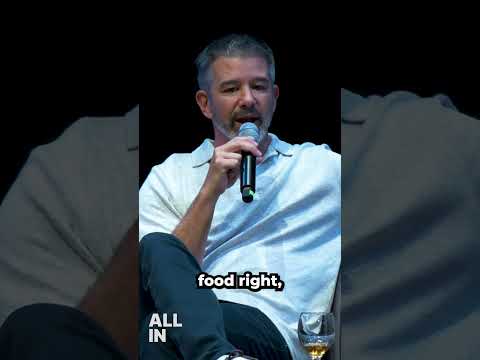
Travis Kalanick Explains Cloud Kitchens: "Infrastructure for Better Food"
All-In Podcast· 2025-07-09 21:26
Company Vision & Mission - The company aims to build infrastructure for better food, addressing health, cost, and convenience issues in the food industry [1][2] - The company's goal is to make food preparation and delivery so high quality and cost-efficient that it approaches the cost of grocery shopping [2] - The company's business model involves acquiring real estate and handling construction to support restaurant operations [2] Business Model & Industry Role - The company positions itself as the infrastructure provider for restaurants, not a restaurant itself [3] - The company aims to replicate Uber's success in transforming the car industry by revolutionizing the kitchen [2]