Commodity Pricing

Search documents
One Investor Bet $3 Million on Methanex Last Quarter. The Stock has Surged 30% This Year
Yahoo Finance· 2026-03-11 19:29
Company Overview - Methanex is a leading global supplier of methanol, utilizing an integrated supply chain and a fleet of ocean-going vessels to serve industrial customers worldwide [6] - As of the latest data, Methanex's stock price is $52.92, with a market capitalization of $4.1 billion, revenue of $3.56 billion, and net income of $213.78 million [4] Recent Transaction - On February 17, 2026, Orion Resource Partners disclosed the acquisition of 77,291 shares of Methanex, valued at an estimated $2.88 million based on quarterly average pricing [1][2] - This transaction increased Orion's total position value in Methanex by $3.06 million, reflecting both trading activity and price appreciation [2] Market Performance - Methanex shares have increased by 45% over the past year, significantly outperforming the S&P 500's gain of approximately 21% during the same period [7] - The company's stock surge is attributed to improving supply dynamics and geopolitical factors, particularly the U.S.-Iran conflict, which has contributed to a roughly 30% increase in stock price this year [9] Financial Performance - In its most recent results, Methanex reported annual revenue of $3.6 billion, a slight decrease from $3.7 billion the previous year, and net income of $145 million, down from $250 million [10] - The company has focused on a deleveraging plan, returning $54 million to shareholders through dividends and repaying $200 million of a term loan, while holding approximately $3.7 billion in total debt and lease obligations [10] Investment Implications - The acquisition of Methanex shares by Orion Resource Partners indicates a broader investment thesis on industrial demand and commodity-linked businesses, rather than a one-off trade [11] - The key variable for Methanex remains methanol pricing, which is currently influenced by geopolitical pressures, suggesting potential volatility for long-term investors [11]

BrasilAgro(LND) - 2026 Q2 - Earnings Call Transcript
2026-02-06 14:02
Financial Data and Key Metrics Changes - The company reported a revenue of R$470 million and an adjusted EBITDA of R$71.3 million, with a loss of R$61.8 million for the semester, indicating a challenging period due to high incurred expenses and low asset classification [11][30][31] - The company experienced a significant reduction in sugarcane productivity, which was a major detractor from overall performance, with losses attributed to adverse weather conditions and operational issues [30][34][38] Business Line Data and Key Metrics Changes - Sugarcane production faced challenges due to frost and fire incidents, leading to lower maturity levels and productivity, with a drop from 140 kg of sugar per ton last year to 131-132 kg this year [22][38] - Cotton production was adjusted to focus on irrigated areas in Bahia, with a shift from high-cost production in volatile regions, aiming for higher productivity levels [46][48] Market Data and Key Metrics Changes - Brazil is expected to have a super harvest of soy, with stocks exceeding 50 million tons, impacting market prices and premium perspectives [12] - The company noted a favorable ratio for corn compared to soy, with corn prices benefiting from logistical changes in the ethanol market [13] Company Strategy and Development Direction - The company is focusing on reducing operational volatility and improving productivity through better resource allocation and technology implementation, including telemetrics [10][15] - There is a strategic emphasis on diversifying crop production to mitigate risks associated with commodity price fluctuations [24][25] Management's Comments on Operating Environment and Future Outlook - Management expressed optimism about the recovery of sugarcane production in the next harvest, citing improvements in management practices and fertilizer application [50][54] - The company is cautious about pricing in the sugarcane and ethanol markets for the upcoming year but anticipates a potential recovery in the following cycles [53][54] Other Important Information - The company has a debt of R$886 million, with a net cash position of R$802 million, indicating a stable financial position despite the seasonal cash flow challenges [40][42] - The company is actively monitoring input costs and currency fluctuations to optimize operational efficiency and reduce expenses [16][17] Q&A Session Questions and Answers Question: Can you provide more information on the shift in productivity for cotton? - The company has reduced reliance on cotton in high-cost regions and is focusing on irrigated agriculture in Bahia to improve productivity [46][48] Question: What is the outlook for sugarcane recovery in the next harvest? - Management is optimistic about sugarcane recovery due to improved management practices and a focus on reducing the average age of plantations [50][54] Question: Is there a potential adjustment for the reduction of planted areas in Brazil? - The company acknowledges external factors affecting planted areas and believes that a more rational approach will emerge as external pressures are alleviated [62]

Inside Freeport's Latest Earnings
Forbes· 2026-01-30 13:50
Core Insights - Freeport-McMoRan reported fourth-quarter 2025 earnings that exceeded expectations, with adjusted EPS of $0.47, surpassing analyst predictions of $0.28 to $0.29 per share [2][8] - Revenue for the quarter was approximately $5.63 billion, slightly down from the previous year but above consensus estimates, driven by higher realized commodity prices, with copper averaging $5.33 per pound and gold at $4,078 per ounce [2][5] Operational Performance - Copper production declined over 30% year-over-year due to a temporary halt at the Grasberg Block Cave mine, one of the largest copper mines globally [5] - Despite production challenges, the company exceeded sales volume forecasts in other areas and maintained cash costs under control, generating strong operational cash flow and an adjusted EBITDA of just over $2 billion for the quarter [5] Stock Performance - The stock price movements around the earnings announcement were mixed, as much of the positive news was already reflected in the stock price, with concerns about production scheduling dampening enthusiasm [6] - Recently, FCX stock has shown resilience, moving towards recent highs due to optimism surrounding the phased restart of Grasberg and favorable commodity pricing dynamics [6] Future Outlook - Management plans a phased restart of Grasberg operations in Q2 2026, with a potential return to full production by mid-2026, which is expected to significantly enhance production levels and earnings capacity [7] - For 2026, the company anticipates slightly lower copper sales and reduced gold production compared to 2025, but expects strong growth into 2027-2028 as major projects commence and output recovers [7] - Freeport reaffirmed its capital allocation priorities, focusing on prudent spending for growth initiatives while maintaining a robust balance sheet [7]



How ExxonMobil Stays Resilient in a Soft Commodity Pricing Environment
ZACKS· 2025-12-24 19:46
Core Viewpoint - Exxon Mobil Corporation (XOM) is significantly increasing its upstream production from its advantageous assets, particularly in the Permian and Guyana regions, despite a challenging pricing environment [2][4]. Upstream Production and Assets - ExxonMobil remains the main operator of the Guyana oilfield with a 45% stake, even after Chevron's acquisition of Hess, which gives Chevron a 30% stake in the Stabroek Block [2]. - The company is achieving record oil and gas production from its high-return assets, characterized by low breakeven costs, which allows it to maintain profitability even when the West Texas Intermediate (WTI) price is below $60 per barrel [3][4]. Financial Performance and Resilience - The integrated business model of ExxonMobil helps shield it from earnings volatility, and the focus on structural cost savings is expected to enhance earnings resilience amid volatile pricing environments [4]. - ExxonMobil maintains a strong balance sheet comparable to its peers, enabling it to navigate market cycles effectively [4]. Market Performance - Over the past six months, ExxonMobil's shares have increased by 10.6%, outperforming the industry composite stocks, which rose by 9.2% [8]. - The Zacks Consensus Estimate for ExxonMobil's 2025 earnings has remained unchanged over the past week, indicating stability in earnings expectations [10]. Valuation Metrics - ExxonMobil trades at a trailing 12-month enterprise value to EBITDA (EV/EBITDA) of 7.75X, which is above the broader industry average of 4.83X, suggesting a premium valuation compared to its peers [12].


Ovintiv Stock Drops Nearly 1% in a Month: Time to Hold or Sell?
ZACKS· 2025-12-18 15:46
Core Insights - Ovintiv Inc. (OVV) has experienced a slight decline of 0.6% in its share price over the past month, outperforming its sector's decline of 3.1% and sub-industry's loss of 6.2%, indicating relative strength and favorable positioning [1][7] - The company has shifted its focus from natural gas to higher-margin crude oil, enhancing its status among North American exploration and production players [2] - Investors are debating whether OVV's recent strong performance can continue or if it has already priced in much of the potential upside [3] Positive Factors - The 12-year Cedar LNG agreement with Pembina secures 0.5 million tons per annum (mtpa) of liquefaction capacity starting in 2028, expanding Ovintiv's access to premium Asian LNG markets and improving long-term pricing and cash flow visibility [4] - The acquisition of NuVista Energy is projected to increase free cash flow per share by 10%, while being leverage-neutral at close and enhancing inventory quality in the Montney oil window [5] - Ovintiv controls a deep inventory in top-tier basins, with nearly 15 years of drilling runway, supporting sustained production and long-term value creation [8] Operational Efficiencies - The NuVista acquisition is expected to generate $100 million in annual synergies, enhancing margins and returns through capital savings and operational efficiencies [9] - Ovintiv's integration strategy leverages AI-driven drilling and centralized operations, which have previously led to rapid synergy capture [9] Challenges - Ovintiv recorded a $108 million after-tax ceiling test impairment in Q3, indicating sensitivity to commodity pricing and potential long-term valuation risks [10] - The company's growth outlook is heavily reliant on the successful execution of large acquisitions, with integration risks that could impact projected free cash flow [11] - The Zacks Consensus Estimate for Ovintiv's 2025 earnings is projected at $4.35 per share, reflecting a 25.4% year-over-year decline, raising concerns about cash flow durability [12] Earnings Estimates - The Zacks Consensus Estimate for Ovintiv's earnings has been revised downward by about 3% over the past 30 days, indicating increased caution among analysts regarding the company's near-term outlook [12][15] - Current estimates for earnings per share in the upcoming quarters show a significant decline compared to the previous year, with a year-over-year growth estimate of -36.3% for the current quarter [13][15] Final Assessment - Ovintiv has demonstrated strong performance relative to its sector and is strengthening its fundamentals through strategic acquisitions, but faces headwinds from non-cash impairments and reliance on successful integration of acquisitions [16][17]

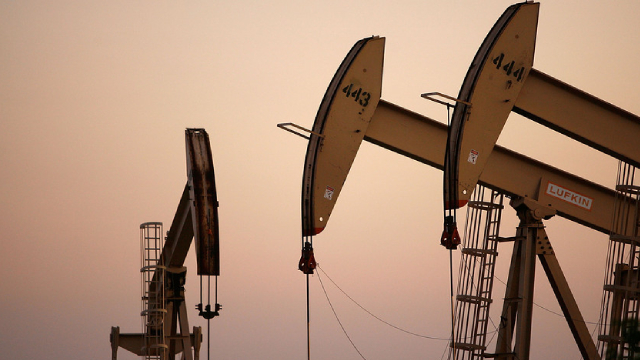
Blue Dolphin Shares Sink as Q3 Loss Widens, Debt & ARO Costs Mount
ZACKS· 2025-11-20 14:01
Core Viewpoint - Blue Dolphin Energy Company has experienced a significant decline in stock performance following its third-quarter 2025 earnings report, with shares dropping 35.9% compared to a 3.9% decrease in the S&P 500 [1] Earnings & Revenue Performance - Revenue from operations decreased to $70.4 million from $82.1 million year-over-year, reflecting a 14% decline due to softened product sales [2] - The company reported a net loss of $4.7 million, an improvement from a $5 million loss in the prior-year period, with loss per share narrowing to 31 cents from 34 cents [2] - Gross profit improved from a deficit of $3.3 million to a marginal profit of $32,000, aided by favorable refining margins, although cost pressures and an impairment charge continued to impact results [2] Other Key Business Metrics - Total cost of goods sold decreased to $70.3 million from $85.4 million, primarily due to lower crude and chemical costs, which fell by over $17 million year-over-year [3] - General and administrative expenses rose to $1.6 million from $1 million in the prior-year quarter, reflecting increased personnel-related and administrative costs [3] Refinery Operations - Refinery operations contributed $69.6 million to total segment revenue, with loss before income taxes in the refinery segment narrowing to $2 million from $5.7 million a year earlier, indicating improved operating efficiency [4] - Tolling and terminaling revenue slightly declined to $1.5 million from $1.8 million, but the segment remained profitable, generating $0.5 million in income before taxes [4] Management Commentary - Management highlighted incremental operational gains despite challenges in crude pricing, demand variability, and working-capital constraints, with full-year consolidated EBITDA increasing to $0.8 million from $0.5 million year-over-year [5] - The company acknowledged margin pressures in jet fuel and naphtha markets, periods of low refining margins, and limitations on customer exports to Mexico [5] Factors Influencing Results - A $3 million impairment recorded in the quarter was due to revised estimates of decommissioning obligations for pipeline and offshore platform assets, leading to an increase in the Asset Retirement Obligation (ARO) liability [6] - Inventory levels remained elevated at $33.9 million, down modestly from year-end but still high due to unfavorable product pricing and reduced export opportunities, contributing to a working-capital deficit of $23.1 million [7] Debt-related Pressures - Multiple loan facilities were in default at quarter-end, with management acknowledging the risk of potential forced repayment and the need for additional waivers or restructuring [8] - Interest expense totaled $0.8 million for the quarter, down from $1.5 million a year earlier, partly due to reduced balances and lower related-party interest charges [8] Future Outlook - Key variables expected to influence future results include commodity pricing for light crude, jet fuel, and naphtha, as well as macroeconomic uncertainties involving inflation, tariffs, and interest rates [10] - Future performance remains difficult to project due to margin volatility and ongoing working-capital challenges [10] Regulatory Developments - Blue Dolphin's BDPL subsidiary faces ongoing civil penalties from the Bureau of Safety and Environmental Enforcement (BSEE) related to offshore platform and pipeline decommissioning obligations, with $2.7 million accrued for two open civil penalty cases [11] - The company may also be subject to potential supplemental pipeline bond requirements from BOEM, which could materially affect liquidity if enforced [11] Overall Assessment - While Blue Dolphin has made progress in narrowing quarterly losses and improving refining margins, significant structural challenges, including regulatory liabilities, debt defaults, and working-capital deficits, remain central to the company's risk profile [12]

Winter Wheat Markets Have Flipped the Script | Presented by CME Group
Bloomberg Television· 2025-11-14 14:34
Market Dynamics - US winter wheat markets have experienced a reversal, with Kansas City hard red winter wheat futures trading at a discount to Chicago wheat futures since mid-August [1] - This inversion is driven by supply and quality factors [2] - High hard red winter wheat yields and late-season moisture have lowered protein levels across the hard red winter wheat crop [2] - The abundance of lower quality supply has weighed down the Kansas City hard red winter wheat futures contract price, which requires a minimum 11% protein [3] - Soft red winter wheat maintains a higher value due to its fundamentally lower stocks to use ratio [3] Historical Context - Past inversions include a soft red winter wheat supply crunch from 2019 to late 2021 and the Russian invasion of Ukraine in February 2022 [4] Commodity Pricing - Quality specifications, particularly protein content, can temporarily overpower typical supply-side dynamics in commodity pricing [5]

中国基础材料监测(2025 年 9 月):需求稳定与持续供应扰动支撑定价及利润前景-China Basic Materials Monitor_ September 2025_ Steady demand and ongoing supply disruption support pricing_margin outlook
2025-09-26 02:29
Summary of China Basic Materials Monitor - September 2025 Industry Overview - The report focuses on the **China Basic Materials** industry, highlighting the current demand and supply dynamics affecting pricing and margins in various sectors including construction, automotive, and metals [1][2]. Key Points Demand Trends - **End-user orderbooks** have shown a month-over-month (MoM) increase as of mid-September, consistent with seasonal patterns observed in previous years [1]. - **Aggregated demand** is driven by positive growth in sectors such as **automotive**, **battery production**, and **metal fabrication**, alongside mild seasonal increases in **construction** [1]. - Traditional sectors like **white goods**, **property**, and **machinery** are experiencing weaker demand [1]. Supply Disruptions - Ongoing **supply disruptions** are noted, particularly in: - **Lithium Lepidolite** production - A correction in excess **coal** production - Tightness in domestic **copper scrap** supply [1]. - The Chinese government has reaffirmed its policy on supply management (anti-involution) as a long-term strategy, which is expected to support overall commodity pricing and margins [1]. Pricing and Margin Outlook - Current demand for **cement** and **construction steel** is reported to be 1-6% lower year-over-year (YoY), while **copper** and **aluminium** demand is down 5-7% YoY. In contrast, **flat steel** demand has increased by 3% YoY [1]. - Recent weeks have seen improvements in margins/pricing for **aluminium** and **copper**, while **steel**, **coal**, and **lithium** prices have softened, with **cement** prices remaining stable [1]. Producer Feedback - A proprietary survey indicates that **52%** of respondents in downstream sectors reported an improvement in orderbook trends for August, while **32%** of basic materials producers noted similar improvements [2]. - Conversely, **9%** of downstream respondents and **16%** of basic materials producers indicated a decline in orderbook trends [2]. Additional Insights - The report includes detailed snapshots of downstream demand across various sectors, including infrastructure, property, traditional manufacturing, advanced manufacturing, and exports [7]. - Specific commodity analyses cover **steel**, **coal**, **cement**, **aluminium**, **copper**, and **lithium**, providing insights into their respective demand and pricing trends [7]. Conclusion - The China Basic Materials industry is currently experiencing a complex interplay of steady demand growth in certain sectors and ongoing supply disruptions, which collectively influence pricing and margin expectations. The outlook remains cautiously optimistic, supported by government policies aimed at stabilizing supply and pricing dynamics [1][2].
NOG Q2 Revenue Up 9%
The Motley Fool· 2025-08-02 04:37
Core Viewpoint - Northern Oil And Gas reported strong revenue performance in Q2 2025, exceeding analyst expectations, but faced a decline in GAAP net income due to softer commodity prices and a non-cash asset impairment [1][7]. Financial Performance - Revenue for Q2 2025 was $574.4 million, surpassing the estimate of $526.46 million [1][7]. - GAAP net income decreased to $99.6 million, down 28.1% from $138.6 million in Q2 2024 [2][7]. - Non-GAAP EPS was $1.37, a 6.2% decline from $1.46 in Q2 2024 [2]. - Adjusted EBITDA increased by 6.6% year-over-year to $440.4 million [2]. Production and Operations - Total production rose by 9% year-over-year to 134,094 barrels of oil equivalent (Boe) per day [5]. - Oil production increased by 10.5% to 76,944 barrels per day, while natural gas output also grew [5]. - Development activity saw a reduction, with only 20.8 net wells added, but the company maintained a record 53.2 net wells in process [6]. Strategic Acquisitions - The company closed a $61.7 million acquisition in Upton County, Texas, along with 22 smaller transactions adding approximately 2,600 net acres and 4.8 net wells [6]. - Management highlighted an "all-time peak" in the pipeline of potential acquisitions, indicating a focus on industry consolidation [6]. Cost and Expenses - Lease operating expenses rose to $9.95 per Boe, reflecting a 6% sequential increase and an 11% year-over-year rise [8]. - Capital spending outside of acquisitions decreased by 12% year-over-year, emphasizing a disciplined approach [8]. Shareholder Returns - The company repurchased 1.1 million shares at an average price of $31.15 and raised the quarterly dividend by 7% to $0.45 per share [9][13]. - Liquidity remained strong with over $1.1 billion available in cash and borrowing capacity [9]. Future Guidance - The company revised its full-year 2025 production forecast to an average of 130,000–133,000 Boe per day, down from a prior midpoint of 132,500 [11]. - Estimated capital expenditures were reduced by $125–$150 million to a range of $925–$1,050 million [11]. - Management indicated a shift towards acquiring existing production rather than organic drilling to maximize risk-adjusted returns [12].


ExxonMobil Expects Earnings Boost in Q1 From Higher Commodity Prices
ZACKS· 2025-04-04 17:25
Group 1 - Exxon Mobil Corporation (XOM) anticipates that higher commodity prices for oil and natural gas will positively impact its first-quarter 2025 earnings, with a forecasted increase of $900 million compared to the previous quarter [1][3] - Brent crude prices averaged $74.98 per barrel in the first quarter, reflecting a 1.3% increase quarter over quarter, but a 9% decrease year over year [2] - Natural gas prices in the U.S. were approximately 30% higher in the first quarter of 2025 compared to the fourth quarter of 2024, which is expected to contribute positively to ExxonMobil's earnings [2][5] Group 2 - ExxonMobil is projected to report an adjusted profit of $1.70 per share in the first quarter of 2025, with earnings release scheduled for May 2, 2025 [4] - The company derives a significant portion of its income from oil and gas production, and its earnings are highly influenced by commodity pricing [5] - Stronger oil refining margins are expected to contribute an additional $300-$700 million to earnings relative to the previous quarter [3] Group 3 - ExxonMobil currently holds a Zacks Rank 3 (Hold), with better-ranked stocks in the energy sector including Archrock Inc. (AROC), Nine Energy Service (NINE), and Kinder Morgan, Inc. (KMI) [6] - Archrock focuses on midstream natural gas compression and generates stable fee-based revenues [7] - Nine Energy Service provides onshore completion and production services across key U.S. basins, positioning the company for long-term growth due to sustained demand for oil and gas [8] - Kinder Morgan operates a resilient midstream business model driven by take-or-pay contracts, ensuring consistent earnings and reliable capital returns [9]