Conscious spending

Search documents
6 Warren Buffett Hacks That Can Transform Your Money in 2026
Yahoo Finance· 2026-03-08 11:12
Core Insights - The article emphasizes the relevance of Warren Buffett's financial principles in the current economic climate, particularly in light of rising living costs and inflation [2] Group 1: Financial Strategies Inspired by Warren Buffett - **Spend Less Than You Earn**: The article highlights the importance of living within or below one's means, citing Buffett's modest lifestyle despite his wealth. It stresses the need for conscious spending and prioritizing savings over expenditures [3][4] - **Avoid High-Interest Debt**: Buffett warns against the dangers of credit card debt and high-interest loans, which can hinder wealth accumulation. The article suggests that eliminating such debts is crucial for financial stability, especially with elevated interest rates [5] - **Invest Consistently**: The article advocates for consistent investing, even during uncertain market conditions, aligning with Buffett's philosophy of focusing on long-term goals through low-cost index funds. It underscores the idea that "time in the market beats timing the market" [6]
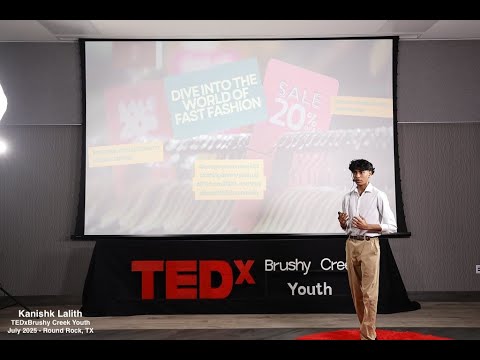
Beyond the Price Tag | Kanishk Lalith | TEDxBrushy Creek Youth
TEDx Talks· 2025-08-26 15:58
Fast Fashion's Impact - The fast fashion industry contributes significantly to textile waste, with a garbage truck's worth of clothes being dumped every second, totaling 92 million tons annually [2] - The average American buys 53 new items of clothing each year, a 60% increase since 2000, while also discarding 815 lbs (approximately 370 kg) of clothes annually [3] - Fast fashion's culture of overconsumption is fueled by the message "You are what you buy," amplified by social media and influencers, leading to a constant chase of trends and disposability of clothing [5][6] Environmental Concerns - Frequent washing of polyester shirts releases microplastics into the ocean, potentially harming marine life and creating a full circle impact on human consumption [8] - The industry suggests switching to more eco-friendly alternatives like cotton to reduce the environmental impact of clothing [9] - The industry highlights that four well-made, expensive shirts can last 10 times longer than 14 cheaply made shirts, often made of polyester, emphasizing the environmental benefits of slow fashion [11] Sustainable Alternatives - Taking care of existing clothes, including proper washing and mending, is crucial for extending their lifespan and reducing waste [8][9] - Conscious spending involves budgeting with intention, supporting thrifting, swapping, ethical brands, fair trade, eco-friendly, and cruelty-free brands [10][11] - Swap parties are presented as a community-based approach to exchanging clothes, promoting reuse and reducing waste [12] - The industry encourages consumers to question their purchasing decisions, prioritizing people over profit, sustainability over speed, and mindfulness over impulse [13]