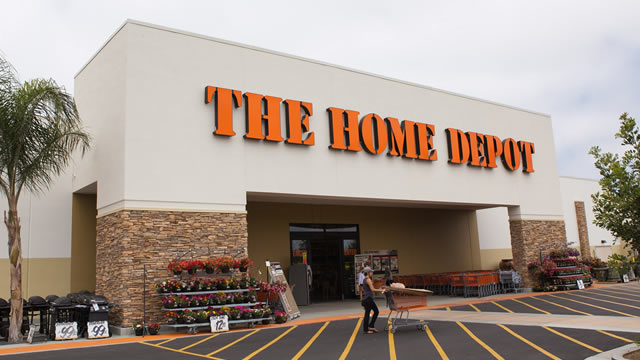
Dividends and share repurchases

Search documents
Home Depot Gives Back $130 Billion
Forbes· 2025-11-03 16:36
Core Insights - Home Depot has established itself as a consistent wealth creator in the market, returning significant capital to shareholders through dividends and buybacks [2][3] Payout Capacity - Over the past decade, Home Depot has returned approximately $130 billion to shareholders, ranking 14th in total capital returned in history [3] - The company's ability to provide tangible returns through dividends and share repurchases reflects management's confidence in its financial stability and sustainable cash flows [4] Financial Metrics - Home Depot's revenue growth stands at 8.5% for the last twelve months (LTM) and an average of 2.2% over the last three years [11] - The company has a free cash flow margin of nearly 8.6% and an operating margin of 13.1% LTM [11] - The stock is currently valued at a price-to-earnings (P/E) ratio of 25.7 [11] Historical Performance - Home Depot has experienced significant sell-offs in the past, including declines of around 52% during the Dot-Com Bubble and 54% during the Global Financial Crisis [8] - Recent market shocks have also led to declines of 25% in 2018 and 38% during the COVID pandemic, with inflation concerns causing a decrease of approximately 35% [8]


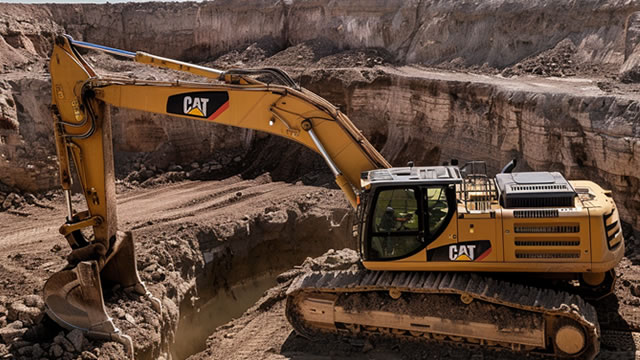
Here's How Much Cash Caterpillar Returned To Shareholders In 10 Years
Forbes· 2025-10-10 11:40
Core Insights - Caterpillar (CAT) has returned an impressive $57 billion to investors over the past ten years through dividends and buybacks, ranking as the 47th largest return to shareholders in history [2][3] - The company's capital returns reflect management's confidence in its financial strength and ability to generate sustainable cash flows [3] - A comparison of capital returns as a percentage of market cap indicates an inverse relationship with growth potential for reinvestment opportunities, with companies like Meta and Microsoft allocating less to shareholders while growing faster [5] Financial Performance - Caterpillar's revenue growth has been negative at -4.9% over the last twelve months, with an average growth of 5.8% over the past three years [11] - The company has a free cash flow margin of nearly 12.3% and an operating margin of 18.2% for the last twelve months [11] - The stock trades at a P/E ratio of 24.9, indicating a higher valuation compared to the S&P [11] Historical Performance and Risks - Caterpillar has experienced significant declines in the past, including a 52% drop during the Dot-Com crash and a 73% decline during the Global Financial Crisis [8] - The stock also faced reductions of about 33% to 39% during corrections in 2018 and the COVID pandemic, and a drop of roughly 32% due to recent inflation shocks [8] - Despite solid fundamentals, the company has shown vulnerability to substantial losses during market shifts [8]