
Early wealth building

Search documents
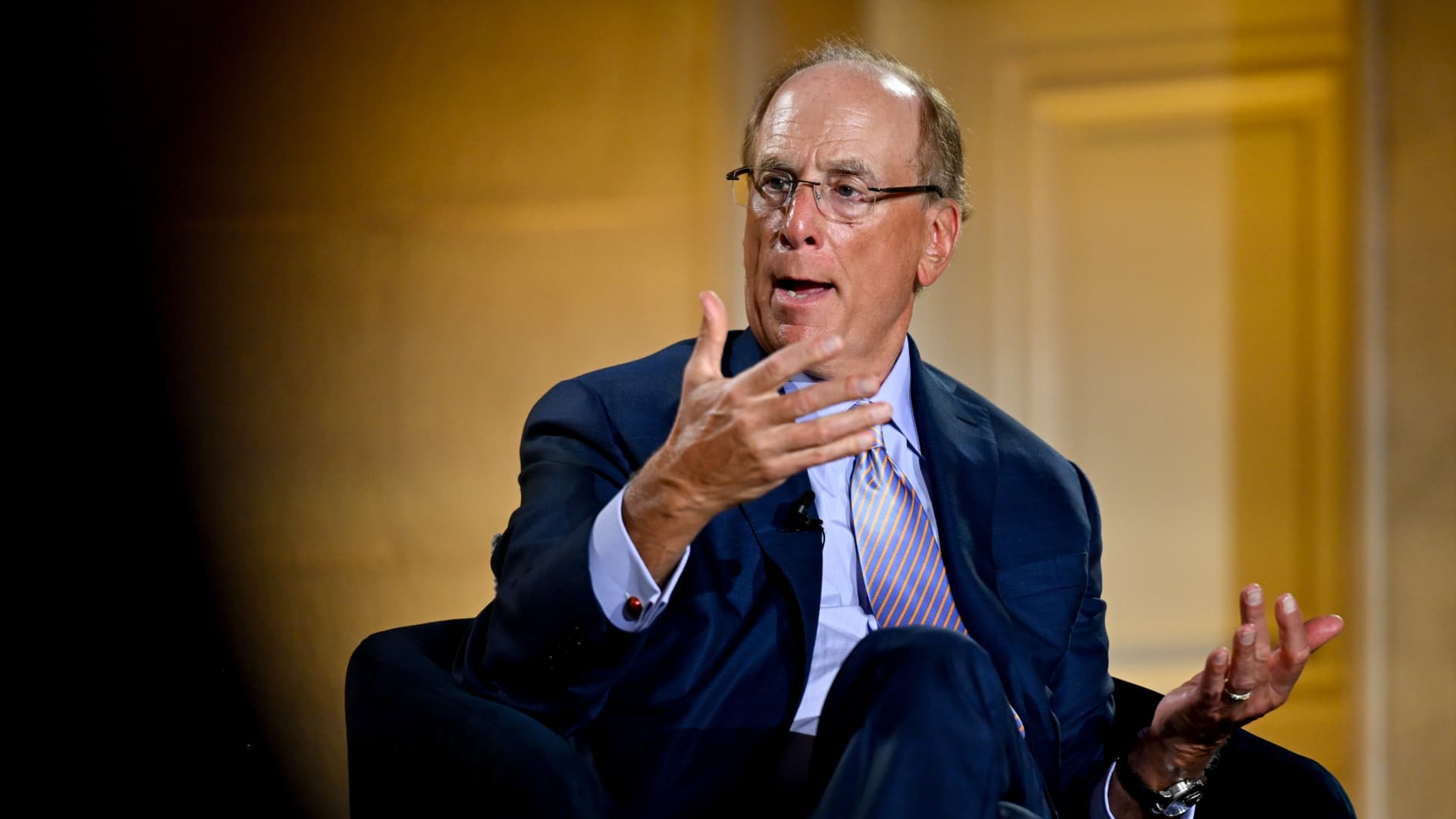
BlackRock's Larry Fink: Trump accounts, paired with other assets, may be 'very significant' for young adults
CNBC· 2026-03-23 17:39
Core Viewpoint - BlackRock CEO Larry Fink advocates for the potential of Trump accounts as an effective early wealth-building tool for children in the U.S., especially when combined with existing investment vehicles [1][2]. Group 1: Trump Accounts Overview - Trump accounts, also known as 530A accounts, include a one-time $1,000 deposit from the U.S. Department of the Treasury for children born between 2025 and 2028 [6]. - BlackRock and other large employers have committed to matching the Treasury's $1,000 seed money for eligible children [6]. - Parents or guardians must file IRS Form 4547 with their 2025 tax returns to set up an account and receive the $1,000 [7]. Group 2: Contribution Limits and Participation - Parents, guardians, and friends can contribute up to $5,000 annually in after-tax dollars to Trump accounts, while companies can deposit up to $2,500 pre-tax as part of the $5,000 limit [8]. - As of March 8, nearly 3.5 million Trump accounts have been opened, with over 800,000 qualifying for the $1,000 pilot contribution [8]. Group 3: Investment Potential and Economic Impact - Fink emphasizes that early wealth-building accounts can lead to better educational and economic outcomes, such as increased likelihood of earning advanced degrees and home ownership [2][3]. - Financial advisors express optimism about the potential of Trump accounts to enhance access to investment opportunities and help address the wealth gap [5].


Suze Orman Says Parents Have A 'Golden Opportunity' To Launch Kids to $1M Tax-Free – 'I Think That's a Mighty Compelling Conversation Starter'
Yahoo Finance· 2026-03-07 16:01
Core Insights - Financial expert Suze Orman emphasizes the potential of summer paychecks for teenagers as a unique opportunity to build significant wealth through early investment strategies [1][2] - The strategy revolves around utilizing a Roth IRA, which allows tax-free growth and withdrawals in retirement, making it accessible for teenagers with earned income [2][3] Investment Strategy - Orman presents a scenario where a young saver contributes $2,500 annually with a long-term return of 7%, potentially accumulating over $1 million in tax-free dollars after 50 years [3] - An alternative approach involves saving $1,000 annually for the first five years and then increasing contributions to $5,000 per year for the next five years, leading to approximately $37,000 within a decade, with the potential for significant growth thereafter [4] Current Financial Landscape - The average 401(k) balance for American workers is approximately $144,400, indicating that most Americans are not on track for substantial retirement savings [5] - Reports from Vanguard indicate an average 401(k) balance of about $148,153, with a median balance of only $38,176, highlighting the disparity in savings among individuals [6] - Among millennials, the average 401(k) balance is reported to be around $67,300, further illustrating the challenges faced by younger generations in retirement savings [6]