Ecological well-being

Search documents
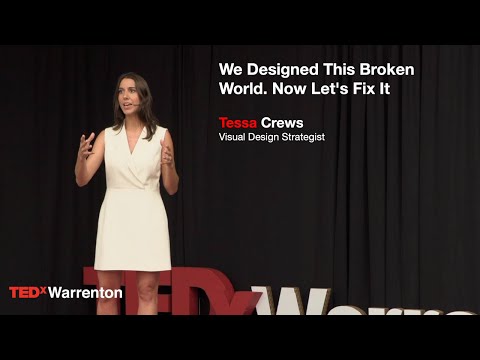
We designed this broken world. Now let's fix it | Tessa Crews | TEDxWarrenton
TEDx Talks· 2025-11-25 16:58
Core Message - Design should prioritize social impact, environmental stewardship, and community well-being, moving away from solely focusing on profitability and efficiency [1] - The industry needs to shift from designing on autopilot to incorporating empathy and deeper listening to avoid negative consequences of bad design [1] - Responsible design involves asking different questions that celebrate shared humanity, human flourishing, and environmental health [2] Design Principles - Design is a fundamental human experience, influencing experiences and requiring conscious choices [1] - Better design focuses on celebrating shared humanity and creating authentic value without harming the environment [2] - Responsible design is unconventional, urging individuals to center their ethics, integrity, and joy in their work [2][3] Examples of Bad Design & Consequences - Manipulative app interfaces, profit-hungry advertisements, and harmful graphics are examples of bad design [1] - Toxic beauty standards are perpetuated through airbrushing and whitewashing in media [1] - Advertising targets children, with toddlers as young as 2 years old recognizing brands [1] - 11 million metric tons of plastics enter the oceans each year, highlighting the environmental impact of design choices [1] Call to Action - Individuals are urged to use their voices and talents to help others, viewing it as a responsibility [1][16] - The industry should have the courage to center its own northstar and ask different questions, prioritizing people and ecological well-being over profit and efficiency [15] - Individuals are encouraged to be unconventional and make conscious design decisions to fix the broken world [2][17] Illustrative Example - Christian Mottz's biodegradable shoe that blooms exemplifies merging nature and industry, turning product decay into new life [7][8]