
End of life care

Search documents
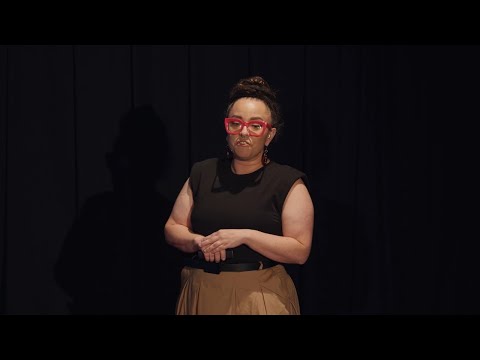
Let’s talk about death, baby | Kara Louise Chanter | TEDxAlbury
TEDx Talks· 2025-12-02 15:22
Main Argument - The central argument is that society is generally uncomfortable discussing death, despite its inevitability [1][2] - Encourages open conversations about end-of-life wishes to alleviate fear and ensure loved ones understand individual preferences [1][4] - Advocates for normalizing discussions about death alongside other life events, such as birth and marriage [2][12] Key Observations - Individuals who plan and discuss their end-of-life preferences tend to experience gentler deaths, minimizing scrambling for answers in their final moments [4][5] - Avoiding these conversations can lead to regret, guilt, and unfinished business for surviving family members [5] - Over 90% of Australians recognize the importance of discussing end-of-life care, but 56% have not documented their preferences [5] - Half of Australians have not documented their final care preferences with their loved ones [6] Call to Action - Advocates for using the word "death" directly in conversations, rather than euphemisms [9] - Encourages individuals to consider their wishes regarding who should speak for them if incapacitated, where they want to be, who they want by their side, and what they want done with their body [10] - Suggests initiating these discussions with loved ones and friends, emphasizing that being prepared is an act of love [11][12]

X @The Economist
The Economist· 2025-07-27 02:40
Social Issues - Quality of life has soared in China [1] - The country's treatment of those nearing the end of their lives still leaves much to be desired [1]