
Energy price increase

Search documents
Smart Money Is Piling Into These 2 Energy Stocks as the Iran Crisis Deepens -- Should You Follow?
The Motley Fool· 2026-03-31 08:05
Group 1: Oil Market Overview - The price of Brent crude has increased over 44% in the past month, currently trading around $107 per barrel, with projections suggesting it could rise to between $150 and $200 per barrel due to restricted shipments through the Strait of Hormuz [1][4]. - The ongoing military actions and Iran's rejection of the U.S. peace plan indicate that the conflict in the Middle East is likely to persist, impacting oil prices [1]. Group 2: Chevron Analysis - Chevron's stock has risen over 13% recently, trading at approximately $210.65, with a market cap of $420 billion [6][7]. - The company operates strong upstream operations in North America and other regions, positioning it favorably despite geopolitical tensions [5]. - Chevron has a gross margin of 14.66% and a dividend yield of 3.28%, with a commitment to returning capital to shareholders, having increased its dividend for 39 consecutive years [7][8]. Group 3: Oneok Analysis - Oneok's stock has increased by 13.7% over the past month, currently priced at $92.96, with a market cap of $59 billion [10][11]. - The company operates a diverse range of midstream assets, including 60,000 miles of pipeline, which helps mitigate risks associated with downturns in specific commodities [11]. - Oneok's business model is largely fee-based, with projections indicating that over 90% of its earnings will remain fee-based through 2026, and it offers a forward dividend yield of 4.5% [12][13].


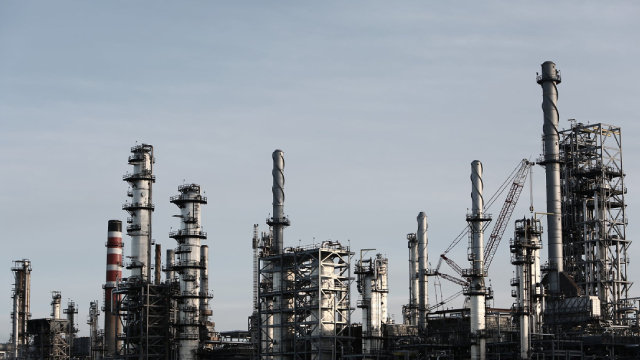
Rising energy prices from the Iran war could help Russia pay for fighting in Ukraine
Yahoo Finance· 2026-03-04 16:05
Group 1 - The disruption of Middle East oil and gas supplies due to the Iran war is enhancing Russia's ability to profit from energy exports, which is crucial for financing its war in Ukraine [1][8] - Prices for Russian oil exports have increased from under $40 per barrel in December to approximately $62 per barrel, driven by fears of war and interruptions in tanker traffic through the Strait of Hormuz, which accounts for about 20% of global oil consumption [2] - Russian oil is trading at a discount to Brent crude, which has risen above $82, but is now above the $59 per barrel benchmark assumed in the Russian Finance Ministry's budget plan for 2026, with oil and gas tax revenues making up to 30% of the federal budget [3] Group 2 - The halt in liquefied natural gas production by Qatar will intensify global competition for available cargoes, including those from Russia [4] - Russia's state oil and gas revenue fell to a four-year low of 393 billion rubles ($5 billion) in January, with a record budget shortfall of 1.7 trillion rubles ($21.8 billion) for that month, attributed to weaker global prices and discounts due to sanctions [5][6] - Economic growth in Russia has stagnated, leading to tax increases and increased borrowing to stabilize state finances amid ongoing military spending [7] Group 3 - Experts indicate that Russia is benefiting from the energy turmoil caused by the war, as higher oil prices lead to increased government revenues, thereby enhancing its capability to finance the war in Ukraine [8]
Gas prices likely to rise 'very quickly' as oil surges amid Iran war
Yahoo Finance· 2026-03-02 17:49
Core Insights - Gasoline prices have risen to just under $3 per gallon due to surging oil prices amid escalating conflict in the Middle East [1][5] - Analysts predict further increases in gasoline prices, potentially by $0.10 to $0.30 per gallon this week, influenced by seasonal shifts to cleaner gasoline and ongoing geopolitical tensions [2] Oil Market Dynamics - Oil prices have sharply increased in response to US-Israel attacks on Iran, with shipping activity through the Strait of Hormuz significantly impacted due to heightened war-risk insurance premiums [3] - If vessel passage through the Strait of Hormuz is restricted for 3 to 4 weeks, Brent oil prices could exceed $100 per barrel, as approximately 20% of global oil flows transit this chokepoint [4]