
Environmental Footprint

Search documents
NAFFIC, AWARE claim first China-EU DPP for textiles
Yahoo Finance· 2026-03-30 11:43
Core Insights - The introduction of Digital Product Passports (DPPs) for textile products in the EU starting in 2027 aims to provide verifiable proof of product origins and environmental impact [1] - The first textile DPP traces the supply chain of recycled polyester from post-consumer plastic bottles in China to finished garments for the European brand Iqoniq [2] - The DPP system utilizes blockchain technology to ensure transparency and traceability throughout the production process, allowing consumers and regulators to access information via QR codes [3][4] Industry Impact - The DPP initiative represents a significant transformation in global supply chains, particularly benefiting Chinese producers by providing them with blockchain-verified proof of product origins [5] - The DPPs include an Impact Report that calculates the carbon footprint of products using verified production data, which can also assist in customs reporting [5] - The collaboration between NAFFIC and AWARE marks a pioneering effort in combining sustainable textile practices with compliance to European regulations [6]
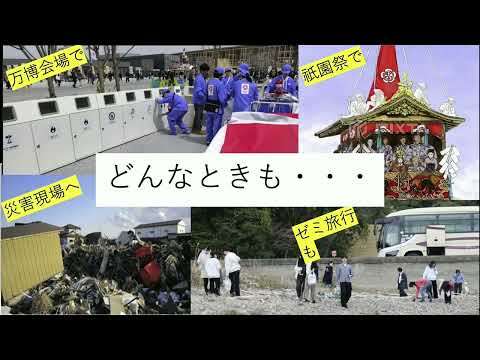
拝啓「ごみ」様 | Misuzu Asari | TEDxKyotoUniversity
TEDx Talks· 2025-12-04 17:41
Environmental Awareness and Waste Management - The speaker founded a "Garbage Club" (兄弟ゴミ部) aiming to create a society where people wouldn't have to pick up trash [1] - The speaker was criticized for using katakana (ゴミ) instead of hiragana (ごみ) to write "garbage," as it was seen as a form of discrimination [1] - The speaker emphasizes the importance of discussing environmental issues with friends and family, noting that in Japan, a significant portion of people (indicated by the "yellow part" of a survey result) do not discuss these issues even once a month [2] - The speaker advocates for carrying reusable items like water bottles, bags, and chopsticks as a simple eco-friendly action and conversation starter [2] - The speaker points out the hypocrisy of carrying reusable items but still accepting disposable items, highlighting the convenience-driven habits of society [3] Waste Composition and Societal Changes - The speaker mentions a study that began in 1980, categorizing household waste in Kyoto into approximately 400 types, and has continued for 45 years [2] - Disposable diapers became popular in Japan after the introduction of American-made diapers in 1975 and Japanese tape-style diapers in 1981, leading to mass production, consumption, and disposal [1][2] - While the use of children's disposable diapers is decreasing due to the declining birth rate, the use of adult and pet diapers/sheets is increasing [2] - The speaker acknowledges the essential use of disposable diapers for caregiving, despite advocating for waste reduction [2] Personal Reflection and Values - The speaker's encounter with garbage has changed their perspective, allowing them to see society from a different angle and appreciate those who are marginalized or in need [3]

X @Bloomberg
Bloomberg· 2025-10-20 16:10
Beef has a bigger footprint than most other meat, but how big depends on where you're eating it, a new study found. Here's why https://t.co/S3DhbIbgp3 ...