
Environmental Health

Search documents
Les sargasses : un bien commun pour une Caraïbe plus unie (LSF) | Damiens NICOLAS | TEDxPointeaPitre
TEDx Talks· 2025-12-19 17:03
Sargassum Crisis Overview - The Caribbean region faces a shared destiny due to sargassum blooms, impacting areas from the Lesser Antilles to the Gulf of Mexico [4][5] - Sargassum negatively affects tourism-dependent island economies, causing millions of euros in losses, and harms underwater ecosystems [7][8] - The sargassum crisis highlights the interconnectedness of island ecosystems, tourism economies, and human health [9] Challenges in Regional Collaboration - Cultural differences, limited inter-island connections, language barriers, and varying political choices hinder unified action in the Caribbean [2][3] - Governments in the Caribbean region sometimes hesitate to fully invest in their shared identity, complicating collaborative efforts [4] - Differing perspectives on sargassum, with anglophone regions focusing on economic opportunities and francophone regions emphasizing health risks, create divisions [17][18] Proposed Solutions and Future Vision - The industry needs to define a legal status for sargassum to foster a common understanding and shared vision across the Caribbean [23][24] - Cultivating social and ecological solidarity is crucial, involving data sharing, research collaboration, and mutualized funding for sargassum management [25] - A unified voice for the Caribbean is necessary to advocate for international recognition of the sargassum problem and negotiate fair compensation for economic, environmental, and health losses [26] - The industry should envision a Caribbean where sargassum is transformed from a crisis into an opportunity for cooperation and regional governance [27][28] - Addressing sargassum collectively can serve as a foundation for a more united, resilient, and self-reliant Caribbean, extending to other shared challenges like coastal erosion and coral bleaching [29][30] Data Summary - 38 million tonnes of sargassum observed in the Caribbean basin, including the Gulf of Mexico and the Atlantic coast [1] - This amount of algae could cover the entire area of Guadeloupe (1628 km²) with a layer almost 2 meters thick [1]


拝啓「ごみ」様 | Misuzu Asari | TEDxKyotoUniversity
TEDx Talks· 2025-12-04 17:41
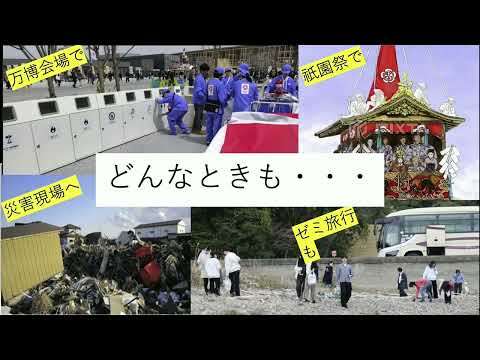
Environmental Awareness and Waste Management - The speaker founded a "Garbage Club" (兄弟ゴミ部) aiming to create a society where people wouldn't have to pick up trash [1] - The speaker was criticized for using katakana (ゴミ) instead of hiragana (ごみ) to write "garbage," as it was seen as a form of discrimination [1] - The speaker emphasizes the importance of discussing environmental issues with friends and family, noting that in Japan, a significant portion of people (indicated by the "yellow part" of a survey result) do not discuss these issues even once a month [2] - The speaker advocates for carrying reusable items like water bottles, bags, and chopsticks as a simple eco-friendly action and conversation starter [2] - The speaker points out the hypocrisy of carrying reusable items but still accepting disposable items, highlighting the convenience-driven habits of society [3] Waste Composition and Societal Changes - The speaker mentions a study that began in 1980, categorizing household waste in Kyoto into approximately 400 types, and has continued for 45 years [2] - Disposable diapers became popular in Japan after the introduction of American-made diapers in 1975 and Japanese tape-style diapers in 1981, leading to mass production, consumption, and disposal [1][2] - While the use of children's disposable diapers is decreasing due to the declining birth rate, the use of adult and pet diapers/sheets is increasing [2] - The speaker acknowledges the essential use of disposable diapers for caregiving, despite advocating for waste reduction [2] Personal Reflection and Values - The speaker's encounter with garbage has changed their perspective, allowing them to see society from a different angle and appreciate those who are marginalized or in need [3]
X @Bloomberg
Bloomberg· 2025-07-02 13:48
Environmental Concerns - US landfills are reaching scorching temperatures [1] - Neighbors near landfills are reportedly getting sick [1] Source - Bloomberg is reporting on the landfill issue [1]