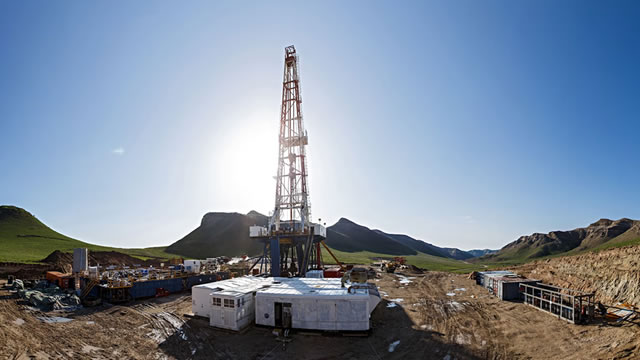
Geopolitical Shocks

Search documents
Why Iran crisis could trigger massive U.S. stock market rally
Finbold· 2026-03-22 15:31
Core Insights - Historical data suggests that the stock market may recover despite recent volatility linked to the Middle East conflict involving the U.S., Israel, and Iran [1] - The S&P 500 has declined approximately 5% since the conflict began, reflecting a typical pattern observed in past geopolitical crises [1][2] Market Behavior - Data indicates that U.S. stocks usually find a bottom around the two-week mark following geopolitical shocks, aligning with the current market pullback [2] - The current decline mirrors historical averages and median trajectories, suggesting that markets may be approaching an inflection point [2] Recovery Patterns - Insights from The Kobeissi Letter indicate that equities stabilize and reach their lowest levels around day 12 to 15 after an initial period of volatility [3] - The current market cycle shows a dip into a range similar to previous geopolitical sell-offs, indicating a potential sharp but short-lived trough before recovery begins [4] - Historically, once a bottom is established, the rebound phase lasts about 40 trading days, with stocks typically regaining lost ground and moving higher as uncertainty diminishes [4] Recent Market Performance - The S&P 500 fell sharply, hitting a six-month low as the U.S.-Israeli conflict with Iran intensified, leading to fears of oil supply disruptions and persistent inflation [5] - The index dropped 1.51% to 6,506.48, marking a 1.9% weekly loss and a fourth consecutive weekly decline, with a total decline of approximately 5.4% since the conflict began [5] Factors Influencing Volatility - The sell-off has been driven by rising energy prices due to attacks on key infrastructure and disruptions in the Strait of Hormuz [10] - While U.S. markets have shown resilience due to domestic energy strength and hopes for a shorter conflict, prolonged uncertainty could lead to further losses [10]


1 Top Stock to Buy Amid the Strait of Hormuz Closure
Yahoo Finance· 2026-03-19 17:34
Core Viewpoint - Alcoa stock, valued at approximately $17 billion, has seen a significant increase of 14% in 2026 and 89% over the past year, indicating a strong investment opportunity due to current market conditions [1]. Group 1: Market Dynamics - The closure of the Strait of Hormuz poses a risk to global aluminum supply, as Gulf countries produce nearly 7 million metric tons annually, accounting for about 9% of global supply [2]. - Major producers in the region, such as Cadalum and Alba, have curtailed production significantly, with Cadalum reducing capacity by 40% and Alba declaring force majeure on shipments, leading to a rise in aluminum prices [3]. - The increase in aluminum prices and the record Midwest premium are expected to positively impact Alcoa's revenue [3]. Group 2: Demand and Supply Chain Adjustments - Alcoa has reported stable demand across various sectors, including packaging, electrical, construction, and data centers, with an uptick in inquiries from customers seeking alternatives to Middle Eastern suppliers due to supply uncertainties [4][6]. - The company is strategically repositioning inventory to the U.S. to enhance margins and reduce tariff costs, reflecting a proactive approach to capitalize on new demand [7]. Group 3: Tariff Impact - The 50% Section 232 tariffs on aluminum imports have been beneficial for Alcoa, as the rising Midwest premium has offset tariff costs on Canadian aluminum, creating a favorable environment for the company [8].

11 Investment Must Reads for This Week (March 17, 2026)
Yahoo Finance· 2026-03-17 16:14
You can find original article here WealthManagement. Subscribe to our free daily WealthManagement newsletters. Surging Oil ETFs Get Extra Boost From Backwardation “Those gains are ahead of the roughly 66% and 64% increases in front-month WTI and Brent crude oil futures, respectively. And if the supply situation remains tenuous, the ETFs could continue to outperform futures. That’s because returns for these funds depend not only on the direction of oil prices, but also on the shape of the futures curve.” (E ...
Rosen: Wall Street's Underestimating the Bull Narrative
Youtube· 2026-03-16 22:00
Market Overview - The current market sentiment is mixed and uncertain, influenced by recent geopolitical and oil shocks [2][5] - Historical data shows that after oil prices increase by 20% over two days, stocks have risen six out of seven times in the following year, averaging a gain of 24% [3][4] - Geopolitical shocks since the Korean War have led to an average stock gain of 14.2% a year later, indicating resilience in the market [4] Oil and Energy Sector - Oil prices are currently at $94.89 per barrel, and the decline in oil prices has provided a boost to stocks [1] - The energy sector is performing well, benefiting from both the AI infrastructure boom and the ongoing conflict in the Middle East, which is expected to drive energy prices higher [12] - The financial sector, in contrast, is facing challenges due to private credit fears and major banks controlling withdrawals, leading to increased uncertainty [12] Technology Sector - The "MAG 7" tech stocks have underperformed year-to-date, despite being strong performers in previous years [14] - There is a notable rotation out of tech stocks, with the S&P 493 outperforming the S&P 500, indicating a shift in market dynamics [15] Federal Reserve and Interest Rates - The market does not anticipate interest rate cuts in the near term, with expectations for cuts being pushed further into the year due to inflation fears and oil shocks [17] - There is speculation that the Federal Reserve may implement more cuts than currently priced in by the market [17] Investor Sentiment - Current bearish sentiment is high, with many investors feeling pessimistic due to negative headlines; however, historical trends suggest that markets tend to recover over time [18]

X @Bloomberg
Bloomberg· 2026-03-04 04:02
Market optimists are usually right in geopolitical shocks, @johnauthers writes. Still, buying after the selloff comes with risks — sometimes very large ones (via @opinion) https://t.co/dJ46DnCsOa ...
Iran Strikes: What This Means for Oil and Global Markets
Bloomberg Television· 2026-03-02 15:05
The USIsraeli war against Iran has shaken the global oil market. Iran controls about 5% of global oil and a straight of humus, a key oil trade route that carries about 1/5if of global oil flows could be impacted by the strikes. This has serious implications for all global markets.It matters for stocks because it may squeeze corporate profits and weigh on risk appetite. for bonds because it may strike inflation for currencies because it may send the dollar higher. It even matters for central bank monetary po ...
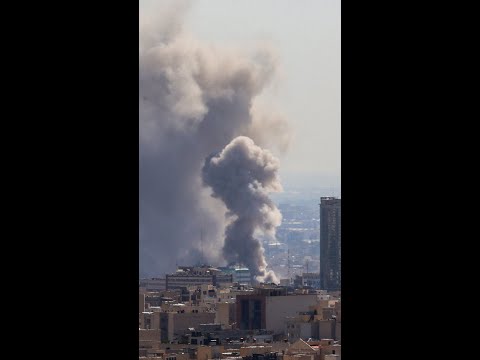
Market Developments: Stellantis Price Cuts, Google’s Regulatory Dialogue, and Geopolitical Shifts
Stock Market News· 2026-01-28 10:38
Group 1: Automotive Industry - Stellantis (STLA) plans to implement more aggressive price reductions on new vehicles in France starting in 2026 to boost sales volumes and regain market share in a competitive landscape [2][9] Group 2: Technology Industry - Google (GOOGL) is actively engaging with the UK's Competition and Markets Authority (CMA) regarding proposed new controls on its search services, expressing optimism about finding a constructive resolution while cautioning against measures that could lead to a fragmented or confusing user experience [3][9] Group 3: Retail Industry - Walmart Inc. (WMT) has announced a significant investment in its pharmacy operations, promoting 3,000 roles to Pharmacy Operations Team Lead positions with an average hourly wage of $28, reflecting the company's commitment to its pharmacy team [5][9] Group 4: Financial Sector - The European Central Bank's Executive Board member Elderson emphasized the critical need for financial institutions to enhance their robustness and resilience against geopolitical shocks and macro-financial uncertainties [6][9]



Gold Price Forecast – Geopolitical Shocks and US Dollar Weakness Drive Surge Toward $5,400
FX Empire· 2026-01-25 11:55
Core Viewpoint - The content emphasizes the importance of conducting personal due diligence and consulting with competent advisors before making any financial decisions, particularly in relation to investments in cryptocurrencies and CFDs [1]. Group 1 - The website provides general news, personal analysis, and third-party materials intended for educational and research purposes [1]. - It explicitly states that the information should not be interpreted as a recommendation or advice for investment actions [1]. - The accuracy and reliability of the information are not guaranteed, and users are cautioned against relying solely on the content provided [1]. Group 2 - The website discusses the complexities and high risks associated with cryptocurrencies and CFDs, highlighting the potential for significant financial loss [1]. - It encourages users to conduct their own research and fully understand the instruments and risks involved before making investment decisions [1].

Chart Of The Day: Foreign Funds And Geopolitical Shocks
Seeking Alpha· 2026-01-09 11:30
Group 1 - The article does not provide any relevant content regarding company or industry insights [1]
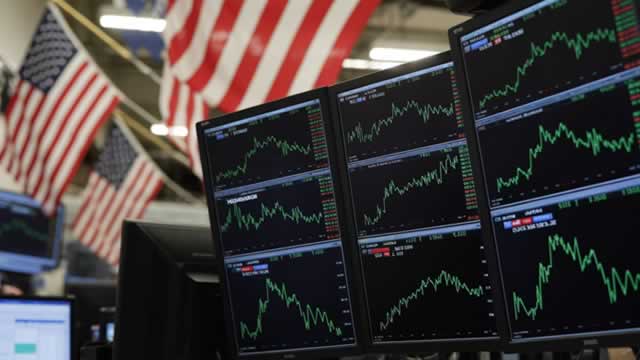
Not Your Father's Oil Market: Geopolitical Shocks Lack Impact
WSJ· 2026-01-05 12:00
Core Viewpoint - Sanctions and fracking have significantly altered the market dynamics, impacting supply and pricing strategies across various sectors [1] Group 1: Market Changes - The introduction of sanctions has led to a reduction in available resources, affecting overall market supply [1] - Fracking technology has enabled increased production capabilities, contributing to shifts in market pricing [1] Group 2: Industry Impact - Companies involved in energy production are adapting to these changes by reevaluating their operational strategies [1] - The interplay between sanctions and fracking is creating both challenges and opportunities for firms in the energy sector [1]