Ghiaccio artico

Search documents
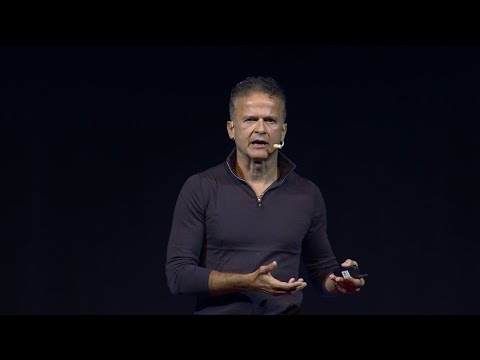
Salvare il ghiaccio artico e rallentare il riscaldamento globale | Andrea Ceccolini | TEDxCortina
TEDx Talks· 2025-09-17 15:51
Arctic Ice Loss & Climate Change - Arctic ice reflects solar radiation, helping to keep the planet cool, but it's rapidly disappearing, with nearly half of its surface area and 75% of its volume lost since the 1980s [1] - The Arctic is warming four times faster than the rest of the planet, accelerating the melting of Greenland's glaciers and permafrost, potentially releasing significant amounts of methane, a potent greenhouse gas [1] - Melting Arctic ice could raise global sea levels by up to 7 meters and negate efforts to combat climate change [1] Indigenous Communities & Arctic Ecosystem - Indigenous communities, like the Inuit, rely on sea ice for hunting, travel, and cultural survival, viewing it as essential to their way of life [1] - Sea ice is the base of the Arctic food chain, supporting algae, plankton, fish, and marine mammals like polar bears, seals, and walruses; its loss would devastate the Arctic ecosystem [1] - Collaboration with indigenous communities is crucial, as they are the experts on ice and the legitimate owners of these lands [1] Proposed Solution & Challenges - The proposed solution involves using underwater drones to pump seawater onto the ice to thicken it, helping it last longer and reflect more solar radiation [1][2] - Challenges include operating in a hostile environment with temperatures as low as -50 degrees Celsius, strong winds, and rapidly freezing water, requiring autonomous solutions [1] - The goal is to scale the solution to cover 1 million square kilometers to have a significant impact on the climate [1] Urgency & Rationale - Addressing the Arctic ice loss is urgent because what happens in the Arctic impacts the entire planet [2][3] - Saving the Arctic can buy time to address climate change, preserve indigenous cultures, and protect a rich ecosystem [3][4] - Despite international agreements to reduce emissions, they have doubled in the past 30 years, highlighting the need for immediate action [3]