Healthcare cost management

Search documents
These are the 3 basic expenses Medicare doesn’t cover that can total over $100K a year. How to plan ahead
Yahoo Finance· 2026-02-02 18:15
Core Insights - Medicare does not cover vision care, leading to significant out-of-pocket expenses for routine eye exams and corrective lenses [1][5] - Dental care costs without insurance can vary widely, with average dental cleaning ranging from $75 to $200, and fillings costing between $50 and $250 depending on the material used [2][4] - Households relying on Medicare spent an additional $7,000 annually on uncovered healthcare expenses, highlighting the financial burden of healthcare in retirement [4][18] Vision Care - The average cost of a routine eye exam is approximately $136 without insurance, with retail chains like Walmart and Sam's Club offering lower prices starting at $75 and $45 respectively [1] - The average cost of prescription eyeglasses without insurance is around $350, with significant variation based on frame and lens choices [5] Dental Care - The average cost of dental cleaning without insurance is between $75 and $200, while cavity fillings can range from $50 to $150 for basic amalgam and $90 to $250 for composite resin or glass ionomer [2] Long-term Care - Medicare does not cover long-term care costs, which can be substantial, with yearly expenses for a home health aide averaging $77,796, assisted living at $70,800, and nursing home costs ranging from $111,324 for shared rooms to $127,750 for private rooms [12][16] - Long-term care insurance is recommended to mitigate these costs and protect retirement savings [13][14] Financial Planning - The average healthcare cost in retirement for a 65-year-old is estimated at $172,500, which includes Medicare premiums and out-of-pocket expenses but excludes dental and long-term care [18] - Contributing to a Health Savings Account (HSA) during working years is advised, as HSA funds can grow tax-free and be used for medical expenses in retirement [17][27] - In 2026, HSA contribution limits are set at $4,400 for individuals and $8,750 for families, with an additional $1,000 allowed for those aged 55 and older [19][20]
Here's What Medicare Part B Costs in 2026
The Motley Fool· 2026-01-11 03:18
Core Insights - Medicare Part B costs are expected to increase in 2026, with a standard monthly premium of $202.90, up from $185 in 2025, affecting higher earners with additional surcharges [3] - The annual deductible for Medicare Part B will rise to $283 in 2026, an increase from $257 in 2025, requiring beneficiaries to pay the full Medicare-approved amount until the deductible is met [4] - Understanding Medicare Part B costs is crucial for retirees on fixed incomes, as healthcare expenses can significantly impact financial planning [2][8] Cost Breakdown - The standard monthly premium for Medicare Part B in 2026 is set at $202.90, with higher earners facing additional surcharges if their income exceeds $109,000 for single filers or $218,000 for joint filers [3] - The annual deductible for Medicare Part B will be $283 in 2026, meaning beneficiaries will pay out-of-pocket until this amount is reached before Medicare covers 80% of approved costs [4] - Medigap plans can assist with covering some Part B costs, including the 20% coinsurance for outpatient services, although they do not cover the monthly premiums [6] Enrollment Considerations - The optimal time to enroll in a Medigap plan is during the initial sign-up window, which begins when an individual turns 65 and enrolls in Part B, ensuring coverage cannot be denied due to pre-existing conditions [7] - Delaying the purchase of Medigap coverage may lead to higher costs, potentially diminishing the financial benefits of the plan [7]
Medicare doesn’t cover these 3 expenses that total over $100K. Make sure you’ll have enough in your HSA to cover them
Yahoo Finance· 2025-11-17 18:57
Core Insights - The article discusses the financial challenges older Americans face regarding healthcare costs, particularly those not covered by Medicare, and suggests strategies to manage these expenses effectively. Group 1: Healthcare Costs - Medicare does not cover routine vision and dental care, leading to significant out-of-pocket expenses for seniors [2][4][11] - Average costs for various healthcare services include: - Prescription eyeglasses: approximately $350 [1] - Routine eye exam: about $136 [2] - Dental cleaning: between $75 and $200 [3] - Root canal: average cost of $1,165 [2] - Dentures: range from $350 to $12,450 [2] - Long-term care costs can be substantial, with averages of $77,796 for a home health aide, $70,800 for assisted living, and up to $127,750 for a private nursing home room [18] Group 2: Financial Planning Strategies - Joining organizations like AARP can provide discounts on healthcare services and help manage budgets [7][8] - Contributing to a Health Savings Account (HSA) is recommended to cover future healthcare costs, with the average retirement healthcare cost for a 65-year-old estimated at $172,500 [15][14] - HSA contribution limits for 2025 are $4,300 for individuals and $8,550 for families, with an additional $1,000 for those aged 55 and older [16] Group 3: Financial Advisory Services - Consulting a financial advisor can help seniors plan for healthcare expenses in retirement, including maximizing HSA contributions [21][22] - Platforms like Advisor.com can connect individuals with vetted financial advisors to assist in retirement planning [22][23]
UnitedHealth Reports $3.4 Billion Profit And Sees 2026 Earnings Growth
Forbes· 2025-07-29 11:05
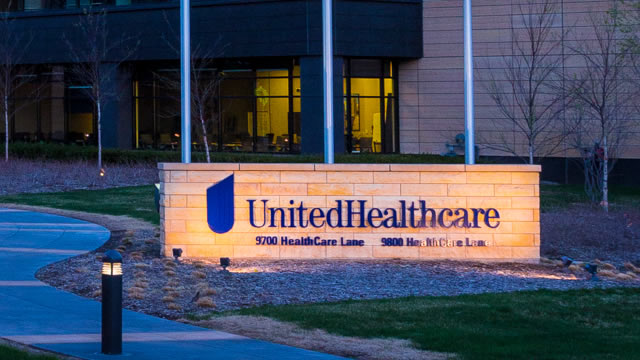
Company Overview - UnitedHealth Group reported a profit decline to $3.4 billion in the second quarter due to rising costs associated with providing health insurance to millions of Americans [2][3] - The company has reinstated Stephen Hemsley as CEO and anticipates a return to earnings growth in 2026 [3] Financial Outlook - UnitedHealth Group updated its 2025 financial outlook, projecting revenues between $445.5 billion and $448.0 billion, with net earnings of at least $14.65 per share and adjusted earnings of at least $16 per share [4] - The revised outlook is below some analysts' expectations and reflects the performance of the first half of 2025 along with anticipated care trends [4] Operational Challenges - The consolidated medical care ratio for UnitedHealthcare increased to 89.4%, up 430 basis points year-over-year, compared to 84.8% in the previous year [7] - The rise in the medical cost ratio is attributed to medical cost trends surpassing pricing trends, including unit costs and service intensity, as well as ongoing Medicare funding reductions [8] Industry Context - UnitedHealth's cost management struggles are part of a broader trend affecting health insurance companies over the past two years, particularly those managing government-subsidized plans [9] - Other companies in the industry, such as Centene and Elevance Health, have also reported challenges in controlling costs and have adjusted their profit forecasts downward due to similar pressures [10][11]


Centene Reports $253 Million Loss Amid Health Insurer Cost Struggles
Forbes· 2025-07-25 11:15
Company Overview - Centene reported a $253 million loss in the second quarter of 2025, equating to 51 cents per share, a significant decline from a net income of $1.1 billion, or $2.16 per share, in the same period last year [3][5] - The company experienced an 18% increase in premium and service revenues, rising to $42.5 billion from $36 billion year-over-year [3] Performance Challenges - Centene is facing rising costs among its health plan members across all three government-subsidized benefits it manages: Medicaid, Medicare Advantage, and individual coverage under the Affordable Care Act [4][9] - The health benefits ratio increased to 93% in Q2 2025, up from 87.6% in Q2 2024, indicating a higher percentage of premium revenue allocated to medical costs [7][8] Strategic Response - CEO Sarah London expressed disappointment in the second quarter results but emphasized a clear understanding of the trends affecting performance and a commitment to restoring earnings [5][6] - Centene plans to reveal its 2025 profit forecast, having previously pulled its financial guidance due to an independent analysis indicating that patients required more healthcare services than expected [6] Industry Context - Centene's cost struggles are part of a broader trend affecting health insurance companies, with several firms, including Elevance Health and Molina Healthcare, also lowering profit forecasts due to rising costs in government-subsidized plans [9][10] - UnitedHealth Group and CVS Health have similarly faced challenges, with UnitedHealth suspending its financial outlook and CVS exiting the individual health insurance market [11][12]