Highly skilled workers

Search documents
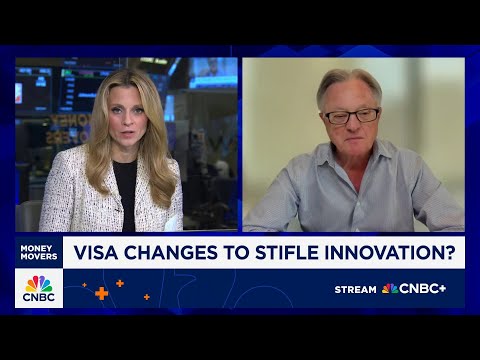
Lerer Hippeau's Eric Hippeau: Raising H-1B visa fees will hurt U.S. startups and innovation
CNBC Television· 2025-09-23 17:25
H-1B Visa Policy Impact - The increase in H-1B visa fees to $100,000 per year may hinder the ability of both small and large companies to attract top talent, potentially harming American innovation [1] - Making it more difficult and expensive to obtain H-1B visas could negatively impact companies and startups, reducing the ability to maintain a leading innovative economy [4] - Increased H-1B restrictions may encourage companies to offshore employment instead of hiring US workers, particularly affecting consulting firms [9] Skilled Worker Shortage - There is a persistent shortage of highly skilled workers, especially in the tech sector, which is expected to continue [2] - US schools graduate approximately 150,000 computer science graduates annually, with 50,000 holding master's degrees, a number that has remained flat for years [2][3] - Demand for computer science graduates is about three times the number of graduates, leading to reliance on H-1B visas to fill the gap [3][4] Company Strategies and Implications - Larger companies like Microsoft, Meta, and Amazon, with Amazon having over 10,000 H-1B visa approvals in the first half of 2025, will likely pay the increased fees, viewing it as a tax [5][6][7] - Smaller companies may create remote locations in countries like Canada, India, or Europe, leading to the export of talent [8] Economic and Innovation Concerns - Highly skilled immigrants create more jobs for Americans and generate more patents, contributing significantly to the US economy [10][11] - Restricting skilled immigration could damage the US brand and its ability to compete with countries like China and India [12] - China graduates 400,000 to 600,000 computer science graduates every year, posing a competitive threat if the US becomes less welcoming to foreign talent [13]