Identity development

Search documents
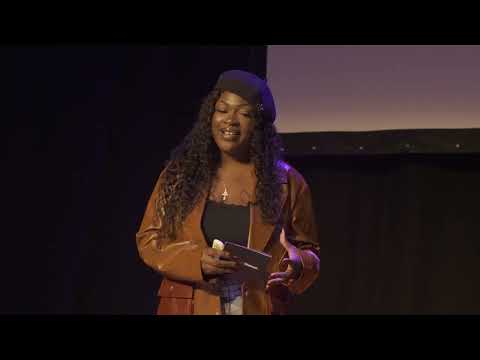
The Emotional Cost of Missing Black Hair In Games | Danielle Udogaranya | TEDxLadywood Women
TEDx Talks· 2025-11-21 16:31
Representation in Games - The lack of diverse representation in games, particularly for Black individuals, leads to feelings of erasure and self-discrepancy, impacting self-esteem [2][3][4][5][6][7][8][9][10][11][12][13][14][15][16][17][18] - Games are becoming crucial spaces for identity rehearsal, with over 90% of adolescents playing daily, making representation vital for healthy identity development [6][8][27] - The industry needs to move beyond limited options for Black hair and other cultural representations, recognizing the connection between hair, identity, culture, and empowerment [13][14][23][24][25] - AI in game development risks perpetuating biases if built on biased datasets, highlighting the need for inclusive data and diverse teams [15][16] Industry Initiatives and Solutions - Independent creators and partnerships, such as the Sims and L'Oreal's Dark and Lovely "Play in Color" campaign, demonstrate the possibility of bringing diverse hairstyles to millions [20][21] - Resources like Dove's "Code My Crown" provide free tools and data sets for creating Black hair textures, proving that the barrier to representation is systemic, not technical [22] - Game developers need to actively seek guidance and implement workflows that prioritize diverse representation, rather than avoiding it due to perceived difficulty [24][25] Global Perspective - Investment in Africa's gaming industry, which has surpassed $1 billion, is crucial for ensuring diverse stories and cultural representation, but currently faces limited access to funding and server usage [26] - Parents and carers should ensure young people have access to games that reflect their culture and heritage, as representation is fundamental to identity development [27]

Why do people want to be anonymous online? | Lewis Nitschinsk | TEDxUQ
TEDx Talks· 2025-06-21 17:01
Anonymity and Online Behavior - Anonymity allows individuals to pursue goals they might find unattainable when identifiable [1] - One in five (20%) Australian teens have experienced cyberbullying or trolling [1] - One in seven (approximately 14%) Australian teens have been the bully or troll at least once [1] - Anonymity can amplify toxicity, especially when individuals with malicious intentions are placed in situations where they can act without social cost [1][2] Positive Aspects of Anonymity - Anonymity provides a safety net for creativity, allowing individuals to experiment and master skills without fear of judgment [2] - Anonymous platforms enable individuals to explore different facets of their identity, especially for those with lower self-esteem or social anxiety [2] - Anonymity is crucial for the safety and connectedness of marginalized groups, such as queer communities, providing spaces for community building and self-discovery [2] Social Media and Identity - Social media's "context collapse" can limit self-expression, leading individuals to create anonymous accounts to explore different aspects of their identity [2]