Inherited survival

Search documents
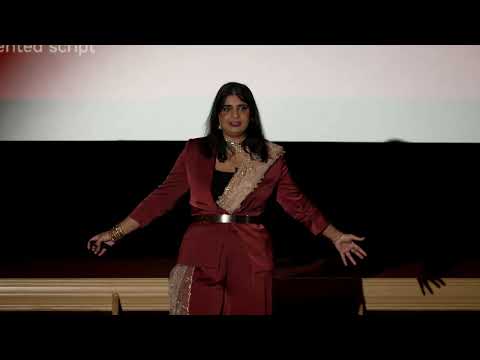
Cracking the Intergenerational Code | Anushka Phal | TEDxVictor Harbor
TEDx Talks· 2025-12-18 16:51
Core Argument - The talk addresses the inherited survival mindset prevalent in descendants of migration, ancestral displacement, and colonization, particularly within the South Asian diaspora [3] - It explores how historical events have shaped beliefs around rest, work, and emotional expression, leading to feelings of guilt, a scarcity mindset, and emotional suppression [3] Historical Context - Pre-colonial South Asia had a healthy balance between work, creativity, and community, which was disrupted by British colonization [3][6] - Colonization led to a survival mode characterized by "protect, provide, endure," impacting subsequent generations through displacement, partition, and economic crises [3] - Migration waves in the 80s and 90s further solidified this survival mindset, especially in the US, Australia, and New Zealand [3] Manifestations of Inherited Survival - "Protect" translates to "we before me," emphasizing collectivism and conformity to community norms, driven by fear of displacement and societal judgment [3] - "Provide" becomes "rest is risky," fostering a scarcity mindset and prioritizing productivity as a means of survival, often leading to career choices in stable fields like medicine, engineering, or law [3][8] - "Endure" manifests as "conceal don't feel," suppressing emotions due to hypervigilance and the need to appear strong, leading to interrupted emotional literacy across generations [3][13][15] Intergenerational Trauma & Healing - The speaker highlights examples of intergenerational differences in expressing love and dealing with emotions, showcasing a shift towards openness and emotional awareness in younger generations [16][17][18][19][20] - The proposed solution involves "name, locate, and change" inherited patterns without shame or blame, encouraging small acts of defiance and embracing positive cultural inheritances [20] - Healing intergenerational trauma starts with individual willingness and small actions, such as open conversations and challenging ingrained beliefs about rest and emotional expression [20]