Institutional Homebuying Ban

Search documents
Offerpad Stock Explodes 50% Overnight After Trump's $200 Billion Mortgage Bond Plan — Opendoor Spikes - Federal Home Loan (OTC:FMCC), Federal National Mortgage (OTC:FNMA)
Benzinga· 2026-01-09 02:02
Group 1 - Shares of iBuying platforms Opendoor Technologies Inc. and Offerpad Solutions Inc. surged significantly in after-hours trading following President Trump's proposal to purchase $200 billion in mortgage bonds [1][2] - The proposal aims to lower mortgage rates and monthly payments for American households, potentially restoring housing affordability and increasing demand in the U.S. housing market [2][3] - Opendoor's Head of Homebuilder Partnerships stated that the company would remain broadly "unaffected" by a proposed ban on institutional investors buying single-family homes, as it targets landlords with over 100 properties [4][5] Group 2 - The proposed ban could create short-term pricing pressure in certain neighborhoods if it includes forced selling of properties, but Opendoor is not classified as an institutional landlord [5][6] - Investor concerns regarding iBuying companies were alleviated by Nejatian's clarification, and the mortgage buying proposal is expected to create additional momentum for these companies [6] - Opendoor's shares are noted for high momentum in Benzinga's Edge Stock Rankings, indicating a favorable long-term price trend [7]




5 ways Trump’s proposed institutional single-family homebuying ban could affect the housing market
Fastcompany· 2026-01-08 19:15
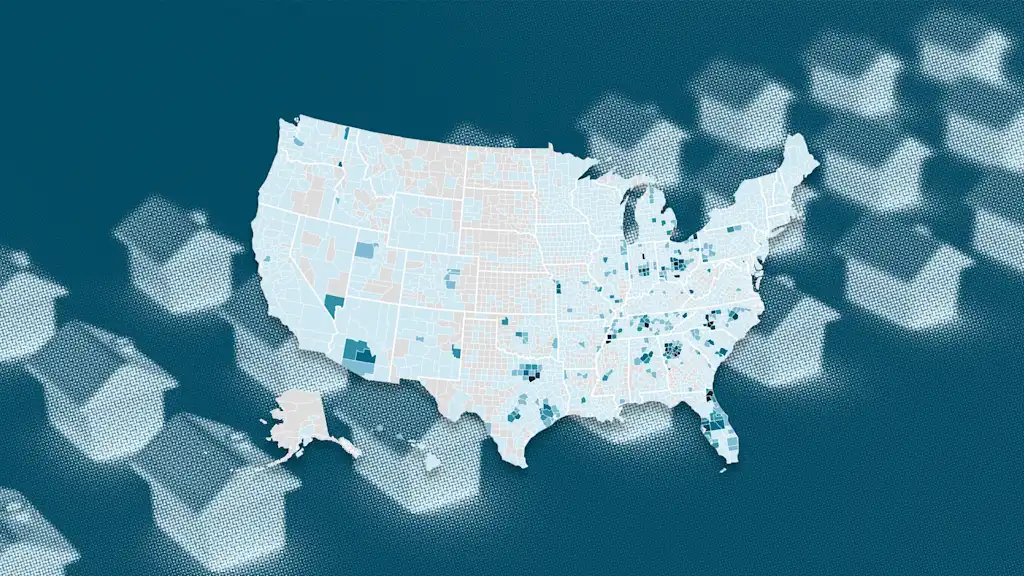
Core Viewpoint - President Trump's announcement to ban large institutional investors from purchasing single-family homes has sparked discussions about its potential implications and feasibility [2] Group 1: Institutional Investor Impact - Large institutional investors, defined as those owning at least 100 single-family homes, currently hold about 1% of the total single-family housing stock in the U.S. [3] - Certain regional markets, particularly in the Sun Belt, have a higher concentration of institutional ownership, which could lead to significant effects if a ban is enacted [6][4] - The institutional presence in markets like Phoenix and Atlanta has established a robust ecosystem for single-family rentals, making it easier for these firms to operate [5] Group 2: Home Prices and Market Dynamics - A forced sell-off of institutional holdings could lead to increased downward pressure on home prices in specific neighborhoods already experiencing corrections [7] - Institutional buying has decreased significantly since the Pandemic Housing Boom, dropping from 3.1% of home purchases in Q2 2022 to around 1% currently [10][11] - If a ban were to be enacted, it would reduce housing demand that currently accounts for about 1% of total U.S. homebuying activity [9] Group 3: Homebuilding and Development - The proposed ban could negatively impact U.S. homebuilding, especially if it includes restrictions on build-to-rent developments, which currently represent about 8% of total U.S. single-family housing starts [14][12] - Institutional landlords have shifted focus from purchasing existing homes to building new single-family rentals, with a significant portion of acquisitions coming from in-house homebuilding units [16] - The current rate of new single-family home completions is about 1 million annually, which is still below historical averages, indicating a supply issue rather than a demand problem [17] Group 4: Tenant Implications - Most institutionally owned homes are currently occupied, and a forced sell-off could displace thousands of tenants who may not be able to afford to buy their homes [18] - A significant percentage of tenants in institutional rentals, approximately 85%, would not qualify to purchase the homes they currently occupy [19] - The assertion that institutional ownership is the primary cause of housing unaffordability is challenged, with arguments suggesting that policy failures are the root cause of the housing crisis [19]