Intimate Partner Violence

Search documents
'It Wasn't That Bad' | Niaomi S. MoShier | TEDxMorgan State University
TEDx Talks· 2026-03-06 17:21
Hi everyone. When I was 3 years old, my mom enrolled me in soccer club. She did it because she wanted to make sure that her only child who was homeschooled would be properly socialized. However, it became an integral part of my childhood. When I was six years old, my family moved to a small town upstate called Mining Valley. Until I was 13 years old, I was often the only black child in the class. Using words like FA, whatchamacallit, what you say, were frowned upon. I didn't really fit in. But one consisten ...

ความสัตย์จริงต่อหัวใจ | บุษยาภา ศรีสมพงษ์ | TEDxMahidolU | บุษยาภา ศรีสมพงษ์ | TEDxMahidolU
TEDx Talks· 2026-02-09 17:38
เมื่อเราพูดถึงความรักทุกคนนึกถึงอะไรกัน บ้างคะ อยากให้ทุกลงทุกคนลองมาสำรวจใจสำรวจร่าง กายพอเห็นคำว่าความรัก บางคนอาจจะนึกถึงโมเมนที่ทุกอย่างเป็นสี ชมพูพูผีเสื้อในท้องพระอาทิตย์ตกดินความ สดใสความอบอุ่นโมเมนที่ใจเต้นแรงที่เรา ให้เขาทักมา แต่แน่นอนว่าเมื่อเราพูดถึงความรักมันก็ อาจจะไม่ใช่เสดสีหรืออารมณ์เดียวเราอาจจะ นึกถึงความรักตั้งแต่วัยเด็กจนโตความรัก ในบ้านในโรงเรียนแน่นอนว่าประสบการณ์ของ ความรักของแต่ละคนไม่เหมือนกัน พอเราพูดถึงความสัมพันธ์หรือความรักเรา อาจจะนึกถึงความกังวลความรู้สึกไม่มั่นใจ ความรู้สึกเ ...

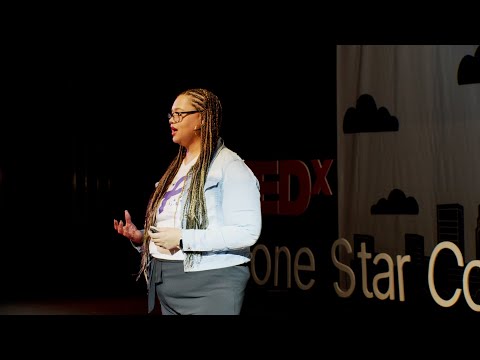
Solving domestic violence in the Black community | Amber Robertson | TEDxLone Star College
TEDx Talks· 2025-10-06 16:58
Key Issues - Black women in America are disproportionately affected by intimate partner violence, facing a higher risk of being murdered by a current or former partner compared to other groups of women [1] - 40% of black women will experience domestic violence in their lifetime, compared to 30% of white women [1][2] - Stigmas within the black community discourage contacting law enforcement, contributing to the burden of protecting abusers [2][4] - Black men are often criminalized and stereotyped, leading to stifled emotions and a lack of positive representation in the media [4][6] - Black women face societal pressures to stay in abusive relationships, fearing being labeled as traitors or weak if they leave [8][9] Public Health Implications - 49% of black women suffer from heart disease, and they are twice as likely to have a stroke [15] - Over 60% of black women have high blood pressure, and 29% to 44% face postpartum depression, often untreated [16] - As of 2024, 5 out of every 100,000 black women will end their life by suicide, a number that is steadily rising [16] Solutions and Recommendations - Normalize therapy and counseling to seek support before crises escalate, breaking the stigma of silence [17] - Foster open dialogue and conversation within families, communities, and institutions to provide voice and tools to children and youth [18] - Be the generation that breaks the silence and creates safe spaces for black women, prioritizing their peace, safety, and right to live [19]