Job market situation

Search documents
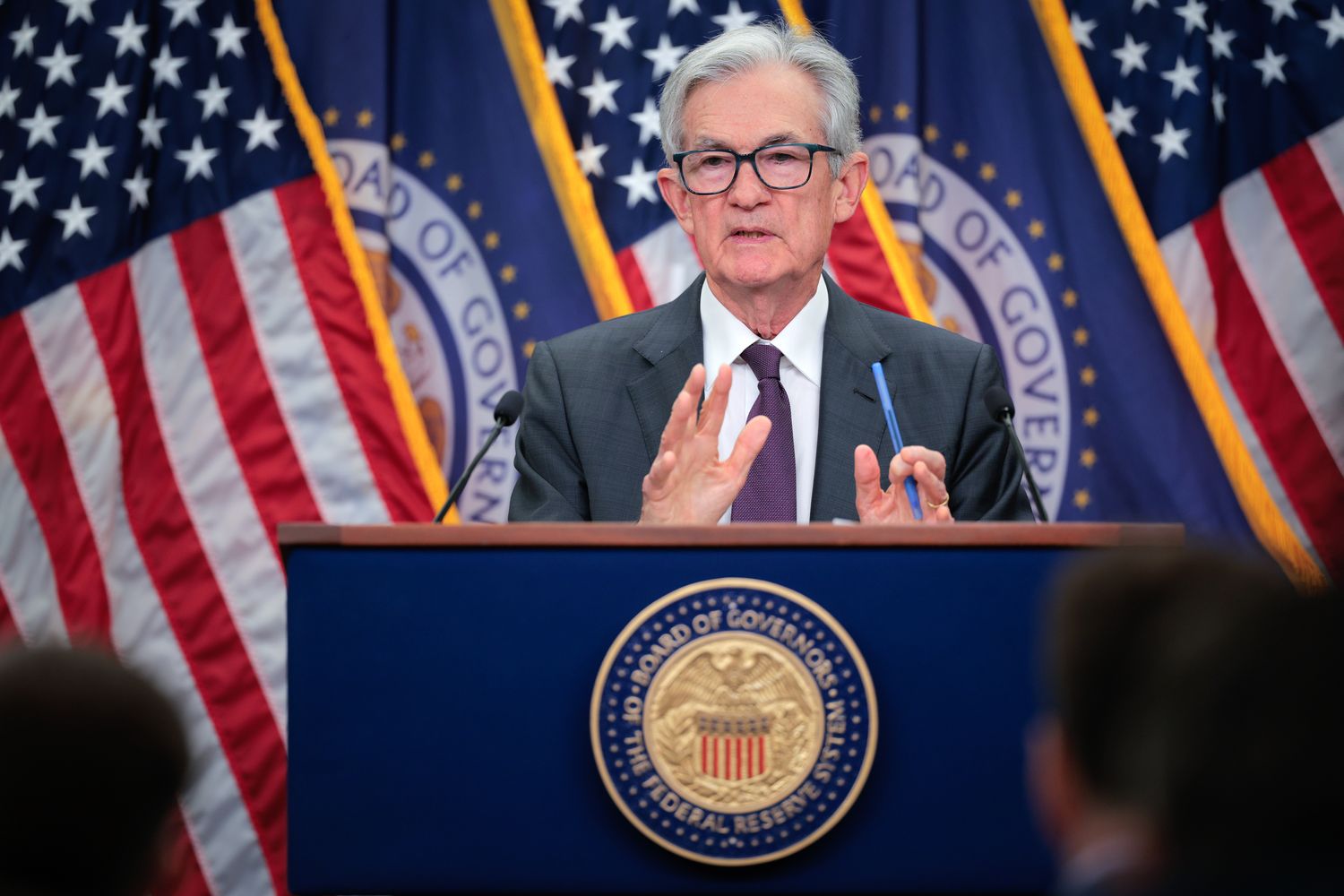
3 big takeaways from the Fed's March meeting
Business Insider· 2026-03-18 20:17
Core Insights - The Federal Reserve decided to maintain interest rates at its second meeting of 2026, with Chair Jerome Powell indicating a potential return to the committee after his term ends [1][10] - Inflation remains a significant concern, exacerbated by the ongoing US-Israel war on Iran, which has led to increased energy prices [2][3] - The job market is showing signs of instability, with a reported loss of 92,000 jobs in February, despite a historically low unemployment rate [7] Inflation and Economic Impact - The Fed is closely monitoring the effects of tariffs and geopolitical conflicts on inflation, which is currently above the 2% target [3][4] - Oil prices have surged past $100 per barrel, and gas prices are over $3 per gallon, contributing to inflationary pressures [3] - Powell noted that while tariffs are influencing the economy, a recent Supreme Court ruling could provide some relief [3] Employment Situation - The job market is characterized by low hiring and quitting rates, limited job vacancies, and declining labor force participation, which may persist if interest rates remain high [6] - Despite strong overall economic growth, the Fed's outlook on employment has shifted to a more cautious stance [7] - Productivity gains are viewed positively, although Powell mentioned that advancements in AI and data center supply may take time to meet demand [7][8] Future Outlook - Powell emphasized that any decision to cut rates would depend on observed progress in inflation and employment [6][11] - The Fed projects at least one rate cut this year, but no guarantees were made regarding timing [11] - Powell's potential return to the committee hinges on the confirmation of his successor, Kevin Warsh, amid ongoing investigations [9][10]

The Fed Is Unlikely to Make Moves Next Week, But There Could Still Be Drama
Investopedia· 2026-01-24 01:01
Core Viewpoint - The Federal Reserve is expected to maintain its key interest rate steady at its upcoming meeting, with ongoing discussions about the independence of the central bank from political pressures [1][9]. Interest Rate Expectations - Financial markets anticipate that the Federal Open Market Committee will keep the fed funds rate unchanged in the range of 3.5% to 3.75%, with a 97% probability of no change according to CME Group's FedWatch tool [2]. - Following three consecutive rate cuts, Fed officials show little interest in further reductions, opting to hold rates steady for several months to evaluate economic responses [3][11]. Economic Implications - The decision to keep rates unchanged is likely to influence market reactions regarding potential future rate cuts later in the year [4]. - Inflation has remained above the Fed's 2% target since 2021, and the job market is experiencing a slowdown, although recent data suggests improvements [5]. Political Pressures - President Trump has publicly pressured the Fed to lower interest rates and has initiated legal actions against Fed officials, which Powell has described as intimidation [7]. - The perception of the Fed's independence is crucial for its ability to control inflation, and political interference could undermine this perception [8]. Future Outlook - Economists expect the Fed to pause rate cuts and establish a higher threshold for future reductions, as the job market stabilizes and inflation approaches target levels [11].