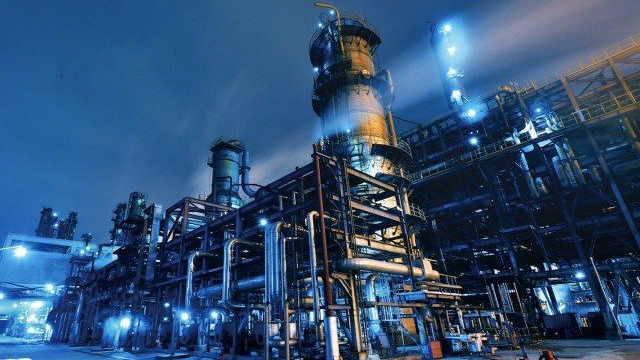
LNG-driven gas cycle

Search documents
What the LNG Wave Means for Gas Market Exposure in 2026
ZACKS· 2026-01-29 14:46
Core Insights - Global natural gas demand is projected to grow nearly 2% in 2026, driven by a new wave of liquefied natural gas (LNG) supply that is reshaping market dynamics [2][9] - North America is leading the LNG investment surge, with over 80 billion cubic meters (bcm) of U.S. capacity reaching final investment decisions in 2025, reinforcing its position as the world's largest LNG supplier [4][9] - The expansion of LNG supply is expected to enhance market liquidity and reduce long-term price pressures, although short-term price volatility may still occur due to external factors [3][7] LNG Market Dynamics - The International Energy Agency anticipates that global LNG supply will grow by 6.7% in 2025, with a further acceleration to over 7% in 2026, marking the fastest growth since 2019 [5] - LNG is increasingly linking gas markets globally, allowing for more flexible cargo movements and tighter price correlations between European and Asian markets [3] - Demand growth is expected to be primarily driven by China and emerging Asian markets, while European gas demand is forecasted to decline as renewables replace gas in power generation [6] Investment Opportunities - Companies such as Shell, Kinder Morgan, and ExxonMobil are positioned to benefit from the expanding LNG market, each playing a significant role in the LNG value chain [9][10] - Shell has a long-standing presence in the LNG industry, with about 40 million tons of equity capacity and operations across the entire LNG value chain [11][12] - Kinder Morgan focuses on reliability and logistics in its LNG business, with a vertically integrated model that includes liquefaction, storage, and delivery capabilities [13][14] - ExxonMobil has extensive LNG experience, producing nearly 25 million tons per year and engaging in key projects globally, including in Papua New Guinea and Australia [15][16]