Liquidity Mismatch

Search documents
State Street Private Credit ETF Struggles Despite Hype
Wealth Management· 2025-12-22 18:22
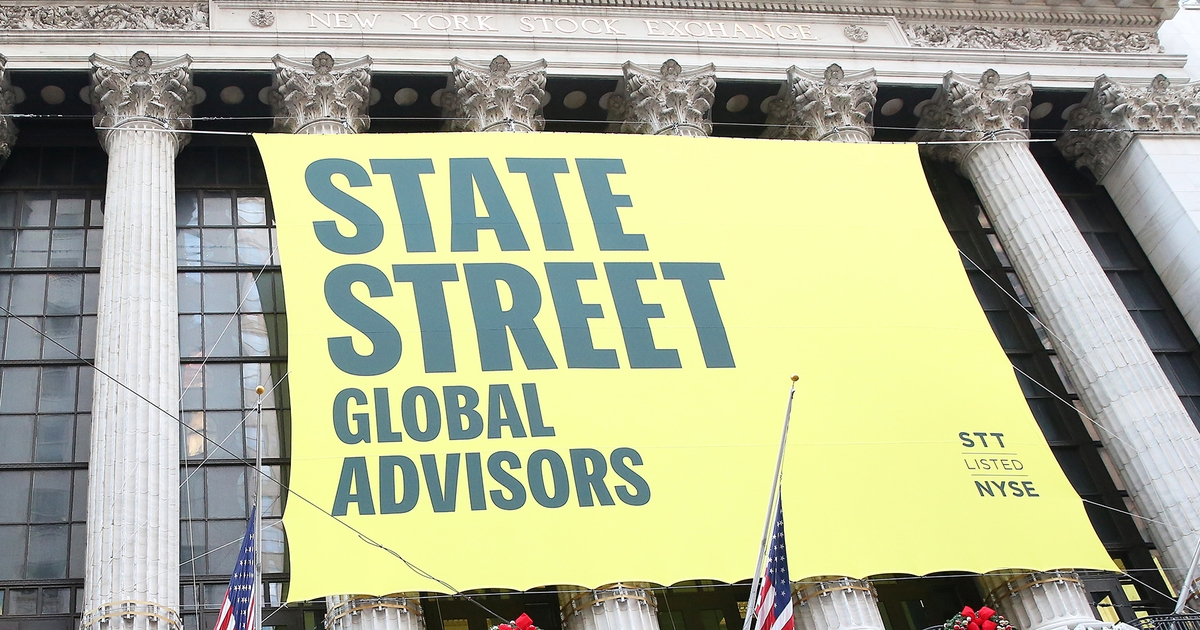
Core Insights - State Street Corp. launched a private credit exchange-traded fund (ETF) named PRIV in February, strategically timed ahead of an executive order promoting alternative investments [1] - The fund has faced scrutiny from the US Securities and Exchange Commission (SEC) and has struggled to attract significant investment, with only $45 million raised compared to the broader ETF industry's $1.5 trillion intake [2][4] - The fund's actual investment in private credit is limited, with documents indicating that such debt constitutes only 10% to 35% of the fund, while the majority is invested in publicly traded debt [2][7] Fund Performance and Market Challenges - Despite outperforming its bond-market benchmark with a return of over 5.6% since launch, the fund's appeal is hindered by high fees and a complex investment structure [4][9][10] - The private credit industry is facing intensified challenges, including fierce competition and public scrutiny, which have raised concerns about the suitability of illiquid assets for everyday investors [6] - The fund's liquidity mismatch poses a significant risk, as private loans are typically harder to sell quickly, leading to potential difficulties in returning funds during downturns [11][12] Regulatory Scrutiny and Industry Response - The SEC has raised concerns regarding the fund's liquidity risk management, prompting State Street to clarify that other broker-dealers can provide quotes for private debt [11] - In response to market challenges, State Street has launched a second ETF to invest in both public and private credit, indicating a commitment to expanding its offerings despite regulatory scrutiny [12] - The fund's structure and the nature of its holdings have sparked debate among analysts, with estimates of private credit assets varying significantly [6][13]


Jeffrey Gundlach says cracks forming in America's multitrillion-dollar private credit market
Fox Business· 2025-11-20 15:25
Core Viewpoint - Billionaire investor Jeffrey Gundlach warns that the private credit market in America is showing signs of distress, likening it to the unregulated CDO market before the 2008 financial crisis, describing it as "the Wild West" of finance [1][3]. Private Credit Market Overview - Private credit involves direct loans to companies from investors or funds, bypassing traditional banks, and has evolved into a multitrillion-dollar market [4]. - These funds aggregate capital from pension funds, insurance companies, and wealthy investors, offering loans that typically yield higher interest rates than conventional bonds or bank loans [4]. Market Conditions and Trends - Gundlach indicates that the private credit market is experiencing a shift from theoretical concerns to real challenges, with some firms likely to survive while others may face difficulties [2]. - The recent decision by Blue Owl Capital Corporation to abandon plans to merge its private credit funds reflects current market volatility, impacting stock prices of related entities [3]. Risks and Concerns - The private credit market is characterized by a lack of public market pricing, reduced regulation, and limited transparency and liquidity, which can pose risks during adverse market conditions [6]. - Gundlach highlights a specific case where a reputable firm marked bonds at 100 cents on the dollar, only to revise the valuation to zero a month later, illustrating the potential for drastic valuation changes [7]. - The illiquidity in private credit could exacerbate financial distress, similar to the liquidity squeeze seen during the 2008 crisis, where investors struggled to meet capital calls [8]. Market Dynamics - Gundlach emphasizes that in a fearful market, investors tend to shy away from illiquid assets, leading to a mismatch between large asset pools and liquidity needs during stressful times [9].