
Neutral Rate of Interest

Search documents
The Fed’s Big 2026 Debate: What’s a Normal Level for Rates?
Investopedia· 2026-02-07 01:00
Core Insights - The Federal Reserve's decision on interest rate cuts hinges on the uncertain "neutral rate," which is the level at which monetary policy neither restricts nor stimulates economic growth [2][7][12] - Current benchmark rates are between 3.5% to 3.75%, following multiple cuts, but there is disagreement among Fed officials on whether this rate is still restrictive or already near neutral [3][11][13] - Persistent inflation, global dynamics, and the impact of artificial intelligence complicate the estimation of the neutral rate, which has seen a median forecast increase from 2.5% in 2019 to 3.0% now [9][10] Interest Rate Dynamics - The Fed's cautious approach is influenced by how close current rates are to the neutral rate, affecting borrowing costs for consumers and investors [4][5] - Fed Chair Jerome Powell indicated that while rates are not significantly restrictive, the precise impact of current policy remains uncertain [5][6] - The debate among Fed officials includes varying definitions of neutral, with estimates ranging from 2.6% to 3.9%, leading to differing opinions on the appropriateness of current rates [11][12] Economic Context - The aging population and structural weaknesses in the economy have contributed to lower neutral interest rates historically [8] - Current inflation is around 3%, which may necessitate higher interest rates to counteract rising prices, while the effects of global supply chain changes and AI remain uncertain [9][10] - Fed officials express differing views on the economy's strength, with some advocating for maintaining a mildly restrictive stance while others suggest a need for less restrictiveness [13][14]

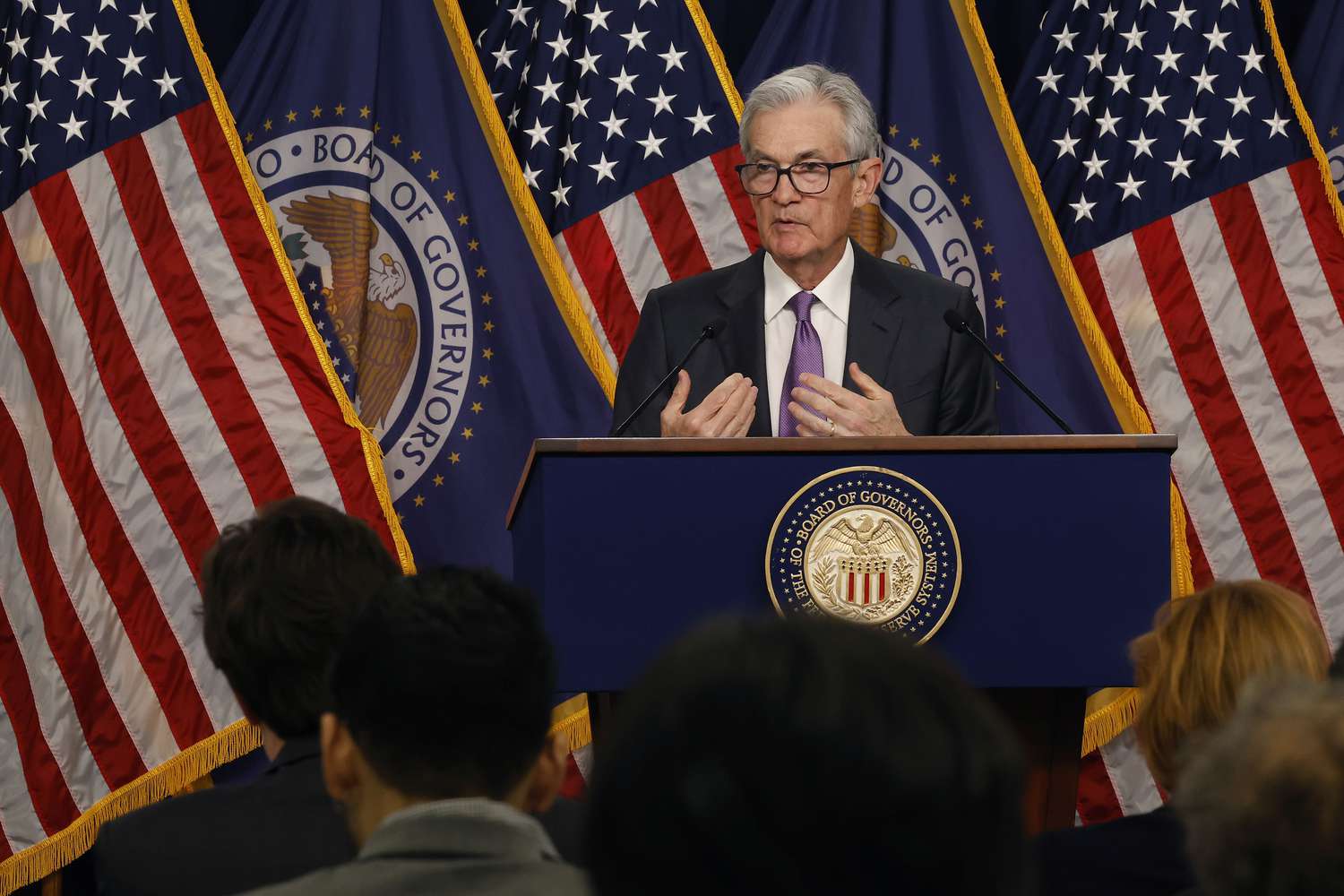
Will Interest Rates Fall More in 2026? Our Latest Forecast
Youtube· 2025-12-11 20:05
Core Viewpoint - Tension exists between the Federal Reserve's goals of controlling inflation and supporting the job market, leading to a cautious approach in interest rate decisions as inflation remains high and the job market shows signs of weakness [1] Interest Rate Decisions - The Federal Reserve cut interest rates by 0.25% as expected, but there were dissenting opinions within the committee, indicating differing views on the necessity of further cuts [2][4] - The Fed has cumulatively cut rates by 1.75 percentage points since September 2024, with current rates in the target range of 3.25% to 3.5%, still above pre-pandemic levels [5][19] - The Fed is expected to pause further cuts in January, with forecasts suggesting only one additional cut next year, contrasting with some analysts predicting two cuts [6][7] Economic Indicators - The natural rate of interest is believed to be closer to pre-pandemic levels, influenced by demographic trends and economic growth rates [9][20] - The housing market continues to weaken despite rate cuts, indicating potential need for further cuts to support this sector [10] - The lack of recent GDP data creates uncertainty in assessing the overall economic picture, with expectations for updates once Q3 data is available [11][12] Inflation and Tariff Policies - Factors that could lead to more aggressive rate cuts include a significant downturn in the AI sector, which has been a major contributor to GDP growth [12] - Tariff policies present a risk for inflation; if businesses pass on tariff costs to consumers, it could increase inflationary pressures, complicating the Fed's monetary policy [13][14] Neutral Interest Rate - The neutral interest rate is crucial for balancing full employment and inflation at the Fed's 2% target, with current rates slightly above the estimated neutral level of around 3% [15][19] - The neutral rate has trended down over decades, influenced by demographic changes and economic growth, suggesting that the Fed's long-term rate setting will align with this metric [21][22]
Trump's New Fed Governor Stephen Miran Calls For Aggressive Rate Cuts, Says 'Restrictive' Policy Creates 'Material Risks' To Employment - Invesco QQQ Trust, Series 1 (NASDAQ:QQQ), SPDR S&P 500 (ARCA:S
Benzinga· 2025-09-23 07:50
Core Viewpoint - Stephen Miran, a member of the Federal Reserve Board, advocates for aggressive interest rate cuts, arguing that the current monetary policy is "very restrictive" [1][2]. Interest Rate Perspective - Miran believes the appropriate federal funds rate should be in the "mid-2 percent area," which is nearly two percentage points lower than the current rate, warning that inaction could jeopardize the Fed's employment mandate [2][6]. - He asserts that the real neutral rate of interest is "near zero," indicating that current policies are tighter than they appear due to various nonmonetary factors [3][5]. Economic Landscape Changes - Miran highlights recent policy changes, particularly in U.S. border policy, which he claims have reduced population growth and exerted downward pressure on rent inflation and the neutral rate [4]. - He also points to new tax and trade policies, including increased tariff revenue, which he estimates are enhancing national savings and consequently lowering the neutral rate [5]. Employment and Inflation Debate - Miran frames the discussion as a choice between maintaining the Fed's credibility in fighting inflation and protecting American jobs, warning that keeping interest rates too tight could lead to unnecessary layoffs and higher unemployment [6].
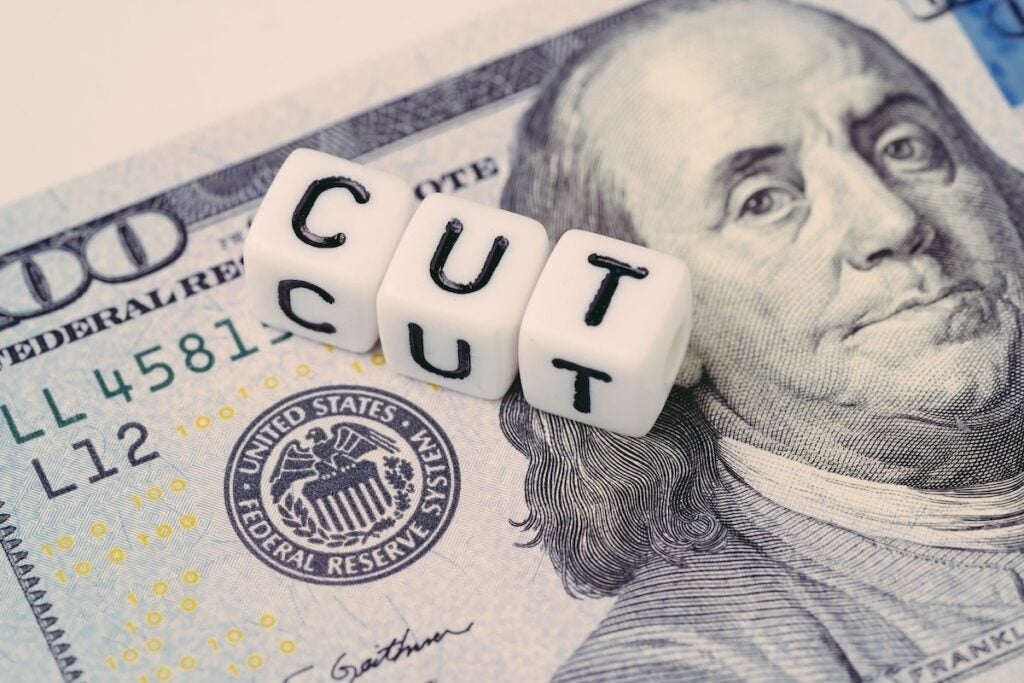
Fed’s Miran calls for slashing main interest rate to avert job loss
Yahoo Finance· 2025-09-22 16:19
Core Insights - Federal Reserve Governor Stephen Miran voted against a quarter-point reduction in the benchmark interest rate, advocating instead for a half-point cut to address potential unemployment issues [3][7] - Miran argues that the majority of Fed officials overestimate inflation risks, particularly regarding tariffs, which he believes have led to excessive concern over price pressures [3][7] - He predicts that tariff revenues could significantly reduce the federal budget deficit, potentially by over $380 billion annually in the next decade, which may ease upward pressure on interest rates [4] Monetary Policy Debate - The recent monetary policy discussions have highlighted differing views among Fed officials, with St. Louis Fed President Alberto Musalem expressing limited room for further easing without risking an overly accommodative policy [5][6] - Musalem supported the recent 25-basis-point rate cut as a precautionary measure to support the labor market, emphasizing the importance of controlling inflation, which may remain above the 2% target due to tariffs and labor supply issues [5][6] - Miran contends that the neutral rate of interest has likely decreased due to tariff revenues and tax policies, suggesting that current monetary policy is too restrictive and risks higher unemployment [7]
Miran defends low-rate view as colleagues caution on further cuts
Yahoo Finance· 2025-09-22 14:05
Core Viewpoint - New Federal Reserve Governor Stephen Miran believes the Fed is misjudging the tightness of its monetary policy, suggesting that aggressive rate cuts are necessary to protect the job market [1][4]. Group 1: Monetary Policy Assessment - Miran argues that the current benchmark interest rate of 4% to 4.25% is more restrictive than Fed officials realize, proposing a cut of perhaps two percentage points [3][4]. - He emphasizes that the Fed has not adequately accounted for the downward pressure on the neutral interest rate caused by recent immigration, tax, and regulatory changes [2][4]. Group 2: Diverging Opinions Among Fed Officials - St. Louis Fed President Alberto Musalem supports a cautious approach, indicating that the policy rate may already be close to neutral and expressing limited room for further easing [5][6]. - Musalem warns that overemphasizing the labor market could lead to negative consequences, advocating for a balanced approach to monetary policy [6].