Peer support

Search documents
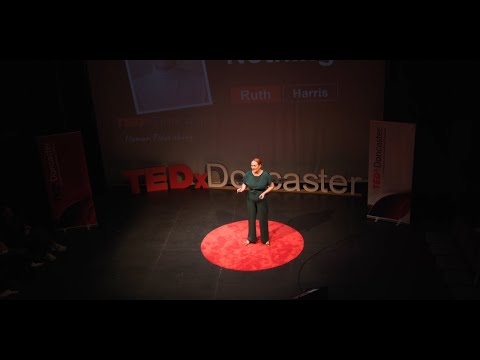
What if you had to become nothing to become everything? | Ruth Harris | TEDxDoncaster
TEDx Talks· 2025-10-16 15:22
Core Message - The core of the 12 steps is not self-removal but self-improvement, contrasting with the modern emphasis on building a personal brand and chasing titles [4][5] - True value lies in what one gives, and worth is measured by how quietly one serves, highlighting the radical nature of anonymity as an ego death [5] - Identifying with others, stripping away superficial identities, allows people to meet as equals, fostering human flourishing [7][8] Program & Impact - Alcoholics Anonymous and Narcotics Anonymous operate in over 180 countries, with over 2 million people accessing the 12 steps, demonstrating the program's global reach and impact [9] - The program welcomes anyone regardless of age, race, sexual identity, creed, or religion, focusing on helping with their problem [10] - Healing and flourishing enable individuals to help others, emphasizing the importance of peer-to-peer support [17] Daily Steps for Personal Growth - The speaker outlines 12 daily steps inspired by the program, including honesty, hope, surrender, courage, truth, willingness, humility, love, repair, reflection, stillness, and service [14][15][16] - These steps encourage individuals to admit they don't know, believe in change, let go of control, confront fears, share authentically, release habits, ask for help, show compassion, make amends, evaluate their day, practice silence, and seek opportunities to help others [14][15][16]

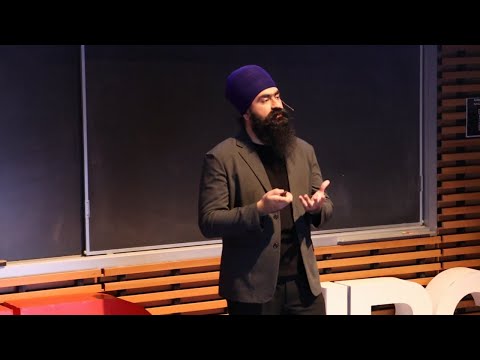
How lived experience builds healthier communities | Sandeep Singh | TEDxUBC
TEDx Talks· 2025-07-29 15:43
Toxic Drug Crisis Impact - The toxic drug crisis in British Columbia has claimed almost 15,000 lives since 2016 [1] - Unregulated drug toxicity is the leading cause of death for people in BC aged 10 to 59 [2] - A 2019 report indicated a 255% increase in overdoses among South Asians in the Fraser Health region, nearly a twofold increase compared to non-South Asians [4] Marginalized Communities - The crisis disproportionately impacts marginalized communities, particularly the South Asian community, due to systemic neglect [3] - Stigma and shame within the South Asian community hinder individuals from seeking help and sharing their stories [5] Fentanyl Crisis - Fentanyl, a highly potent synthetic opioid, is a major contributor to overdoses, accounting for almost 80% of overdoses across Canada [10][11] - Fentanyl addiction requires medication and extensive support beyond what individuals can typically access [13] Community Support & Intervention - Soda (Students Overcoming Substance Use Disorder and Addiction Society of Canada) is a grassroots nonprofit addressing the toxic drug crisis's impact on the South Asian community [15] - Soda provides harm reduction training in Punjabi, Hindi, and English, connecting individuals with mental health and substance use services [16] Recovery & Lived Experience - Pervinder Singh's story highlights the transformative power of community support in overcoming addiction and inspiring others [7][21] - Lived experiences, like Pervinder's, should be recognized as expertise and integrated into policy and program development for cultural sensitivity [29] Data & Policy Recommendations - Advocate for better, accurate, and disaggregated data on populations differentially impacted by the toxic drug crisis [29]