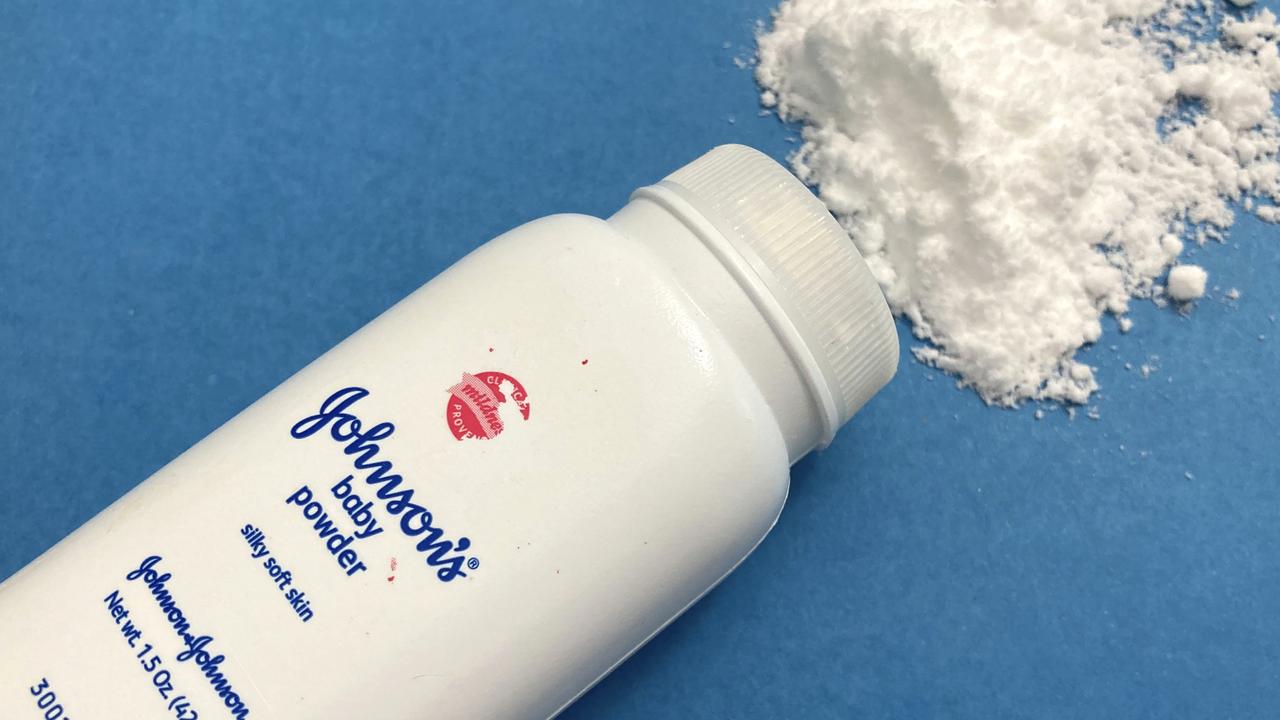
Product liability lawsuits

Search documents
Johnson & Johnson found liable for cancer in latest talc trial, ordered to pay $250K
New York Post· 2026-02-13 21:19
Core Viewpoint - A Pennsylvania jury awarded $250,000 to the family of Gayle Emerson, who alleged that Johnson & Johnson's talc-based baby powder caused her ovarian cancer, highlighting ongoing litigation against the company regarding the safety of its talc products [1][2]. Group 1: Legal Proceedings and Outcomes - The jury awarded $50,000 in compensatory damages and $200,000 in punitive damages to Emerson's family, indicating a legal victory for plaintiffs in the ongoing talc litigation against Johnson & Johnson [2][4]. - Johnson & Johnson is currently facing lawsuits from over 67,000 plaintiffs who claim that its talc-based products contained asbestos and caused various cancers, including ovarian cancer [5][9]. - The company has attempted to resolve litigation through bankruptcy, which has been rejected multiple times by federal courts, leading to a pause in many ovarian cancer cases [7]. Group 2: Product Safety and Company Response - Johnson & Johnson maintains that its talc-based products are safe, do not contain asbestos, and do not cause cancer, having ceased the sale of talc-based baby powder in the U.S. in 2020 in favor of a cornstarch alternative [6][11]. - Prior to bankruptcy attempts, Johnson & Johnson had a mixed record in talc trials, with verdicts reaching as high as $4.69 billion, although the company has also won some trials and had other verdicts reduced on appeal [12]. Group 3: Future Litigation and Expert Testimony - Several cases are scheduled for trial in state courts in the coming months, with a potential shift in federal court proceedings as a magistrate judge ruled that plaintiffs can present expert testimony linking baby powder use to ovarian cancer [8].


Pennsylvania jury finds Johnson & Johnson liable for cancer in latest talc trial
Reuters· 2026-02-13 19:43
Pennsylvania jury finds Johnson & Johnson liable for cancer in latest talc trial | ReutersSkip to main content[Exclusive news, data and analytics for financial market professionalsLearn more aboutRefinitiv]A Johnson & Johnson banner is displayed on the front of the New York Stock Exchange (NYSE) in New York City, in New York City, U.S., December 5, 2023. REUTERS/Brendan McDermid [Purchase Licensing Rights, opens new tab]- Companies- Summary- Trial was second over ovarian cancer since J&J's latest bankruptcy ...
Judge allows testimony of talc’s link to cancer
Michael West· 2026-01-21 02:44
Core Viewpoint - A US federal judge has allowed expert testimony linking Johnson & Johnson's talc products to ovarian cancer, advancing the litigation involving over 67,500 lawsuits towards a potential trial later this year [1][2]. Group 1: Legal Proceedings - The litigation against Johnson & Johnson (J&J) includes more than 67,500 consolidated lawsuits in federal court in New Jersey, with the first trial potentially occurring later this year [2]. - The ruling by Judge Michael Shipp allows for expert testimony that could establish a link between J&J's talc products and alleged health risks, which is crucial for product liability cases [2][4]. - J&J has faced mixed outcomes in state courts, with some verdicts reaching as high as $4.69 billion awarded to 22 women claiming their ovarian cancer was caused by baby powder [9]. Group 2: Company Actions and Responses - J&J ceased the sale of talc-based baby powder in the US in 2020, transitioning to a cornstarch-based product [4][5]. - The company has consistently maintained that its products are safe and do not cause cancer, despite ongoing litigation and expert testimonies suggesting otherwise [5][6]. - J&J attempted to resolve the litigation through bankruptcy, a strategy that has been rejected multiple times by federal courts [7][8]. Group 3: Scientific Evidence and Expert Testimony - The evaluation of expert testimony is a significant aspect of the litigation, with retired Judge Freda Wolfson previously allowing plaintiffs' experts to testify about potential contamination of talc with asbestos and heavy metals [6][5]. - Recent changes to federal rules regarding expert testimony and new scientific evidence prompted Judge Shipp to re-evaluate the admissibility of expert testimony in the ongoing cases [7]. - J&J has also engaged in legal actions against scientists whose research supports the plaintiffs, alleging falsification of results [8].