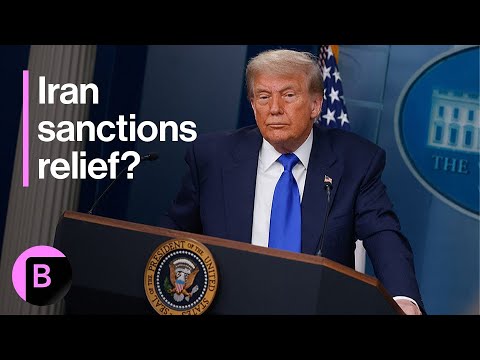
Sanctions Relief

Search documents
As the Iran war upends energy flows, Russia is emerging as the real winner
CNBC· 2026-03-10 09:17
Core Viewpoint - Russia is poised to benefit significantly from the ongoing conflict between the U.S.-Israel and Iran, as rising oil prices and temporary sanctions relief enhance the value and volume of its crude exports [1][2]. Oil Price Impact - The Middle East conflict has led to a sharp increase in global oil prices, with prices exceeding $100 per barrel due to concerns over potential supply disruptions in the Strait of Hormuz, a critical energy corridor [2][3]. - Oil prices have risen approximately 27% compared to pre-war levels, despite a recent 7% drop following indications that the conflict may soon de-escalate [3]. Revenue Generation for Russia - The price surge directly benefits Russia, which remains a major oil exporter despite Western sanctions, translating into increased state revenues [4]. - Analysts indicate that Russia has already seen significant financial gains from the crisis, particularly due to a temporary waiver allowing India to continue purchasing Russian crude [4][6]. Sales and Volume Increase - Russian crude is reportedly being sold at around $90 per barrel, a substantial increase from approximately $50 prior to the Iran conflict, indicating a rise in both price and sales volume [5][6]. - Data from Kpler shows a decrease in Russian crude held on tankers, dropping from 132.9 million barrels to 118.3 million barrels, suggesting improved movement of cargoes to buyers [7]. Future Revenue Potential - If the crisis continues to limit Gulf exports, Russia could potentially generate tens of billions of dollars in additional state revenue as elevated oil and gas prices persist [7]. - The easing of sanctions and increased buying from India are expected to provide a short-term financial boost to Moscow [6][11]. Broader Energy Market Implications - Beyond crude oil, there is potential for increased imports of Russian liquefied natural gas by Europe, as current European sanctions do not apply to these shipments until a planned phase-out in 2027 [10]. - However, Russia's ability to fully capitalize on the situation is limited by years of sanctions and damage to its energy infrastructure, which restricts production and export capabilities [11].

X @Bloomberg
Bloomberg· 2026-02-06 16:38
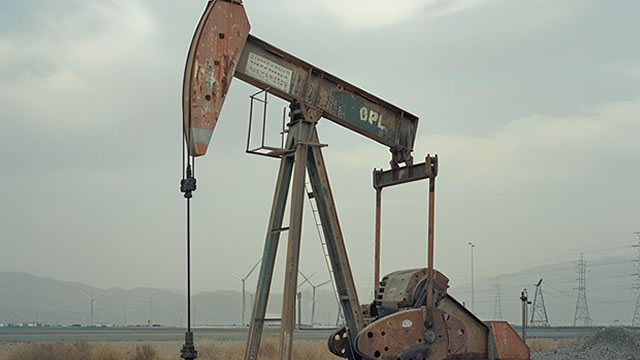
Venezuela’s imports of naphtha, a key feedstock for oil production, are ramping up as the US readies sanctions relief that would allow oil drillers and service companies to restart activities in the country https://t.co/JPGUdGS0yc ...
Trump Eyes Iran Nuclear Deal With Talks Planned
Bloomberg Television· 2026-02-03 06:33
Looks like the talks actually are going ahead this week. What do we know about them. Yeah, well, we don't know who's showing up.Number one, we think it might be Witkoff. We think it might be the Iranian foreign minister, but we don't know where and we don't know when. And nor do we know really what's on the agenda beyond nuclear. We do know what's happening. What's what is nuclear exactly.Is that nuclear weapons. Is that nuclear enrichment. Is that the highly enriched uranium stockpiles that they have with ...
Syria's Al-Sharaa Meets Trump, Wins More Sanctions Relief
Bloomberg Television· 2025-11-11 06:33
Ahmed al-Sharaa has met with U.S. President Donald Trump at the White House. The Syrian leader pledged to join a US led coalition to defeat the Islamic State. U.S. Secretary of State Marco Rubio has also suspended comprehensive sanctions on Syria for 180 days.Trump described al-Shara as a tough leader while hinting at further announcements could be coming soon. You can expect some announcements on Syria. We want to see Syria become a country that's very successful and I think this leader can do it.I really ...

Trump Suggests He Might Back Sanctions Relief for Iran
Bloomberg Television· 2025-06-30 05:28
Geopolitical Landscape & Nuclear Ambitions - The US desires Iran to completely cease uranium enrichment, a stance previously articulated by Trump [1] - Tehran likely perceives an existential threat, potentially maintaining nuclear leverage despite risks of further strikes [2] - Despite strong rhetoric, signals suggest Iran may be willing to negotiate, with internal debates ongoing regarding the regime's survival post-strikes [3] - IAEA director Grossi indicated Iran could re-enrich uranium within months, raising concerns for the US and Israel [4] - Iran hinted that its stockpile of highly enriched uranium was moved before the attacks [5] Potential for Conflict & Truce - The conditions that precipitated the conflict remain, indicating the potential for renewed escalation [6] - The truce is holding, with a potential reignition of attacks being less likely due to Trump's firm stance [7]