Section 230

Search documents
New Mexico AG Torrez: Jury sent message to entire tech industry on child safety
Yahoo Finance· 2026-03-25 15:26
Quick Read Meta (META) faced a $375M verdict in New Mexico for misleading consumers about platform safety, marking the first state victory against a major tech company on child safety grounds and the first case to overcome Section 230 legal defenses. This verdict threatens to establish legal precedent that could expose Meta and the entire social media industry to waves of similar state-level litigation if the decision survives appeal. Have You read The New Report Shaking Up Retirement Plans? American ...

MoffettNathanson's Daniel Nathanson shares his take on Meta testifying in social media case
Youtube· 2026-02-18 20:03
Core Viewpoint - The ongoing legal and regulatory challenges facing social media companies, particularly regarding Section 230, may not lead to significant changes in their business models unless there is substantial federal intervention [3][4]. Group 1: Impact on Social Media Companies - The tragic nature of cases related to social media's impact on individuals raises questions about potential changes in company operations and societal effects, but skepticism remains regarding actual changes [2][3]. - Social media companies have historically managed to absorb fines and penalties without significant impact on their profitability, indicating strong business models that may not be easily disrupted [4]. - Countries like Spain are attempting to impose restrictions on social media usage for children, reflecting a growing trend of regulatory scrutiny beyond the United States [4][5]. Group 2: Global Regulatory Landscape - The U.S. may face challenges in maintaining its influence over global digital markets as other countries, including those in the EU and Latin America, begin to establish their own regulations that could hinder the monetization efforts of major tech platforms [6]. - Snap has reported slower user growth due to regulatory actions in various markets, highlighting the potential for international regulations to affect user engagement and platform viability [6].


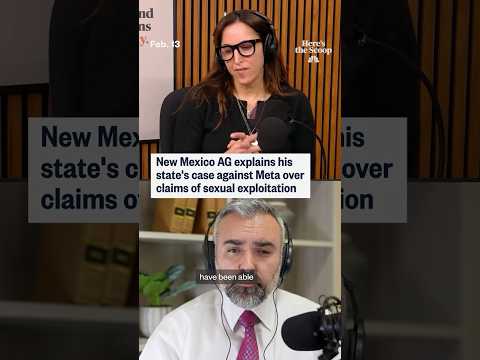
New Mexico AG explains his state's case against Meta over claims of sexual exploitation
NBC News· 2026-02-14 00:36
So the way in which a lot of these media platforms, these social media platforms have been able to keep their hands clean of all of this is oftentimes they cite section 230 which is this US law that protects online platforms from liability um for third party content. But your complaint just so we are all clear is not necessarily just about the content. It is really about kind of the algorithm the design itself of the platforms.>> That's right. In many respects, um, this is a products liability case, right. ...
'Can't Look Away' Filmmakers on Harm From Social Media
Bloomberg Television· 2025-11-05 22:18
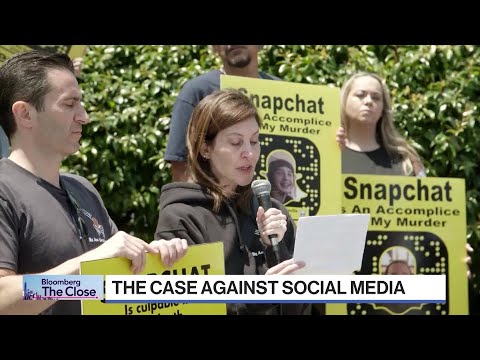
As we work through those numbers on SNAP and talk about social media, some of those social media companies need to prepare themselves. Thousands of plaintiffs complaints out there, millions of pages of internal documentation and transcripts of countless hours of deposition set to land in U.S. courtrooms that could threaten the future of the business model for some of those social media companies. That is the focus of a new documentary released on October 30th called Can't Look Away The Case Against Social M ...
Supreme Court Rejects Bid to Sue Meta Over Church Shooting
MINT· 2025-10-06 13:59
Core Viewpoint - The US Supreme Court declined to allow lawsuits against social media companies for content recommended by their algorithms, specifically rejecting an appeal related to Meta Platforms Inc.'s Facebook and its role in radicalizing a man involved in a mass shooting [1][2]. Group 1: Legal Context - The lawsuit was initiated by the daughter of Reverend Clementa Pinckney, one of the nine victims of the 2015 Charleston church shooting, and was previously dismissed by two lower courts [2]. - The appeal challenged Section 230, a law from 1996 that provides immunity to social media platforms from being sued for user-generated content [2][3]. Group 2: Algorithmic Responsibility - The plaintiff, known as M.P., argued that Facebook's algorithms connected the shooter with extremist communities based on his internet history, thereby exacerbating his radical views [3]. - Meta Platforms Inc. has denied any wrongdoing in relation to the claims made in the lawsuit [3]. Group 3: Political Reactions - Section 230 has faced criticism from both political sides; some liberals argue it allows platforms to overlook hate speech, while conservatives claim it protects platforms that censor right-wing voices [3][4]. - Following the 2020 election, tech companies have shown increased willingness to engage with conservative viewpoints, as evidenced by Alphabet Inc.'s Google settling a $24.5 million lawsuit with former President Trump over his YouTube suspension [4]. Group 4: Supreme Court's Position - In 2023, the Supreme Court considered limiting Section 230 immunity in cases involving terrorist content but ultimately chose to avoid addressing the issue while narrowing the application of a federal anti-terrorism law [5].


Jason Calacanis: Disclose your algorithm or lose Section 230 protections
All-In Podcast· 2025-09-24 17:27
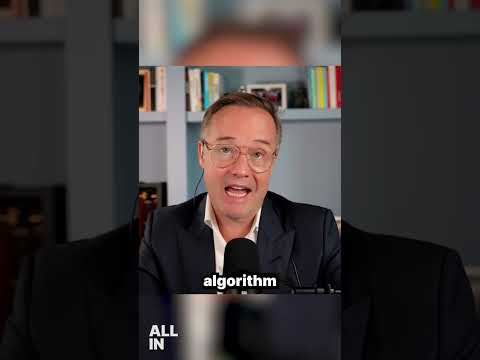
Algorithms must be disclosed and you must have the option given to you upfront to switch your algorithm. There should be a B ya, bring your own algorithm. There should be an algorithm store.If you could say, I want one that just gives me a chronological feat. I want one that is from the highest quality sources. And then you should be required to show what the default algorithm is doing.And if you don't do that, I think you should lose your section 230 because an algorithm is more powerful than an editor at ...
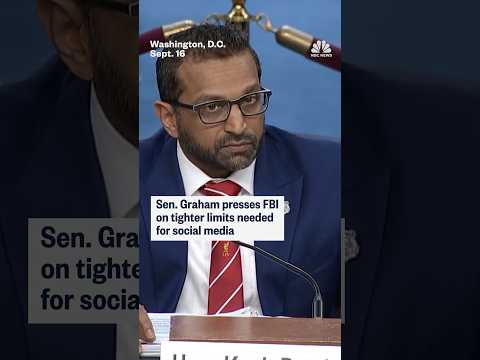
Sen. Graham presses FBI on tighter limits needed for social media
NBC News· 2025-09-16 16:13
Free speech doesn't allow you to go online and broom a child for sexual >> No, it does not. >> Okay. Free speech doesn't allow you to go on the internet and basically incite somebody to kill another person, right.>> Absolutely not. >> So, if it's illegal offline, it should be illegal online. Agreed.Whatever the law is. >> Yes, sir. >> Just because you're online doesn't give you a get out of jail free card.>> No, sir. So if a parent is worried about a child being bullied on a website, what rights do they hav ...