Tariff reduction

Search documents
Sportswear brand On sees possible boost from lower US tariff rate
Yahoo Finance· 2026-03-03 10:17
Core Viewpoint - On Holding anticipates a potential boost from lower U.S. tariff rates following the Supreme Court's decision to strike down emergency levies, as indicated by CEO Martin Hoffmann during the announcement of strong quarterly results [1]. Group 1: Financial Performance - The company reported a 22.6% increase in fourth-quarter sales, reaching 743.8 million Swiss francs ($949.69 million), surpassing analysts' expectations of 724.3 million francs [4]. - Quarterly adjusted earnings before interest, taxes, depreciation, and amortization rose by 31.8% to 131 million francs [6]. - The company forecasts at least 23% sales growth in 2026 on a constant-currency basis, a moderation from the 30% growth reported in 2025, but still outpacing competitors like Nike and Adidas [2]. Group 2: Market Position and Strategy - On Holding's focus on affluent consumers has been beneficial, contrasting with brands targeting lower-income shoppers that have struggled in a polarized economy [5]. - The company plans to open 10 to 15 new stores this year, leveraging a strong product pipeline and innovation to build global momentum [5]. - The annual profit margin is expected to increase to at least 63% from 62.8% in 2025, with the current outlook not accounting for potential lower U.S. tariff rates [2][3]. Group 3: Tariff Impact - The U.S. has implemented a temporary new 10% blanket tariff on imports, with plans to increase it to 15%, which remains lower than the additional 20% duty imposed last year on key sourcing countries [3]. - On Holding has filed for tariff refunds, with any proceeds intended for reinvestment in the business rather than being passed on to consumers [4].
President Trump Plans to Roll Back Tariffs on Steel and Aluminum. 2 Stocks That Could Pop as a Result.
Yahoo Finance· 2026-02-24 19:55
Group 1: Tariff Changes - President Trump is considering rolling back tariffs on imported steel and aluminum products, which were raised from 25% to 50% last June under Section 232 of the Trade Expansion Act of 1962 [1] - The potential reduction in tariffs could specifically benefit consumer-oriented products such as aluminum cans and steel appliances [2] Group 2: Impact on Coca-Cola - Coca-Cola operates a capital-light model, relying on independent bottlers for production and distribution, which allows for high gross margins and cash generation for dividends [3] - Although Coca-Cola is not directly affected by aluminum tariffs, its bottlers face higher costs, which could lead to increased wholesale prices and reduced marketing investments [4] - If tariffs remain, Coca-Cola's global sales may slow, and margins could decline, prompting the company to encourage bottlers to shift to PET bottles, which could also impact near-term margins [5] Group 3: Impact on Constellation Brands - Constellation Brands, a major producer of beers, spirits, and wines, generates most of its revenue in the U.S. and imports key beer brands from Mexico [6] - Nearly 40% of Constellation's beer shipments from Mexico are in aluminum cans, and higher tariffs necessitate price increases, which are challenging due to declining beer consumption among younger consumers [7] - A reduction in aluminum tariffs would alleviate one of Constellation's significant challenges and enhance the attractiveness of its stock [7]


Vita Coco Stock Will Bounce Back From Earnings Slump. Here's Why.
Barrons· 2026-02-18 19:25
Group 1 - The company's margins are being boosted by lower tariffs and higher prices [1]


If Trump Lowers Steel Tariffs, Is Nucor Still a Buy?
247Wallst· 2026-02-13 15:32
Core Viewpoint - Nucor has experienced significant stock gains due to steel tariffs, but potential reductions in these tariffs by the Trump administration could impact its future performance and competitiveness in the market [1]. Group 1: Nucor's Performance - Nucor's stock has increased by 41% over the past 12 months and 16% year-to-date in 2026, benefiting from tariffs that have reached up to 50% [1]. - The company has maintained 210 consecutive quarterly dividend payments and has a strong cash position of $5 billion, supporting buybacks and expansion efforts [1]. Group 2: Tariff Changes - Trump is considering scaling back tariffs on steel and aluminum, which could include exemptions for certain products and a pause on expanding tariff lists [1]. - The rationale for these changes includes rising consumer prices and political pressures ahead of midterm elections, with 59% of Americans disapproving of Trump's handling of rising costs [1]. Group 3: Implications for the Steel Industry - Lower tariffs may expose U.S. steel producers to increased competition from imports, potentially affecting prices and profit margins [1]. - Steel imports saw a decline of 12.2% in 2025, with expectations of continued decreases into early 2026 [1]. - Despite potential challenges, demand from sectors like data centers and infrastructure projects may provide some support for the steel market [1]. Group 4: Investor Sentiment - Warren Buffett's recent purchase of 6.6 million shares of Nucor for approximately $850 million reflects confidence in the company's fundamentals, despite potential short-term uncertainties due to tariff changes [1]. - Nucor's efficient production methods and focus on high-margin areas, including green steel initiatives, position it favorably for long-term growth [1].

Trump Could Reduce Steel And Aluminum Tariffs And These Stocks Are Responding
Investors· 2026-02-13 13:43
Core Viewpoint - President Donald Trump is considering reducing tariffs on aluminum and steel, which has led to a positive response in industry stocks [1] Industry Impact - The potential reduction of tariffs could significantly affect the aluminum and steel industries, leading to increased competitiveness and profitability for companies within these sectors [1]

US, India reach interim trade deal lowering tariffs on both countries' goods and agricultural products
Fox Business· 2026-02-07 01:46
Core Viewpoint - The U.S. and India have established an interim trade deal aimed at reducing tariffs and enhancing trade relations, marking a significant step in their partnership [1][2]. Group 1: Trade Agreement Details - The interim agreement will lead to the elimination or reduction of tariffs on all U.S. industrial goods and various agricultural products from India, including animal feed, tree nuts, and fruit [5]. - In return, the U.S. will impose a reciprocal tariff rate of 18% on Indian goods such as textiles, leather, plastics, and certain machinery [6]. - The U.S. will also remove tariffs on additional products, including generic pharmaceuticals and aircraft parts, following the successful conclusion of the agreement [8]. Group 2: Economic Impact - India plans to purchase $500 billion worth of U.S. energy products, aircraft, precious metals, technology products, and coking coal over the next five years [10]. - The agreement is expected to create new opportunities for farmers and entrepreneurs in both countries, reflecting the deepening economic ties between the U.S. and India [2].

Indian ETFs Set to Soar After US Pledges to Cut Tariffs to 18%
ZACKS· 2026-02-03 15:21
Core Insights - The U.S. has reduced reciprocal tariffs on Indian goods from 50% to 18%, leading to a significant market rally in India [1][10] - The trade deal is expected to act as a major growth catalyst for Indian ETFs, alleviating the "tariff overhang" that previously caused foreign investors to withdraw nearly $12 billion from India [2] New Tariff Framework & Key Beneficiaries - The new tariff framework includes a reduction of punitive tariffs on Indian goods, with India committing to invest $500 billion in U.S. sectors by 2030 and phasing out Russian oil imports [4] - High-export industries such as IT Services, Textiles & Apparel, Pharmaceuticals & Chemicals, and Automotive & Engineering are poised to benefit from the tariff reduction [5][6] Impact on Indian Companies - Key beneficiaries listed include Reliance Industries, Infosys, Cipla, and Larsen & Toubro, which are expected to see improved margins and export opportunities due to the tariff cut [7] Market Outlook - The outlook for Indian equities has shifted to "bullish," with projections indicating that India's GDP will grow slightly below 7% annually over the next three years [9] - Analysts expect the Nifty 50 index to reach 30,000 by the end of 2026, representing a potential 15% upside from last November's levels [11] Indian ETFs to Gain - iShares MSCI India ETF (INDA) has net assets of $9.21 billion and has gained 3% following the trade deal announcement [12][13] - WisdomTree India Earnings Fund (EPI) has total assets of $2.61 billion and has also risen 3% post-announcement [14] - iShares India 50 ETF (INDY) with total assets of $621.1 million has rallied 2.8% following the deal [15] - Franklin FTSE India ETF (FLIN) has total assets of $2.82 billion and has increased by 2.6% after the announcement [16]
China lowers import tariffs on Scotch whisky
Yahoo Finance· 2026-01-30 14:09
China has agreed to reduce import tariffs on UK whiskies, including Scotch, following visit from the UK Prime Minister Keir Starmer to Beijing this week. A statement today (30 January) the Chinese Ministry of Commerce said "a provisional import tariff rate of 5% will be applied to whisky" as of Monday (2 February). A press release from the UK government said tariffs were being reduced on Scotch from 10 to 5%. Just Drinks understands however a tariff reduction is being applied by China to all whiskies p ...
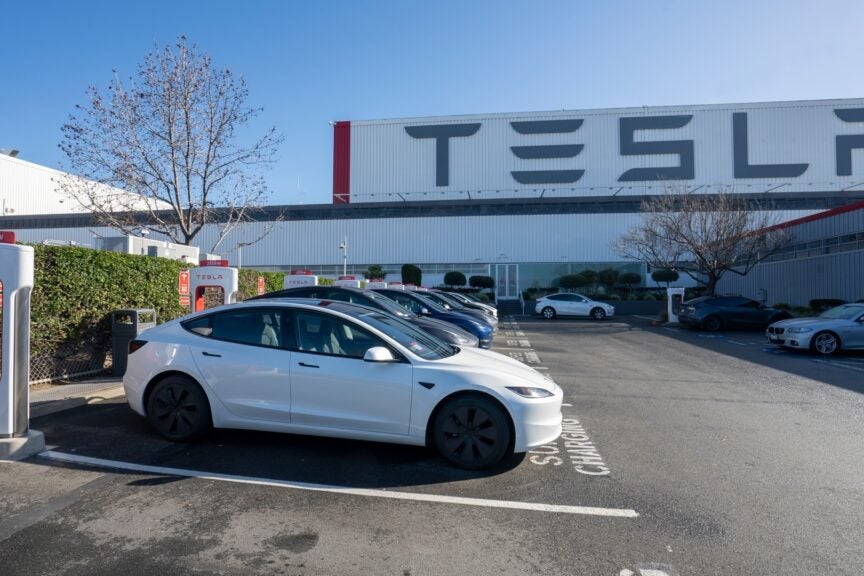
India To Slash Tariffs On EU Car Imports To 40%: How This Move Could Affect Elon Musk's Tesla, Stellantis - Tesla (NASDAQ:TSLA)
Benzinga· 2026-01-26 08:05
Group 1 - The Indian government has reached an agreement with the EU to reduce tariffs on cars imported from the bloc from 110% to 40%, with further reductions expected over time [1][2] - The immediate tariff reduction applies to cars with an import price of around 15,000 Euros (approximately $17,700), potentially benefiting up to 200,000 vehicles [3] - The agreement is expected to positively impact companies like Tesla and Stellantis, as reduced tariffs could enhance their market presence in India [4][6] Group 2 - Tesla may supply vehicles to the Indian market from its Gigafactory in Berlin to take advantage of lower tariffs, as current imports come from Shanghai [5] - Stellantis, which includes brands like Jeep and Citroen, could expand its portfolio in India due to the reduced tariffs, despite local manufacturing challenges [6] - The U.S. has not reached a similar tariff agreement with India, maintaining a 50% tariff, which contrasts with the EU-India deal [7]


Wall Street Breakfast Podcast: Brewing U.S. Relief
Seeking Alpha· 2025-11-21 12:09
Group 1: Agricultural Tariffs - President Trump has signed an order to lift 40% tariffs on certain agricultural products from Brazil, including coffee, beef, fruits, and cocoa, to address rising food prices in the U.S. [3][4] - The order applies to Brazilian imports to the U.S. on or after November 13 and may require refunds of duties already collected [4]. - Brazil has faced 50% tariffs for months, which were raised by Trump to penalize Brazil for prosecuting his ally, former president Jair Bolsonaro [5]. Group 2: Joby Aviation vs. Archer Aviation - Joby Aviation has filed a lawsuit against Archer Aviation, alleging corporate espionage involving the theft of confidential information by a former employee who joined Archer [6][8]. - Joby claims that the former employee exfiltrated valuable files just before resigning, and Archer approached Joby's strategic partner with detailed knowledge of their agreement [8]. - Archer's chief legal officer has called Joby's allegations "without merit," stating that the complaint lacks specific trade secrets or evidence of misappropriation [9]. Group 3: PepsiCo's New Product Launch - PepsiCo is set to launch Pepsi Prebiotic Cola, initially as an online exclusive for Black Friday, with a broader rollout planned for 2026 [9][11]. - The new beverage will contain 3 grams of prebiotic fiber, 5 grams of cane sugar, and 30 calories per 12-ounce can, with no artificial sweeteners [11]. - This launch follows PepsiCo's $1.95 billion acquisition of Poppi, an independent prebiotic soda company, reflecting the company's strategy to market lower-sugar, clean-label alternatives [10][11].